cookie preferences
Sharing your cookies helps us enhance site functionality and optimize your browsing experience.
Click here to read our Cookie Policy. Manage Settings

Insights and guides for Fire & EMS professionals, from getting ready for the call to reaching beyond it.
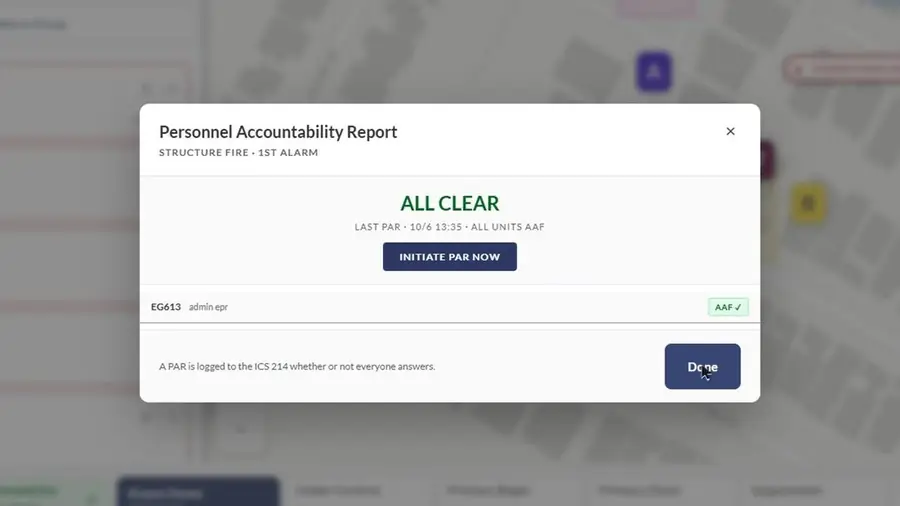
How tags, passports and accountability boards work, who runs accountability, when to call a PAR, and what a digital PAR changes on scene.
How tags, passports and accountability boards work, who runs accountability, when to call a PAR, and what a digital PAR changes on scene.
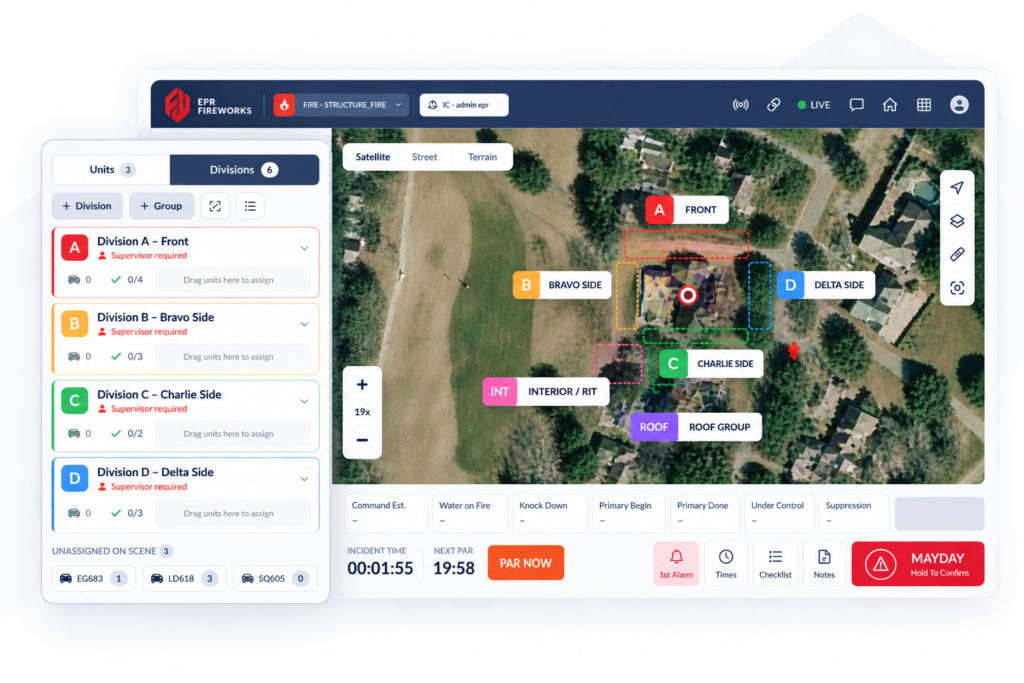
Whiteboard or digital incident command board? Compare arrival, PAR, Mayday, transfer of command and the report, and see what a connected board changes.
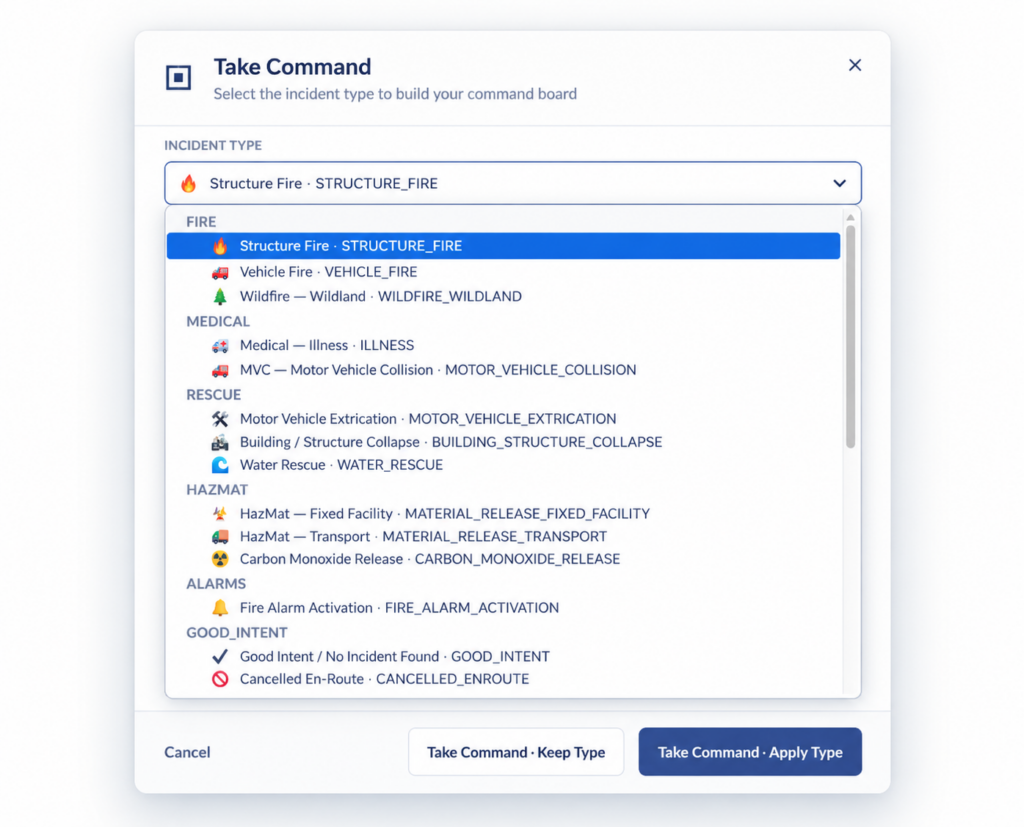
The incident command system for fire departments: ICS structure, fireground roles, span of control, transfer of command and the ICS 201 and 214 forms.
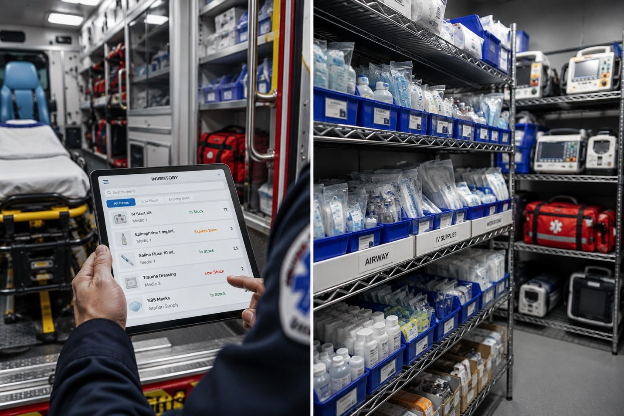
A missing IV kit or expired medication does not always show up on anyone’s radar until a crew needs it. That is the real cost of weak EMS inventory management. It
A Plain-Language Guide to EMS Software, ePCR, Scheduling, Dispatch and Why Every Modern Agency Should Be Using It Ready to simplify patient care documentation and improve operational visibility? Learn how EPR Firewor...
Ready to modernize your department's technology? Discover how EPR Fireworks connects incident reporting, ePCR, inspections, training, analytics, and NERIS-ready reporting in one configurable Fire and EMS Records Manag...
Looking for software that fits your department, not the other way around? EPR Fireworks helps volunteer, combination, and career fire departments simplify reporting, streamline operations, and prepare for NERIS with o...
How Records, Reporting, Analytics, and AI Are Transforming Modern Fire and EMS Operations Ready to simplify reporting and turn your department’s data into actionable insight? Read the blog to earn how EPR Fireworks ca...
Short Answer: AI is transforming fire department operations by streamlining documentation, improving data quality, supporting NERIS reporting, and helping leaders make faster, more informed operational decisions. When...
The Short Answer: Yes, But Not the Way You Think: AI isn't making fire departments faster by replacing dispatchers; it's helping them make smarter operational decisions. Learn how modern analytics, NERIS, and AI are h...
What to look for in a records management system, the questions to ask vendors, and how to compare your options side by side.
Key Takeaways Fire records management systems transform years of incident data into strategic insights that improve fire prevention, compliance reporting, and long-term planning. Historical incident patterns reveal...
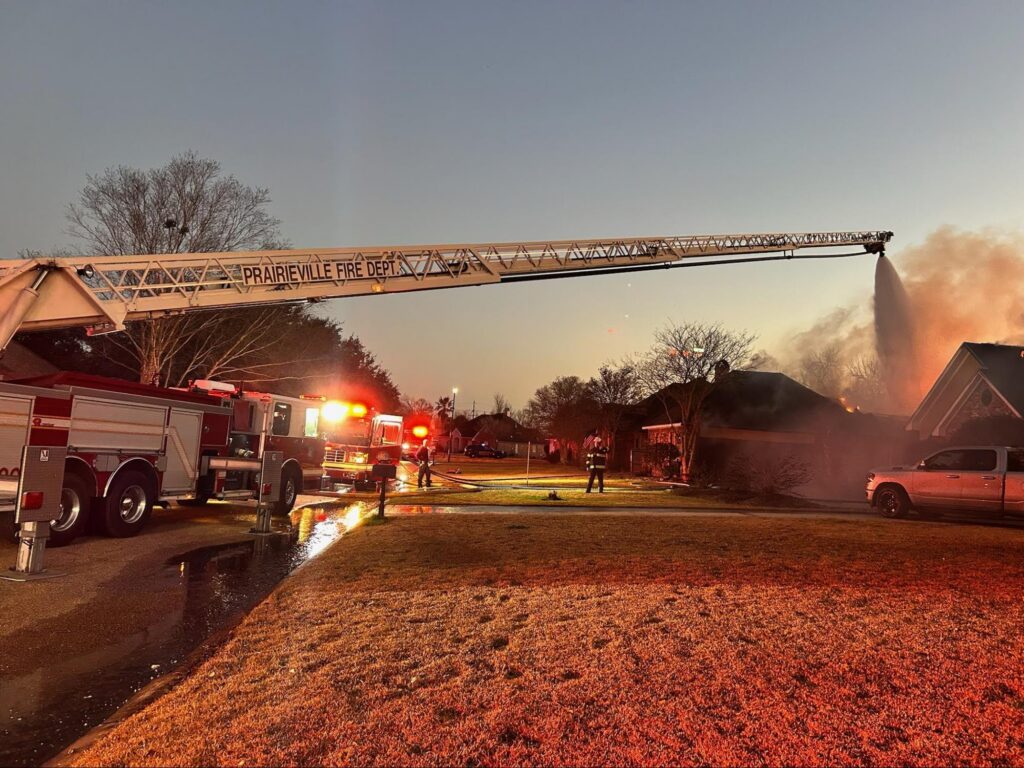
Fire departments now operating under NERIS face predictable data submission challenges that can compromise compliance, funding, and operational analytics. Incomplete incident type mapping from legacy NFIRS codes cause...
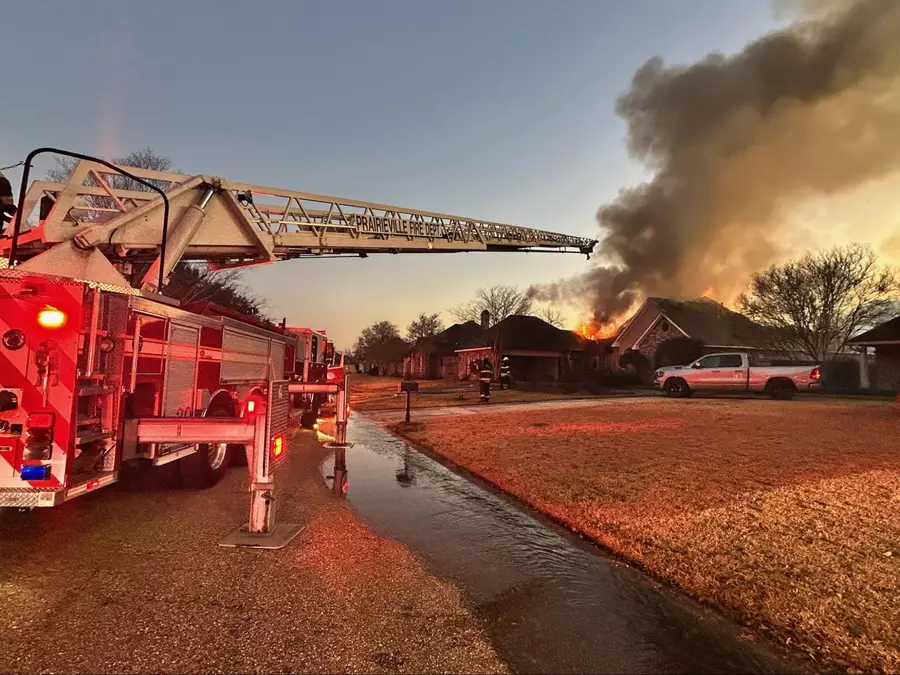
Accurate NERIS data directly supports faster emergency response and better operational decisions for fire departments nationwide. Standardized data collection through NERIS eliminates inconsistencies that plagued lega...
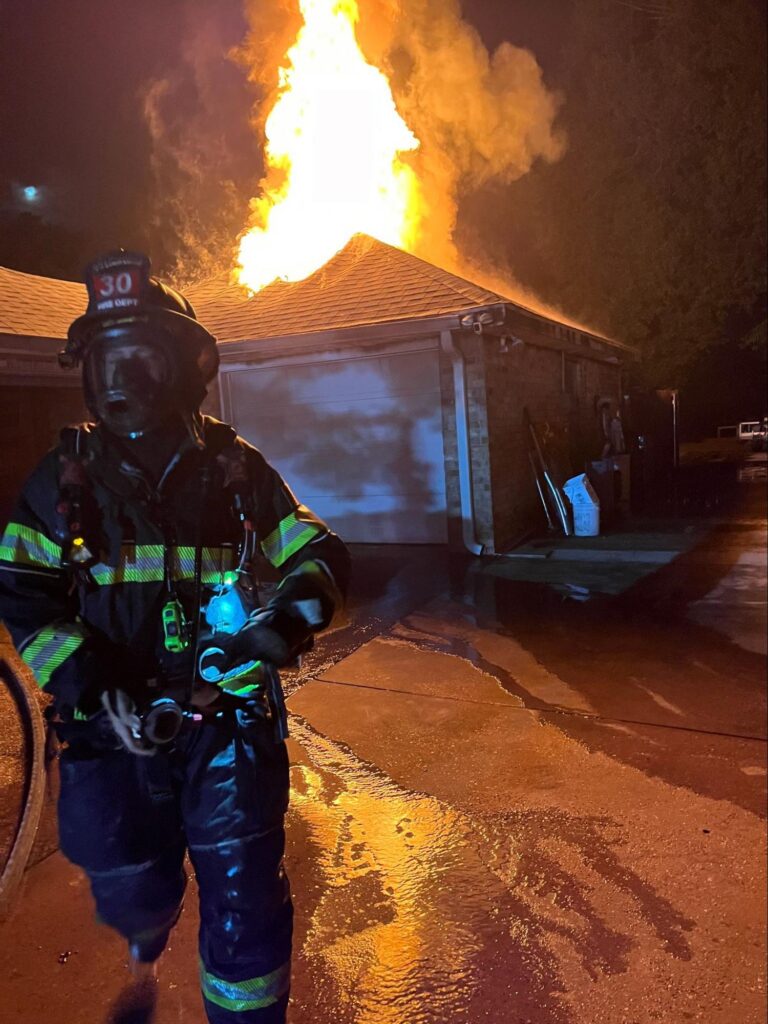
Fire departments that completed their NERIS transition on schedule are now operating under the new reporting requirements, while those that missed deadlines face immediate challenges accessing federal incident reporti...
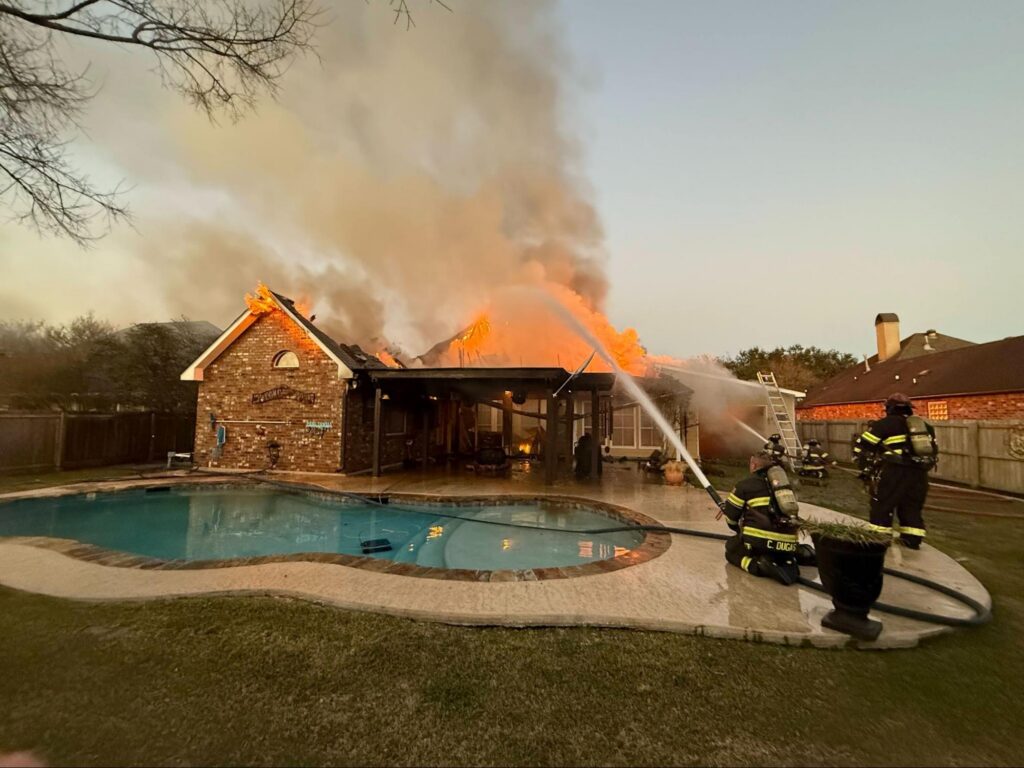
Key Takeaways Mastering NERIS incident types is essential for accurate fire department reporting, successful grant applications, and meaningful data analysis that drives operational improvements. NERIS incident type...
Fire and EMS agencies are under growing pressure to do more than just respond. They are expected to maintain high levels of training, meet compliance standards, and ensure crews are ready for increasingly complex inci...
Fire departments navigating the transition from NFIRS to NERIS face significant changes in how incident data gets captured, validated, and submitted. The National Emergency Response Information System replaces 50-year...
NERIS represents the most significant modernization of fire incident reporting in over four decades, replacing the legacy NFIRS system with a cloud-based platform designed for real-time data exchange and advanced anal...
Knowing when to switch fire department software can mean the difference between seamless NERIS compliance and a data management crisis. Legacy RMS platforms often lack ePCR integration, mobile access, and modern repor...
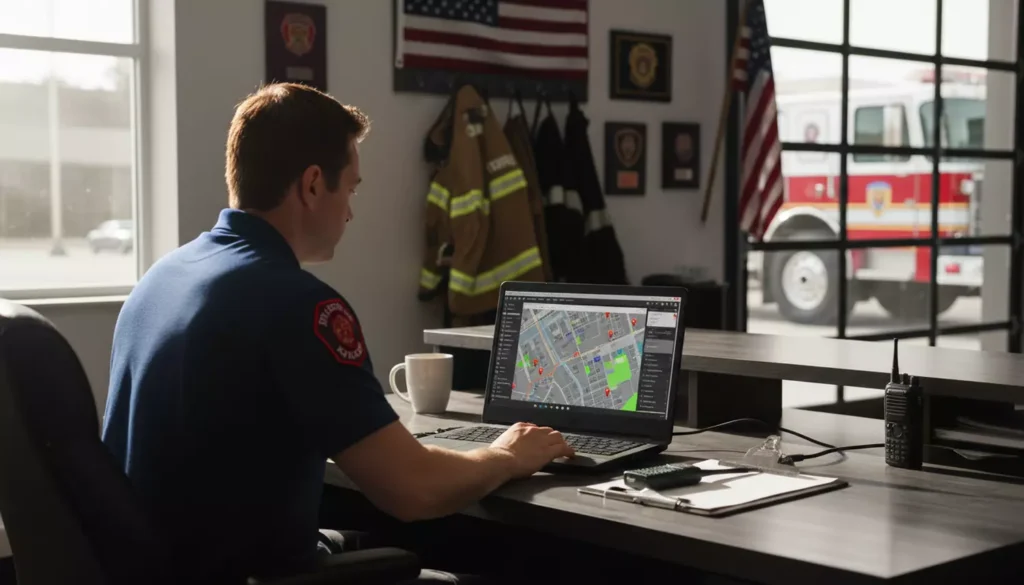
Every fire department operates differently, yet many software vendors use "customizable" as a buzzword without delivering real flexibility. Truly customizable fire department software lets you configure workflows, for...

Community risk reduction inspection software transforms how fire departments identify, prioritize, and address hazards before they become incidents. Data-driven inspection scheduling focuses limited resources on the h...
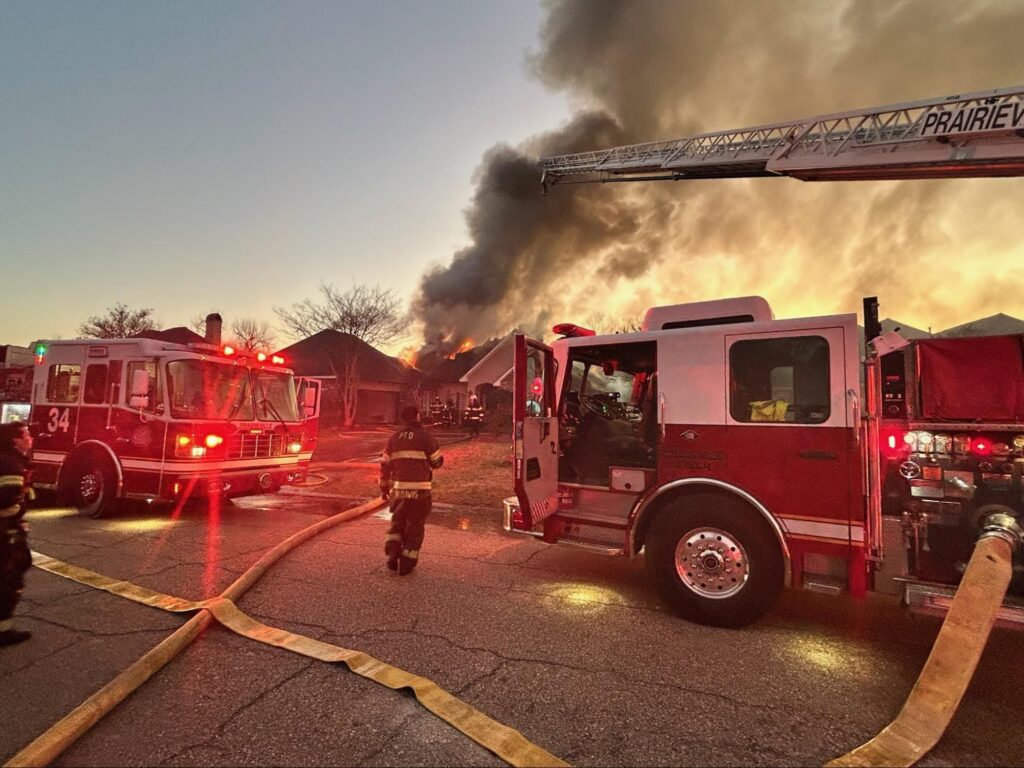
Interagency fire department software transforms how neighboring agencies coordinate mutual aid, share critical incident data, and make collective decisions that protect entire regions. Modern RMS platforms enable mult...
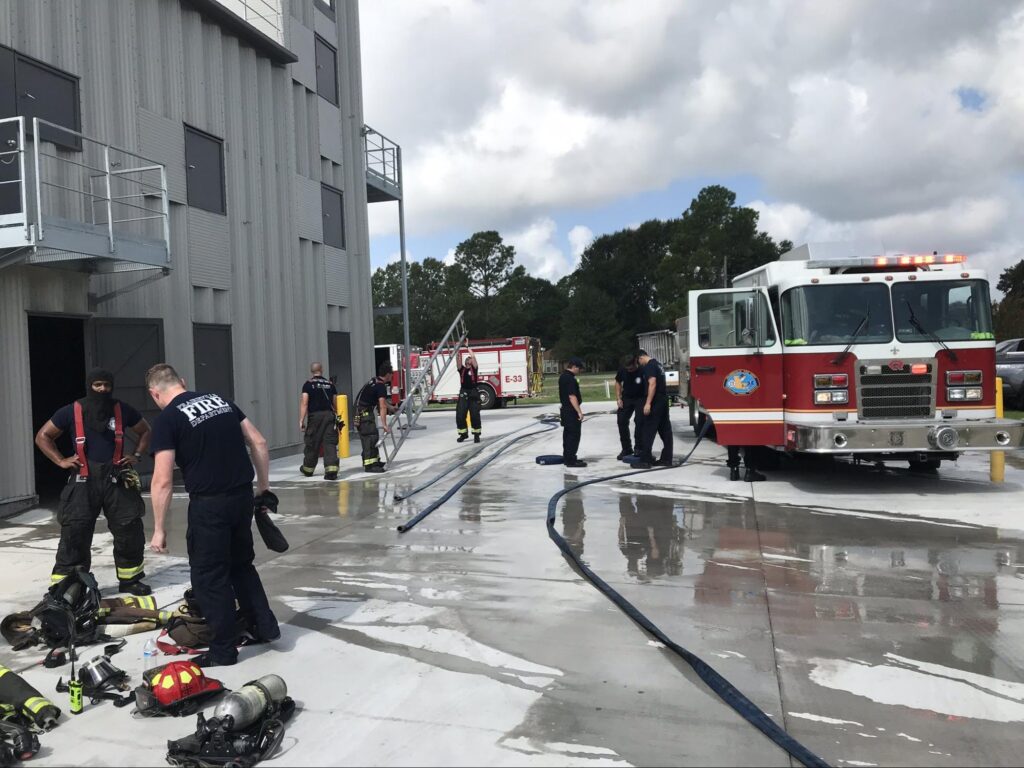
Fire departments face increasing compliance complexity across NFIRS, NEMSIS, NFPA, and soon NERIS standards, making manual processes a significant liability. Incomplete or inaccurate incident reports remain the leadin...
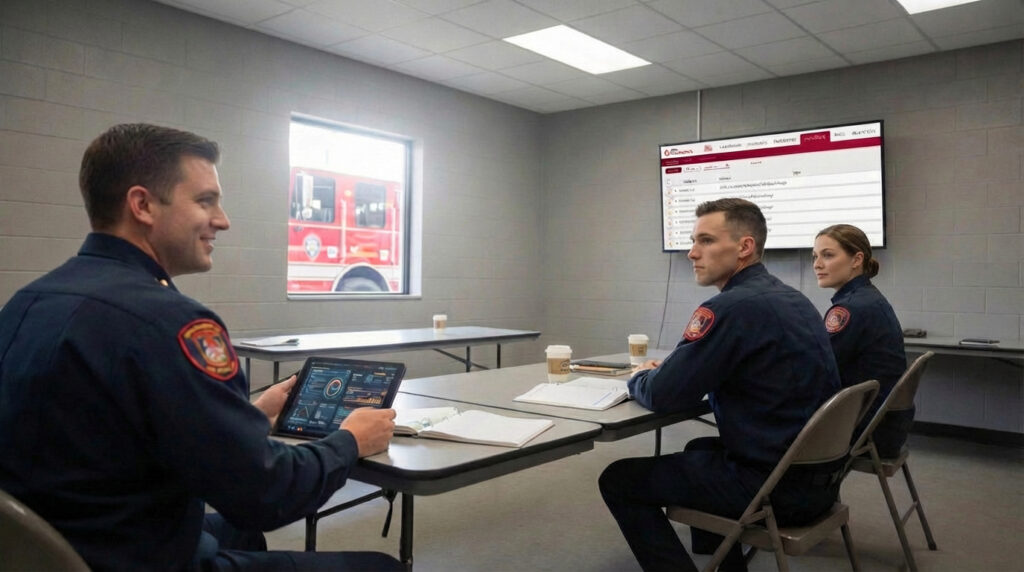
Fire department data quality directly determines compliance outcomes, grant eligibility, and operational decision-making accuracy across every level of your organization. Incomplete or inconsistent incident records ca...
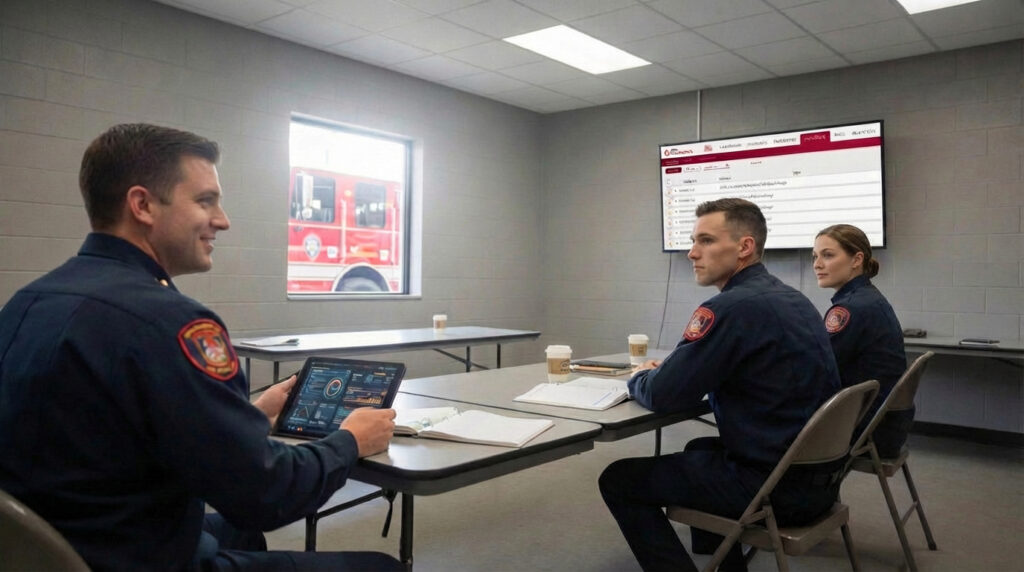
Key Takeaways The NFIRS system officially closed to new incidents on January 1, 2026, making NERIS fire department software with integrated business intelligence capabilities essential for departments navigating thi...
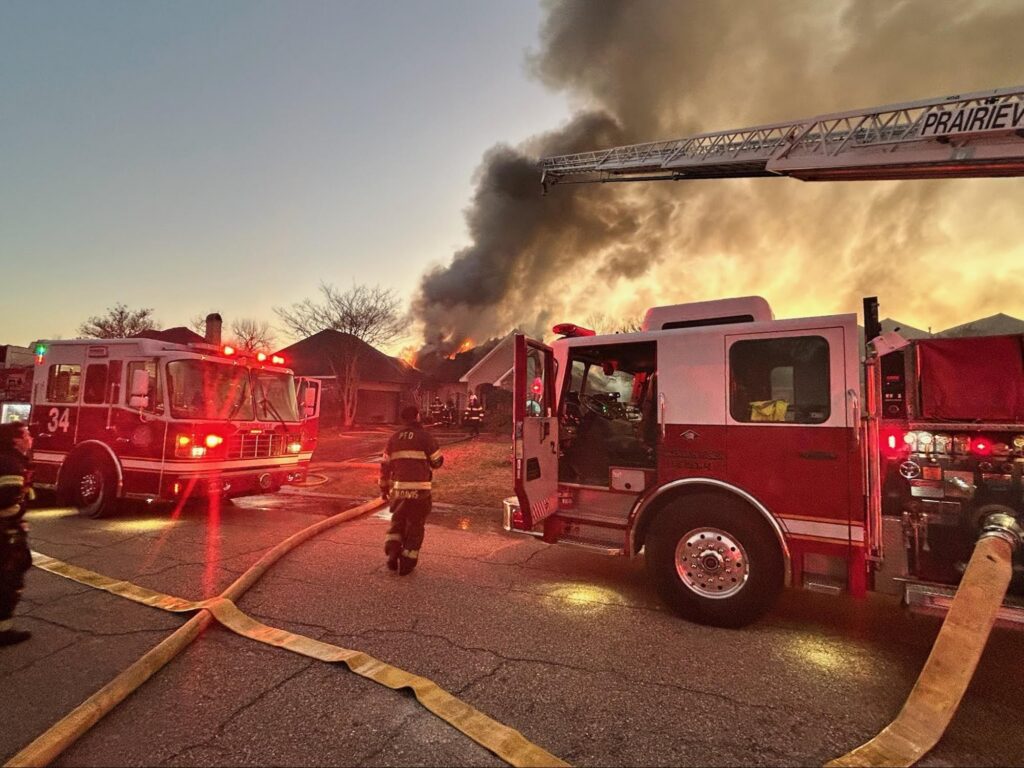
Choosing the right fire RMS vendor requires asking pointed questions that go far beyond feature checklists and pricing quotes. NERIS compliance by January 2026 makes vendor readiness a non-negotiable evaluation criter...

Consolidating your department's technology into a single platform eliminates the operational inefficiencies that cost you time, money, and potentially lives. Departments using integrated platforms report eliminating d...

Modern fire prevention depends on digital tools that connect inspections, pre-plans, and hazard tracking into a unified workflow. Departments using integrated fire prevention software improve inspection times and stre...

Selecting the right fire department records management system directly impacts operational efficiency, regulatory compliance, and community safety outcomes. Cloud-based RMS platforms now dominate the market, offering...

Modern fire department RMS platforms deliver measurable operational improvements through cloud access, mobile functionality, and automated compliance features that legacy systems simply cannot match. The fire departme...

Modern fire department software delivers measurable improvements in emergency response by eliminating manual bottlenecks and accelerating every stage of incident management. Over 60% of fire departments now use digita...

Fire prevention software has become the backbone for departments managing increasing incident volumes, regulatory complexity, and the transition from NFIRS to NERIS. The fire department software market continues rapid...

Fire departments face the most significant reporting transition in decades with NERIS replacing NFIRS by January 2026. Timeline pressure: All departments must transition from NFIRS to NERIS reporting by January 1, 202...

Modern EMS reporting software transforms emergency medical documentation by eliminating manual entry errors and streamlining patient care reporting. Error reduction: Digital ePCR systems significantly reduce documenta...

In the dynamic world of fire and emergency services, the ability to make rapid, data-informed decisions is no longer a luxury—it is a necessity. U.S. fire departments are grappling with increasing call volumes, evolvi...

As climate change intensifies, wildfires are becoming more frequent, severe, and unpredictable, posing unprecedented challenges for fire departments nationwide. In 2025, the U.S. has seen a surge in wildfire activity,...

Fire department RMS software transforms operational efficiency by centralizing incident reporting, personnel management, and compliance tracking in one accessible platform. Modern RMS solutions streamline data collect...

All-in-one fire department software offers comprehensive operational management but requires careful evaluation against modular alternatives. The fire department software market is projected to reach $3.56 billion by...

In the high-stakes world of fire and emergency services, mental health challenges like post-traumatic stress disorder (PTSD) and trauma exposure have reached critical levels. As of 2025, approximately 20% of firefight...

Fire departments across the United States must transition from NFIRS to NERIS reporting by January 1, 2026, marking the most significant change in fire service data management in four decades. The transition is mandat...

In an era of escalating operational demands and fiscal constraints, fire departments across the United States are grappling with skyrocketing costs for essential apparatus and gear. As we look toward 2026, recent data...

In the ever-evolving landscape of fire and emergency services, staffing shortages remain one of the most pressing challenges facing fire departments across the United States. As we approach 2026, data from 2025 highli...
In the evolving landscape of U.S. fire and emergency services, where incident volumes have surged 15% year-over-year amid urbanization, climate variability, and aging infrastructure (as documented in the 2025 NFPA Fir...

In the high-stakes arena of U.S. fire and emergency medical services (EMS), where incident response training can determine outcomes in wildfires, active shooter events, or mass casualty scenarios, selecting the right...

In the fast-paced realm of U.S. ambulance and emergency medical services (EMS), where response times can mean the difference between life and death, selecting the right Electronic Patient Care Reporting (EPCR) softwar...
In the demanding world of U.S. fire and EMS agencies, where 24/7 readiness meets complex shift patterns and regulatory scrutiny, effective payroll management is more than an administrative necessity—it's a strategic i...
In an era where U.S. fire departments face escalating demands—from responding to complex wildfire incidents to managing EMS calls amid urban sprawl—effective records management is no longer optional; it's the backbone...

I’ll never forget the call. It was just after 3 a.m., and the station was quiet—until the tones dropped. The dispatcher’s voice cut through the air: “Structure fire, confirmed entrapment.” In that moment, every second...

I’ve spent most of my career running toward emergencies. Sirens wailing, gear on, adrenaline pumping—that’s the part of the job everyone sees. But in recent years, I’ve come to realize that some of our most important...

I’ve been in this industry long enough to know that “doing nothing” is rarely free. In fact, when it comes to fire and EMS records management, sticking with outdated systems is one of the most expensive decisions a de...

I’ll never forget the moment I got the email: Subject: NERIS V1 Compliance Audit – Tomorrow at 9:00 AM. My heart skipped a beat. I’ve been through inspections before, but this one was different. This was NERIS V1 the...

When I first started in the fire service, we relied on systems that at the time felt cutting-edge. Big beige desktop computers, clunky software that took forever to load, and a filing cabinet full of paper forms. If w...

At EPR FireWorks, we understand that fire inspections are a critical component of public safety, compliance, and operational efficiency for fire departments across the country. Fire inspection processes, when done man...

At EPR FireWorks, we understand that the backbone of effective emergency response management is not just the tools you use but the quality of the information powering those tools. In today’s data-driven world, the val...

At EPR FireWorks, we understand that managing hazardous materials incidents is one of the most critical and complex responsibilities faced by fire and EMS agencies. These events present heightened risks not only to th...

At EPR FireWorks, we understand that managing a fire or EMS agency involves constantly evolving challenges—especially when it comes to reporting and compliance. The transition from the National Fire Incident Reporting...

At EPR FireWorks, we understand the demanding nature of fire and EMS operations. Every second counts, every detail matters, and operational efficiency can be the difference between success and failure in emergency res...

At EPR Fireworks, we understand that transitioning to a new national emergency response system like NERIS (National Emergency Response Information System) is a major step for fire and EMS agencies. It’s not just a tec...

Emergency service agencies, including fire departments and EMS, are tasked with responding swiftly and efficiently to critical incidents. Yet, many agencies continue to rely on disparate systems that create data silos...

At EPR FireWorks, we understand what it means to serve. For over two decades, we’ve worked side by side with fire departments and EMS agencies across the United States - not as a distant software vendor, but as a partner

At EPR Fireworks, we are working shoulder-to-shoulder with fire and EMS professionals across the country. We’ve seen what works, what breaks under pressure, and what truly supports first responders when seconds matter...

At EPR FireWorks, we’ve spent the last years partnering with fire departments and EMS agencies across the country. We’ve seen firsthand how technology can empower, or hinder, the critical work our public safety profes...

In the fast-paced world of Emergency Medical Services (EMS), every second counts. Patient care reporting through paper-based methods frequently results in delayed processing together with inaccurate data as well as fr...

Reliable staff scheduling management within fire and emergency medical services (EMS) becomes crucial because it ensures operational success together with personnel health. Unreasonable overtime work combined with bur...

Fire and EMS agencies are the backbone of emergency response, ensuring public safety in critical situations. However, these agencies face a persistent and growing challenge—staffing shortages. Understaffing leads to s...

The transition from the National Fire Incident Reporting System (NFIRS) to the National Emergency Response Information System (NERIS) is a major shift for fire departments across the U.S. The launch of NERIS represent...
Under the National Incident Management System (NIMS), Incident Action Plans (IAPs) are pivotal in fire department operations. Fire department incident reports provide a structured approach to emergency response, ensur...

Fire departments operate under immense pressure to respond quickly, manage resources effectively, and maintain compliance with industry standards. A significant challenge they face is improving their ISO ratings, dire...

Staying updated with emerging trends and technologies in fire safety is crucial for enhancing public safety, compliance, and operational efficiency. Recent developments highlight the integration of advanced technologi...

Modern fire departments manage various emergencies, including fires, natural disasters, and technical rescues. Adopting an all-hazards approach requires firefighters to develop versatile skills through regular drills...

Modern fire departments manage various emergencies, including fires, natural disasters, and technical rescues. Adopting an all-hazards approach requires firefighters to develop versatile skills through regular drills...

In a groundbreaking collaboration poised to redefine emergency response, EPR FireWorks has partnered with Mappedin, a leader in indoor mapping technology. This partnership empowers fire departments and emergency respo...

Orlando, FL & North Carolina – December 18, 2024 – The landscape of Fire and EMS services is evolving, and staying ahead requires tools that drive operational efficiency and enhance emergency preparedness. EPR FireWor...

Volunteer fire departments play an essential role in public safety, especially in rural and small communities, where they account for 95% of fire protection services for populations under 25,000. In the United States,...
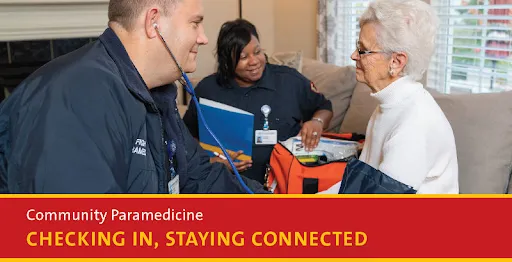
Integrated care between home health services and EMS agencies represents a transformative approach to healthcare delivery, emphasizing continuity and personalization of care. This model, often seen in Mobile Integrate...

When ePCRs first came into the picture, they were little more than digital versions of the paper forms EMS agencies, ambulance services, and fire departments had used for years. For a long time, many systems didn’t ev...

Fire agencies are seen as an anchor for the communities they serve. As part of that, open communication and engagement with residents are key methods to ensure this connection perseveres. By fostering strong relations...

Effectively managing community health within fire departments and EMS agencies is crucial for immediate response and long-term wellness. Their frontline involvement allows them to engage with individuals during health...

Every second counts as fire departments and EMS agencies increasingly rely on technology to improve efficiency and response times. One key innovation is integrating fire and EMS software solutions, which have helped c...

Fire agencies face significant workload hurdles: their responsibilities are increasing, but their resources are not. This imbalance can lead to overburdened teams, missed inspections, improperly filed paperwork, and c...

According to recent data from the National Fire Protection Association, nearly 30,000 fire departments in the United States are supported by over 1,000,000 career and volunteer firefighters, safeguarding approximately...
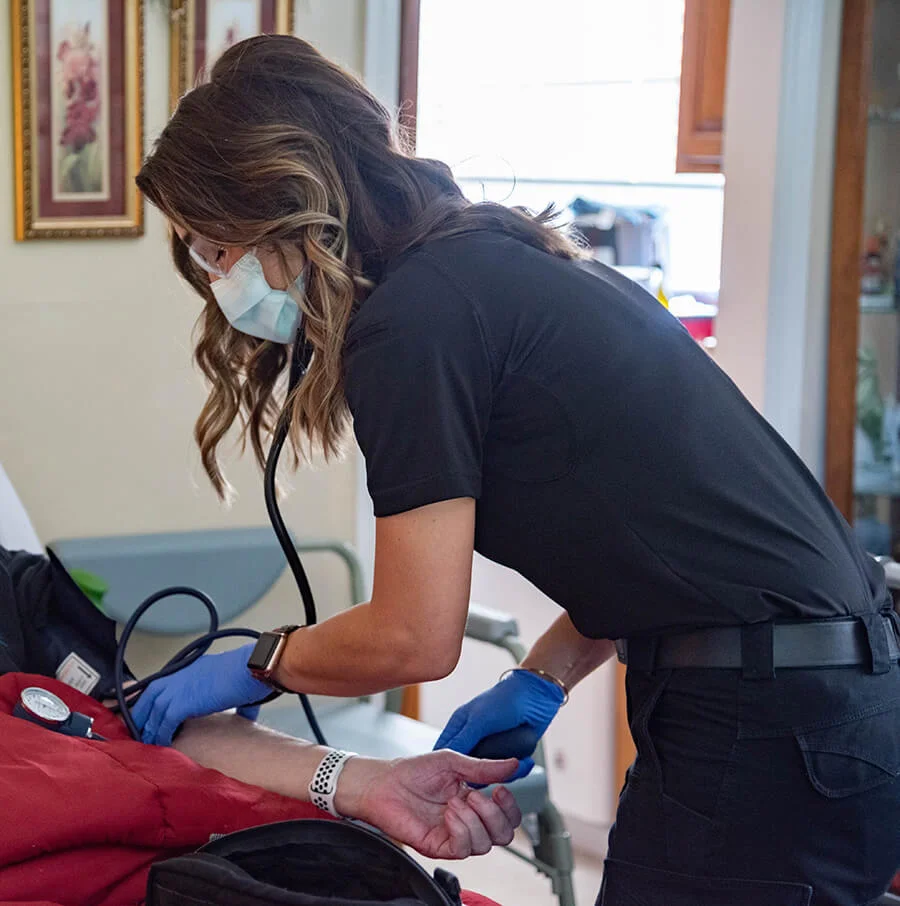
Emergency service providers frequently encounter a high volume of 9-1-1 calls that do not always involve true medical emergencies. These calls can strain limited resources, reducing the emergency service system's over...

One of the biggest challenges fire departments face today is managing vast data. Data continuously flows into the department, from incident reports and inspections to personnel information and electronic patient care...

Why All-In-One Software Makes a Crucial Difference in How Departments Operate The U.S. Fire Administration (USFA) plans to replace NFIRS with a new National Emergency Response Information System (NERIS) platform by 20...
Revolutionizing Firefighting Operations: Introducing StaffWorks - Your Ultimate Scheduling and Communication Solution In the fast-paced and high-stakes world of firefighting, efficient scheduling and resource manageme...

Modern fire department operations demand software that keeps pace with evolving compliance standards, operational complexity, and community expectations. NERIS V1 compliance deadline requires departments to transition...