
Fire departments are facing a big change in how they report incidents. The old system, NFIRS, is being replaced by NERIS. This new system, called the National Emergency Response Information System, is supposed to make things better. It’s cloud-based and can share information much faster. Everyone needs to get ready for this shift, which has a deadline coming up. Understanding NERIS Incident Types is key for fire departments to keep up and get the most out of the new system.
Key Takeaways
- The move from NFIRS to NERIS Incident Types is happening by January 2026, and fire departments need to prepare now.
- NERIS Incident Types offer more than just fire data; they cover all kinds of emergencies and provide more detailed information.
- Getting ready for NERIS Incident Types means checking current systems and making sure software works with the new requirements.
- Using NERIS Incident Types can help departments get grants and might even lower insurance costs for communities.
- The new NERIS Incident Types system should make operations smoother and help different agencies work together better.
Understanding The Shift To NERIS Incident Types
The way fire departments report incidents is changing, and it’s a pretty big deal. For years, we’ve relied on the National Fire Incident Reporting System, or NFIRS. It’s been around forever, and most of us know how it works. But the world of emergency response doesn’t stand still, and neither can our data systems. That’s where the National Emergency Response Information System, or NERIS, comes in. Think of it as the next generation, built for today’s complex emergencies.
NERIS Versus NFIRS: A New Era Of Data
NFIRS has been the standard for a long time, but it has its limits. It was mostly focused on fire incidents and didn’t always keep up with the pace of technology or the variety of calls we respond to. NERIS is different. It’s designed to be a more flexible, all-hazards system. This means it can handle everything from medical calls and hazardous materials incidents to technical rescues and natural disasters, not just fires. It’s cloud-based, which means better access and easier updates. Plus, it’s built for real-time data exchange, something NFIRS really struggled with. This shift means we’re moving from a system that often reported data months or even a year late to one that can provide insights almost as they happen. This is a huge step up for making smart decisions quickly. You can find a helpful crosswalk to translate old NFIRS codes to NERIS descriptions here.
The Critical January 2026 Deadline
Mark your calendars: January 1, 2026, is the hard deadline for switching over to NERIS. This isn’t a suggestion; it’s a requirement. States are rolling out the transition throughout 2025, so there’s not a lot of time left to get ready. Waiting until the last minute is a recipe for trouble. Getting ahead of this means your department can adapt without the stress of a forced, rushed change. It gives your team time to learn the new system and make sure your data is accurate from day one. This transition affects thousands of departments nationwide, and being prepared early can make all the difference.
Strategic Advantages Of Early Adoption
Switching to NERIS isn’t just about meeting a deadline; it’s about gaining an edge. Departments that adopt NERIS early will find they have better data to work with. This improved data can make grant applications much stronger. Instead of just saying ‘we responded to X calls,’ you can show detailed analytics about community risks, response times, and how resources were used. This kind of evidence-based justification is exactly what grant reviewers are looking for. Furthermore, better data can positively impact your community’s ISO ratings, which can lead to lower insurance costs for residents. It’s about using modern data tools to improve not just your department’s operations but the community’s overall well-being and financial health.
Key Differences In NERIS Incident Types Reporting
The shift from the old National Fire Incident Reporting System (NFIRS) to the new National Emergency Response Information System (NERIS) isn’t just a minor update; it’s a pretty big change in how fire departments handle their data. Think of it like going from a flip phone to a smartphone – suddenly, you can do so much more.
Beyond Fire: Comprehensive All-Hazards Reporting
One of the biggest differences is that NERIS isn’t just for fire calls anymore. NFIRS was mostly focused on fires, but NERIS is designed to capture information on all sorts of emergencies. This means EMS responses, hazardous materials incidents, technical rescues, and even natural disasters can all be logged in one place. This gives a much clearer picture of what a department actually deals with on a day-to-day basis. It’s about reporting everything, not just the flames.
Enhanced Granularity With Polygon Mapping
Another neat feature is how NERIS handles location data. Instead of just putting in a street address, NERIS allows for polygon mapping. What does that mean? Basically, you can draw a shape on a map to define the incident area. This is super helpful for large incidents like wildfires or events spread out over a wide area where a single address just doesn’t cut it. It makes the data more precise, especially when you can’t easily pinpoint a specific building or location. This kind of detail is something NFIRS just couldn’t offer.
Real-Time Data Exchange Capabilities
Perhaps the most significant change is the move to real-time data. NFIRS often involved batch submissions, meaning data could be delayed. NERIS, on the other hand, is built for immediate data exchange. This means information is available much faster, allowing for quicker analysis and better decision-making. This capability is a game-changer for understanding response patterns and resource needs as they happen, rather than looking at old data. This real-time aspect is a core part of why departments need to get on board with NERIS reporting by the January 2026 deadline.
Preparing For NERIS Incident Types Implementation
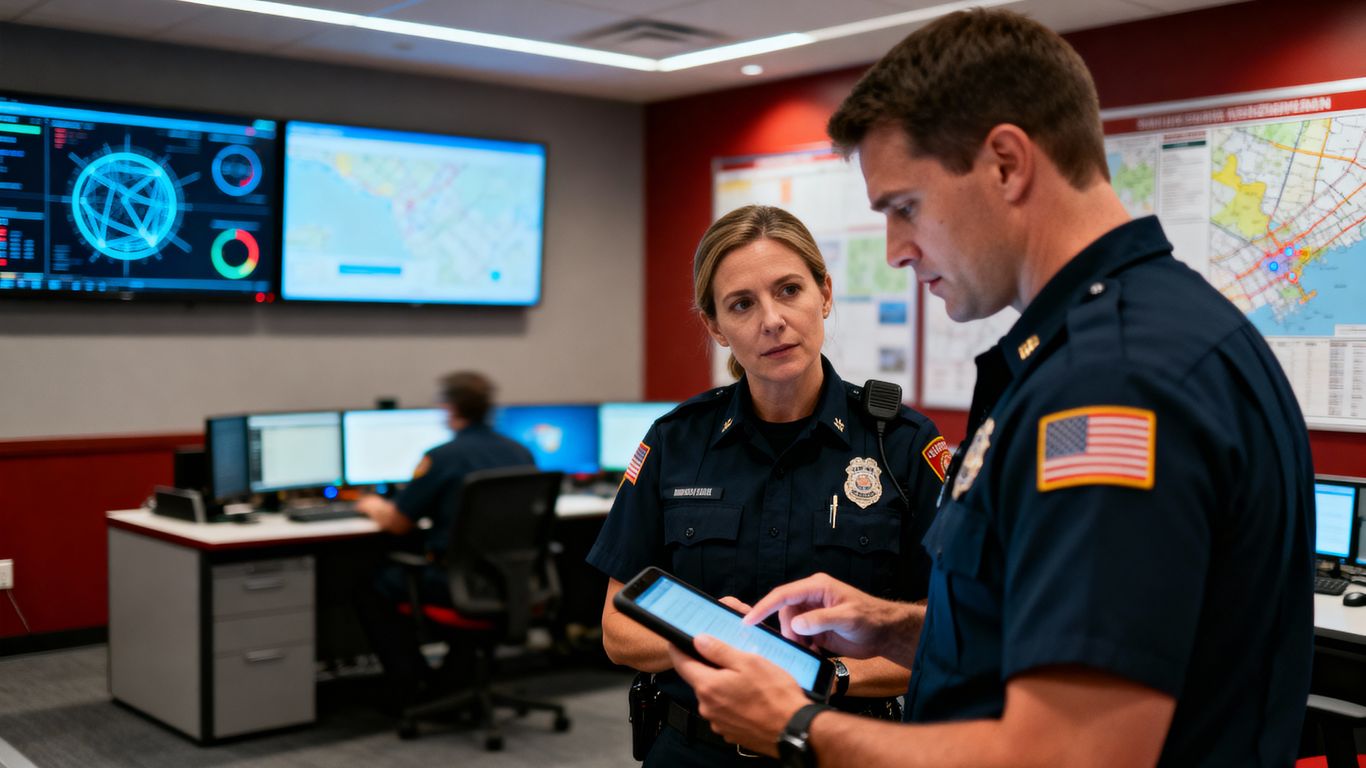
Getting ready for the switch to NERIS incident types isn’t just about flipping a switch; it requires a thoughtful approach to make sure everything runs smoothly. Think of it like getting ready for a big move – you need to pack, plan, and make sure you have everything you need before the moving truck arrives. For fire departments, this means looking closely at how things are done now and figuring out what needs to change.
Assessing Current Workflows And Identifying Gaps
First things first, you need to really look at your department’s current reporting process. How do you handle incident reports now? What software are you using? Where does the data go? You’ll want to compare this to what NERIS requires. It’s likely that some of the steps you take now won’t quite fit the new system. For example, NFIRS reporting has been around for a long time, and NERIS is built on a more modern foundation. This means there might be new data points to collect or different ways to categorize incidents. Identifying these differences early on is key. It helps you see where you might run into trouble later and allows you to start planning solutions. This assessment should involve people from different parts of your department, not just the folks who fill out the reports.
Designating Internal Administrators For NERIS
Someone needs to be in charge of making sure the NERIS transition happens correctly within your department. This isn’t a side job; it needs dedicated attention. You should pick one or two people to be your internal NERIS administrators. These individuals will be the go-to people for understanding the new system, coordinating with software vendors, and helping other staff get up to speed. Unlike the old NFIRS system, where state offices might have had more direct access, NERIS puts more responsibility on individual departments to manage their own data. Having these internal administrators means there’s continuity and a clear point of contact, which is really important for keeping things on track.
Verifying Software Vendor Compatibility
Your software is going to be your main tool for reporting. So, you absolutely need to check if your current software vendor is ready for NERIS. The deadline is approaching, and you don’t want to be caught with a system that can’t talk to the new national platform. Look for vendors that have achieved NERIS V1 Data Exchange Compatibility certification. This means their software has been tested and approved to work with the new system. If your current vendor isn’t ready, you’ll need to start looking for a new one or see if they have a clear plan and timeline for becoming compatible. This is a big piece of the puzzle, and getting it sorted out early can save a lot of headaches down the road. You can find lists of compatible vendors on the U.S. Fire Administration website.
Leveraging NERIS Incident Types For Grant Funding And ISO Ratings
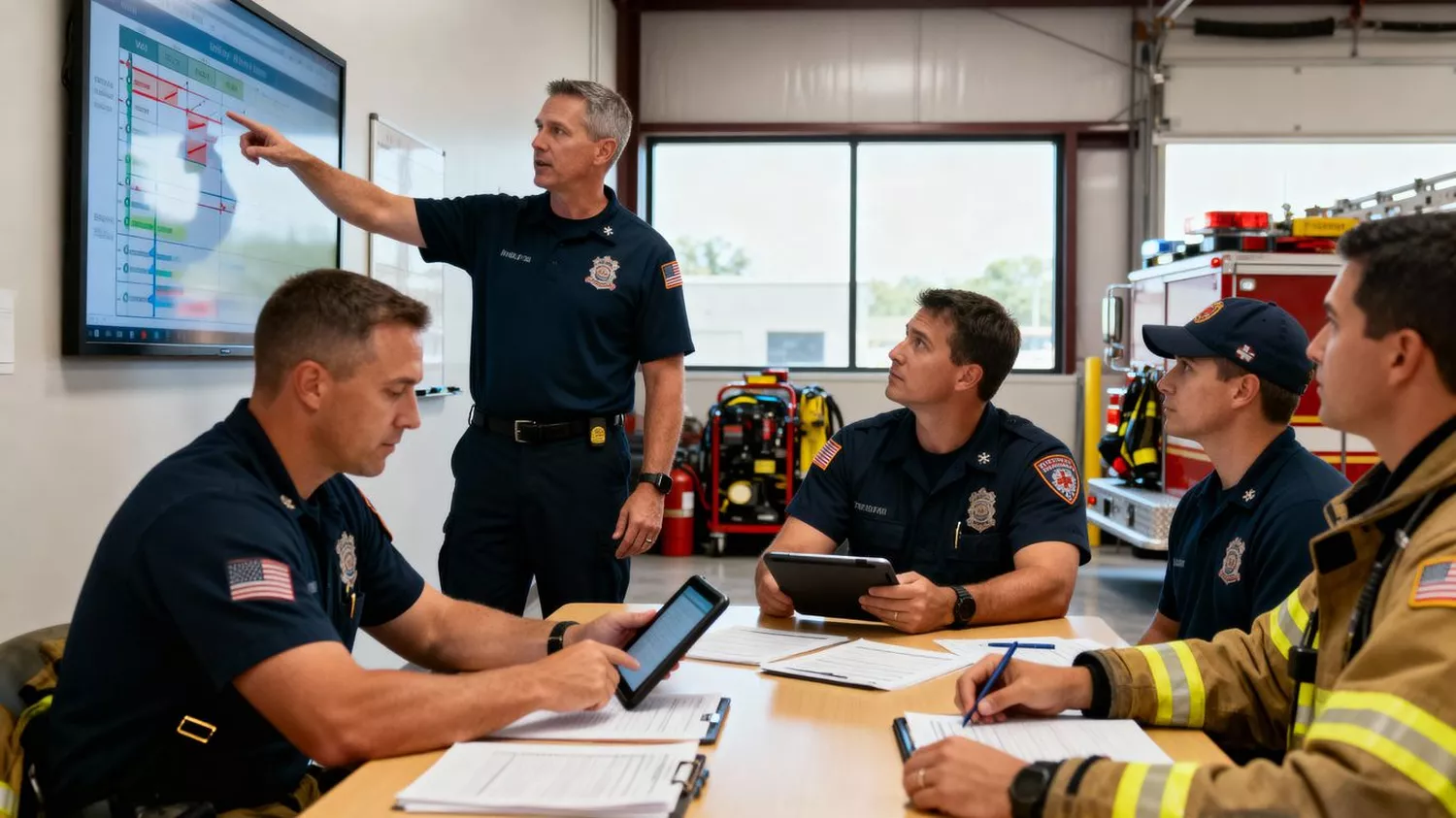
Strengthening Grant Applications With Data Analytics
Getting money for your department can be tough. Federal grants, like the Assistance to Firefighters Grant (AFG), are a big help, but they’re competitive. The government wants to see that you’re using money wisely and that your department is performing well. This is where NERIS really shines. Instead of just saying ‘we responded to X calls,’ NERIS lets you show them actual data. You can pull reports on response times to different types of incidents, how effectively your crews were deployed, or even map out areas with high risk based on past calls. This kind of detailed information makes your grant applications much stronger. It’s like showing your homework – you’re proving why you need the funds and how you’ll use them to make things better.
Improving Community Insurance Costs Through ISO Ratings
Your department’s performance also affects something called the ISO rating, which is basically a score that insurance companies use. A better ISO rating can mean lower insurance premiums for people in your community. How does NERIS help here? Well, the Insurance Services Office (ISO) looks at how well your department operates, and that includes how you track your incidents and your response capabilities. By using NERIS, you’re collecting more detailed and accurate data about your operations. This data can show the ISO that your department is well-equipped, responds quickly, and handles incidents effectively. Having this solid data can lead to an improved ISO Public Protection Classification score, which is good news for everyone in your service area.
Ensuring Software Meets NERIS V1 Data Exchange Certification
To get all these benefits, your department’s software needs to be up to speed. The big deadline is January 2026, and after that, you have to be using NERIS. This means your current software, or whatever new system you get, needs to be certified as NERIS V1 compatible. This certification means the software can talk to the national NERIS system correctly, sending and receiving data without issues. It’s not just about having software; it’s about having the right software that meets these new federal standards. Checking for this certification early on is key. It prevents headaches down the road and makes sure you can take full advantage of NERIS for grants, ISO ratings, and better overall operations.
Operational Benefits Of NERIS Incident Types
The shift to the National Emergency Response Information System (NERIS) isn’t just about meeting a deadline; it’s about fundamentally improving how fire departments operate on a daily basis. Think of it as upgrading from an old flip phone to a smartphone – suddenly, you have access to tools and information that make everything easier and more effective. This new system offers tangible advantages that go way beyond just filling out forms.
Transforming Operations With Advanced Analytics
One of the biggest game-changers with NERIS is the access to advanced analytics. The old system, NFIRS, gave you basic reports, but they were often delayed and didn’t tell the whole story. NERIS, on the other hand, provides near real-time data that can be analyzed to reveal patterns you might never have noticed before. This means fire chiefs and leaders can make smarter decisions about where to put resources, what kind of training is most needed, and how to best address risks in the community. For instance, analyzing incident data might show a spike in a certain type of medical call in a particular neighborhood, prompting a review of local health initiatives or targeted public education campaigns. This kind of data-driven approach helps departments become more proactive rather than just reactive. It’s about using the information you collect to actually make things better and safer for everyone.
Enhancing Interagency Coordination
Emergency response rarely happens in a vacuum. When multiple agencies need to work together, having a common language and a way to share information quickly is key. NERIS is built with interoperability in mind. Its standardized data formats and ability to exchange information through APIs mean that when a mutual aid request comes in, or a large-scale incident requires multiple departments, everyone is working from the same playbook. This means less confusion on scene, better coordination of resources, and ultimately, a more effective response. Imagine a complex HazMat incident; with NERIS, information about chemical types, containment efforts, and resource status can flow between the fire department, EMS, and even local law enforcement in real-time. This shared awareness is critical for managing dangerous situations and keeping responders safe. This improved data sharing is a significant step forward for regional response coordination.
Improving Situational Awareness For Responders
For the firefighters and EMTs on the front lines, having the right information at the right time can make all the difference. NERIS aims to put that information directly into their hands. Whether it’s through mobile devices or integrated systems, responders can get updated details about an incident as it unfolds. This could include real-time hazard classifications, updated resource status, or even specific building information like hydrant locations or access points. This constant stream of accurate data helps responders maintain a clear picture of what’s happening around them, reducing the chance of errors or dangerous oversights. It means less guesswork and more informed actions, which is exactly what you want when lives and property are on the line. This focus on providing actionable data directly to those in the field is a major operational win.
Navigating Challenges In NERIS Incident Types Transition
Making the switch to NERIS isn’t just about updating software; it’s a significant operational shift. Fire departments face a few key hurdles that need careful attention to ensure a smooth transition before the January 2026 deadline. Getting this right means your department can keep focusing on what matters most: serving the community.
Addressing Data Migration And Workflow Adjustments
Moving from NFIRS to NERIS means your historical data needs to be handled carefully. You can’t just let old records disappear. Many departments worry about losing valuable information or having it become inaccessible. It’s important to work with your software provider to see how they can bring your old NFIRS data into the new system. EPR FireWorks, for example, can store and show your past NFIRS reports, so nothing gets lost during the change. Beyond just keeping old data, you’ll need to adjust how your team does things day-to-day. New reporting fields and different ways of categorizing incidents will require a look at your current processes. Think about creating a simple guide or checklist for your staff to follow as they start using the new system. This helps everyone get on the same page quickly.
Overcoming Training Requirements For Personnel
Training is a big piece of this puzzle. Your team needs to feel comfortable and capable with the new NERIS system. This isn’t a one-off training session; it’s about building ongoing confidence. A good approach involves different types of training for different roles:
- Leadership Briefings: Make sure command staff understand the ‘why’ behind NERIS and its benefits.
- Hands-On Workshops: All reporting staff should get practical experience with the new software and data entry.
- Scenario Practice: Use realistic incident examples to show how NERIS works in action.
- Ongoing Support: Provide quick guides and refresher sessions to keep skills sharp.
Remember, clear communication during training is key. Let people ask questions and voice concerns. This makes the learning process much smoother and helps people adapt faster. Many providers offer online modules that staff can use at their own pace, which is great for busy schedules.
Managing Integration With Existing RMS Platforms
Your Records Management System (RMS) is likely the heart of your data operations. Making sure it plays nicely with NERIS is critical. Not all RMS systems are built the same, and some might not be ready for NERIS. It’s vital to check if your current vendor is NERIS V1 Data Exchange Compatible. This certification is a big deal because it means their system can talk to the national NERIS database correctly. If your RMS isn’t compatible, you might face a tough decision about switching systems or upgrading, which can be costly and time-consuming. Planning for this integration early can save a lot of headaches down the road. Look for vendors that offer support for this transition, including help with data migration and technical setup. This ensures your department can continue to operate without major disruptions while meeting the new reporting standards.
Dealing with changes in how we handle NERIS incidents can be tricky. We’ve made it easier to understand and manage these transitions. Want to learn more about how our system can help? Visit our website today!
Looking Ahead: Embracing the NERIS Future
So, the big takeaway here is that the switch from NFIRS to NERIS isn’t just some minor paperwork change. It’s a pretty big deal for how fire departments do their thing, especially with that January 2026 deadline looming. Getting a handle on these new incident types and how NERIS works means your department can keep up, share info better, and maybe even snag some of that grant money. It’s about making sure everyone’s on the same page and ready for whatever comes next. Ignoring it just isn’t an option if you want to keep things running smoothly and effectively.
Frequently Asked Questions
What exactly is NERIS and why is it replacing NFIRS?
NERIS, which stands for the National Emergency Response Information System, is a new, modern way for fire departments to report incidents. Think of it like upgrading from an old flip phone to a smartphone. NFIRS has been around for a long time, but NERIS is built for today’s technology. It’s cloud-based, meaning it’s online and accessible from anywhere, and it can share information much faster. This upgrade helps departments keep better track of all kinds of emergencies, not just fires, and share that information more easily with others.
When do fire departments have to start using NERIS?
The deadline to switch completely from the old NFIRS system to NERIS is January 1, 2026. This means all fire departments across the country need to be reporting incidents using NERIS by that date. States will be rolling out the new system throughout 2025, so it’s important for departments to know when their specific transition will happen and get ready.
What are the main differences between reporting with NFIRS and NERIS?
NERIS is a big step up from NFIRS. Instead of just focusing on fires, NERIS covers all types of emergencies, like medical calls and hazardous material spills. It also lets departments draw maps of where incidents happened, which is more detailed than just an address. Plus, NERIS can share information in real-time, meaning updates happen instantly, unlike NFIRS where data was sent in batches much later. It’s all about having more complete and up-to-date information.
How can using NERIS help my department get grants or affect insurance rates?
Having good data is key for getting money and improving your community. NERIS provides much better information and analysis tools. This means your grant applications can be stronger because you can show exactly what you need and why, using real data. For insurance, better reporting can help your community get a better rating from organizations like the ISO, which can lead to lower insurance costs for homeowners and businesses.
What are the biggest challenges fire departments might face when switching to NERIS?
Switching systems can be tricky. Some challenges include moving all the old data to the new system, which can be a big job. Everyone on the team will need training on how to use the new software and understand the new reporting rules. Also, departments need to make sure their current computer systems (like their Records Management System) can work with NERIS. If they can’t, they might need to upgrade or get new software, which takes time and money.
How does NERIS improve day-to-day operations for firefighters?
NERIS isn’t just about paperwork; it helps firefighters do their jobs better. By having quicker access to more detailed information, like real-time updates on an incident or better maps, responders can make smarter decisions faster. It also makes it easier for different agencies to work together because they’re all using the same kind of data. This leads to better awareness at the scene and helps everyone stay safer.
