The fire service is undergoing a major change with the move from NFIRS to NERIS. This isn’t just a minor update; it’s a whole new way of handling incident data. By January 2026, all reporting must be done using NERIS. This transition means departments need to get ready now, understand the new system, and make sure their teams are trained. It’s a big shift, but it promises better data and operations for everyone involved.
Key Takeaways
- The National Emergency Response Information System (NERIS) will replace the National Fire Incident Reporting System (NFIRS) by January 1, 2026, marking a significant update in how fire and EMS agencies report incidents.
- NERIS offers advanced features like real-time data analytics and improved interoperability, moving beyond the capabilities of the older NFIRS system.
- Agencies must prepare for the transition by assessing current practices, planning for software compatibility, and training their staff well before the 2026 deadline.
- Early adoption of NERIS provides strategic advantages, including better operational insights and a smoother compliance process, avoiding last-minute issues.
- Ensuring your Records Management System (RMS) vendor is NERIS V1 compatible is critical for successful data exchange and meeting federal reporting requirements.
Understanding the NFRIS to NERIS Transition
The fire service is undergoing a major change, and it’s not just about updating software. We’re moving from the National Fire Incident Reporting System (NFIRS), which has been around for ages, to the National Emergency Response Information System (NERIS). This isn’t just a small tweak; it’s a big shift in how we handle information. Think of it like going from an old flip phone to a smartphone – suddenly, you can do so much more, and things work differently.
NFIRS vs. NERIS: A Fundamental Shift
NFIRS has been the standard for a long time, but it has its limits. It was designed for a different era and often meant data was reported months, even a year, after an incident. NERIS, on the other hand, is built for today’s world. It’s cloud-based and designed for near real-time data submission. This means we can get insights much faster, which helps us move from just reacting to incidents to being more proactive about safety and how we use our resources. It’s a move towards smarter, data-driven operations. This new system is expected to be fully implemented nationally by January 2026.
Key Differences in Data and Interoperability
One of the biggest differences is how NERIS handles data and talks to other systems. NFIRS was pretty basic, mainly focused on fire incidents. NERIS is much broader; it can handle all sorts of emergencies – EMS, hazardous materials, technical rescues, you name it. It also uses modern technology, like APIs, to connect with other systems such as dispatch (CAD) and records management systems (RMS). This means less manual data entry and more accurate, timely information. The goal is better coordination between agencies because everyone is working with the same, up-to-date information. This improved interoperability is a key benefit of the new system.
The Strategic Importance of NERIS Adoption
Adopting NERIS isn’t just about following rules; it’s a strategic move. The faster, more detailed data we get from NERIS can help us in many ways. For example, it can help justify budget requests, improve how we plan for future needs, and even help with things like ISO ratings. Plus, federal grants, like the Assistance to Firefighters Grant (AFG), often require participation in these reporting systems. Getting ahead of the curve with NERIS means we can better secure funding and make smarter decisions for our departments and the communities we serve. It transforms our incident reports from a compliance task into a powerful tool for planning and improvement. You can find more information on the Fire Safety Research Institute website.
Navigating the NERIS Implementation Timeline
The shift from NFIRS to NERIS isn’t something that happens overnight. It’s a process with specific dates and stages that departments need to be aware of. Think of it like planning a big event; you need to know when things need to happen to make sure it all goes smoothly.
The U.S. Fire Administration (USFA) is rolling out NERIS across the country in phases throughout 2025. This means different regions will have different start dates for their transition. For example, some states began their onboarding process as early as July 2025, while others are scheduled for later in the year, like October or November 2025. It’s important to check with your state’s fire marshal office to get the exact schedule for your area. This staggered approach helps the USFA provide focused support as each region makes the switch. During 2025, departments will operate in a hybrid mode, meaning both NFIRS and NERIS systems will be active. This allows for testing new workflows while still meeting current reporting needs. Just remember not to report the same incident in both systems unless your state specifically requires it.
The big date to circle on your calendar is January 1, 2026. By this time, all fire incident reporting must be done through NERIS. After January 31, 2026, the old NFIRS system will be completely shut down, meaning no more incident records can be submitted or edited. This deadline is firm, and missing it could affect your department’s ability to meet federal requirements, including those for grant funding like the Assistance to Firefighters Grant (AFG) program. Getting your reporting done in the old system before it closes is key.
While the deadline might seem a ways off, starting the transition early offers some real advantages. Departments that get ahead of the curve have more time to train their staff, iron out any kinks in their reporting processes, and test their software. This proactive approach means less stress as the deadline gets closer and helps ensure the data you submit is accurate and complete from the start. It also means your agency can start benefiting from the real-time data and improved analytics that NERIS provides much sooner, helping with everything from resource planning to grant applications.
Preparing Your Agency for NERIS Compliance
Getting your fire or EMS department ready for the switch from NFIRS to NERIS isn’t just about updating software; it’s about making sure your whole operation is set to handle the new system smoothly. Think of it like getting ready for a big move – you need to pack, sort, and plan where everything will go before the moving trucks arrive. The deadline of January 1, 2026, is coming up, and being prepared now means less stress later.
Assessing Current Reporting Practices
Before you can move forward, you need to know where you stand. Take a good, hard look at how your department currently collects and reports incident data. What works well with NFIRS? What are the pain points? Identifying these areas now will help you see where the new NERIS system might require changes. It’s about finding the gaps between what you’re doing now and what NERIS will need.
- Review existing workflows: Map out every step of your current incident reporting process. Where does data come from? Who enters it? How is it verified? How long does it take?
- Identify data discrepancies: Are there types of incidents or data points you collect now that NFIRS doesn’t fully capture, or vice versa? NERIS is designed for all-hazards reporting, so consider how your current practices align with that broader scope.
- Document current challenges: What are the common errors, delays, or frustrations your team experiences with NFIRS? Understanding these issues will help you prioritize solutions with NERIS.
Developing a Phased Internal Transition Plan
Once you know your starting point, it’s time to make a plan. Trying to do everything at once can be overwhelming. A phased approach breaks the transition into manageable steps, making it easier for your team to adapt.
- Phase 1: Research and Planning (Now – Mid-2025): Focus on understanding NERIS requirements, confirming your RMS vendor’s NERIS V1 compatibility, and outlining your agency’s specific needs. This is also a good time to start initial staff awareness training.
- Phase 2: System Configuration and Initial Training (Mid-2025 – Early 2026): Work with your vendor to set up the NERIS-compliant system. Begin hands-on training for your reporting staff, focusing on data entry and new workflows. Start migrating historical data if necessary.
- Phase 3: Testing and Refinement (Late 2025 – January 2026): Conduct practice runs with the new system. Use real or simulated incidents to test data accuracy and workflow efficiency. Gather feedback from your team and make adjustments.
- Phase 4: Full Implementation and Ongoing Support (January 2026 onwards): Officially switch to NERIS reporting. Continue providing support, refresher training, and address any issues that arise.
Ensuring RMS Vendor NERIS V1 Compatibility
Your Records Management System (RMS) is the heart of your reporting. If it’s not ready for NERIS, nothing else will work smoothly. It’s critical to confirm that your current RMS provider is not just aware of NERIS, but is officially NERIS V1 Compatible. This means their software has been tested and certified to exchange data correctly with the national NERIS system. Don’t wait until the last minute to have this conversation. Reach out to your vendor now to understand their transition plan, timelines for software updates, and what support they will provide. If your current vendor isn’t prepared, you’ll need to start looking for a new solution well in advance of the January 2026 deadline.
Training Your Team for NERIS Success
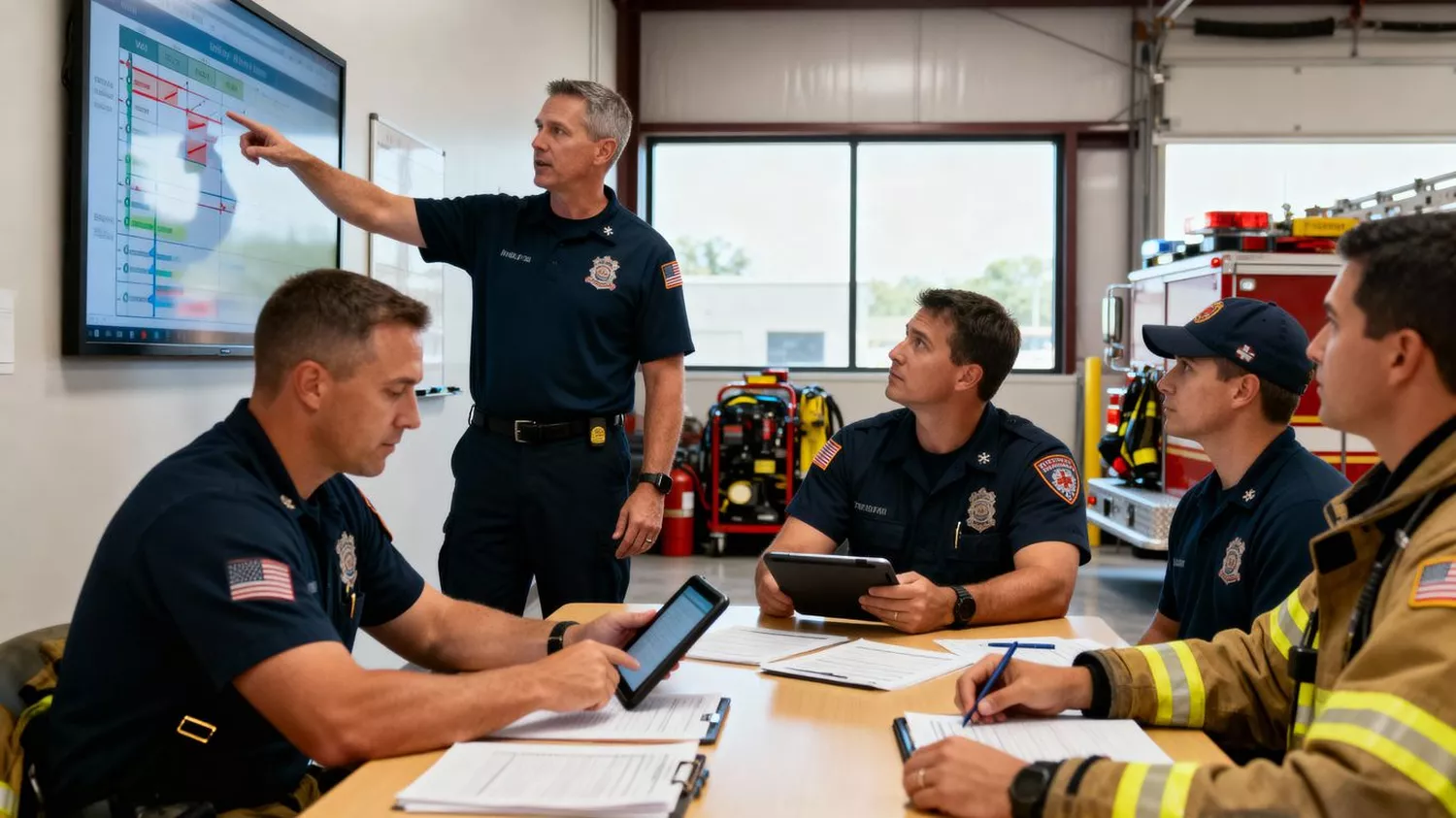
Getting your team ready for the switch to NERIS is a big part of making this whole transition work. It’s not just about learning new buttons on a screen; it’s about understanding why we’re doing this and how it helps us do our jobs better. Think of it like learning a new tool – at first, it might feel awkward, but once you get the hang of it, things get done faster and more accurately.
We need to make sure everyone, from the folks out on the street to the people back at the station handling paperwork, feels comfortable with the new system. This isn’t a one-and-done deal; it’s about building confidence and making sure the data we collect is solid.
Layered Training Approach for All Personnel
To get everyone up to speed, we’re looking at a training plan that builds knowledge step-by-step. It’s designed so that different roles get the information they need, when they need it.
- Foundation Building: We’ll start with the basics. This means everyone needs to know how to log in, find the right forms, and enter the core information correctly. We’ll use hands-on exercises so people can actually do it, not just read about it. Think of it as learning the alphabet before you write a book.
- Role-Specific Deep Dives: After the basics, we’ll break out into groups based on what people actually do. For example, officers might need to know how to add more detailed tactical information, while administrative staff might focus on report finalization and data checks. This makes the training relevant to daily tasks.
- Ongoing Support: Learning doesn’t stop after the initial sessions. We’ll have quick reference guides, maybe some short video refreshers, and a go-to person for questions. The goal is to make sure nobody feels stuck if they run into a problem.
Leadership Sessions on Strategic Benefits
For our leaders, the training will focus a bit differently. It’s important that command staff understand the bigger picture of why NERIS is important. This isn’t just about compliance; it’s about how this new system can help us make smarter decisions.
- Understanding the ‘Why’: We’ll cover how NERIS data can show us trends we couldn’t see before, like where certain types of incidents are happening more often or how long responses are taking. This information is gold for planning resources and training needs.
- Data for Decision-Making: Leaders will learn how to interpret the reports and dashboards that NERIS provides. This means being able to look at the data and say, ‘Okay, based on this, we need to adjust our training focus’ or ‘We should look at putting more resources in this area.’
- Communicating the Value: Part of the leadership training is about helping them explain the importance of NERIS to their teams. When people understand the benefits, they’re more likely to buy into the new process.
Hands-On Workshops and Scenario-Based Exercises
Reading about a new system is one thing, but actually using it is another. That’s where our workshops and scenario exercises come in. We want people to get their hands dirty, so to speak.
- Simulated Incidents: We’ll set up realistic scenarios – a structure fire, a medical call, a hazardous materials incident – and have teams walk through reporting them in the NERIS system. This helps them practice the workflow in a safe environment.
- Problem-Solving Practice: During these workshops, we’ll throw in some curveballs. What if a piece of information is missing? What if the system behaves unexpectedly? Working through these issues in a workshop setting prepares everyone for real-world challenges. You can find more information about the NERIS system.
- Feedback Loop: These sessions are also a great chance for us to get feedback. What’s confusing? What’s working well? This helps us fine-tune the training and identify any lingering issues before we’re fully live.
Leveraging NERIS for Enhanced Operations
The shift to NERIS isn’t just about meeting a new reporting standard; it’s about fundamentally changing how your agency operates. Think of it as upgrading from a flip phone to a smartphone – suddenly, you have access to a whole new world of capabilities that can make your job easier and your responses more effective. This new system provides access to information that was either unavailable or took ages to get under the old NFIRS system. This means you can make smarter decisions, faster.
Real-Time Data Analytics and Insights
One of the biggest game-changers with NERIS is the ability to see what’s happening now. Instead of waiting months for reports that tell you what happened last year, NERIS gives you data as it comes in. This near real-time information is gold for fire chiefs and EMS directors. You can see trends as they emerge, understand where resources are being used most, and get a clearer picture of the risks in your community. This kind of insight helps in planning everything from where to put new fire stations to what kind of training your crews need most. It’s about moving from guessing to knowing. For instance, understanding response patterns can help optimize resource deployment, ensuring the right equipment and personnel are available when and where they are needed most. This detailed view also helps when you’re applying for grants or explaining your budget needs to city officials; you’ve got solid numbers to back you up.
Improving Interagency Coordination
Emergency response rarely happens in a vacuum. Often, multiple agencies need to work together. NERIS makes this much smoother. Because the data is standardized and can be shared more easily, different departments and organizations can talk to each other better. This is a big deal for things like mutual aid agreements or when a large-scale incident requires a coordinated effort across different jurisdictions. When everyone is working from the same, up-to-date information, responses are quicker and more organized. This improved interoperability means less confusion and better outcomes for everyone involved. The system supports an all-hazards approach, meaning it’s designed to capture data for a wide range of incidents, not just fires, which is key for comprehensive emergency response.
Transforming Data into Strategic Decision-Making
Ultimately, all this new data is useless if it doesn’t lead to better decisions. NERIS is designed to help you do just that. The system can feed data into business intelligence tools, creating dashboards that show you key performance indicators and trends. This isn’t just for show; it’s about making informed choices for the future of your department. You can use this information to:
- Identify areas with high incident rates to focus prevention efforts.
- Analyze response times and resource allocation to find efficiencies.
- Justify budget requests with clear, data-backed evidence.
- Develop long-term strategic plans based on actual operational data.
This move from basic reporting to advanced analytics means your department can be more proactive, efficient, and ultimately, safer for the community you serve. It’s about using the information you collect to build a stronger, more responsive organization.
Addressing Challenges in the NERIS Transition
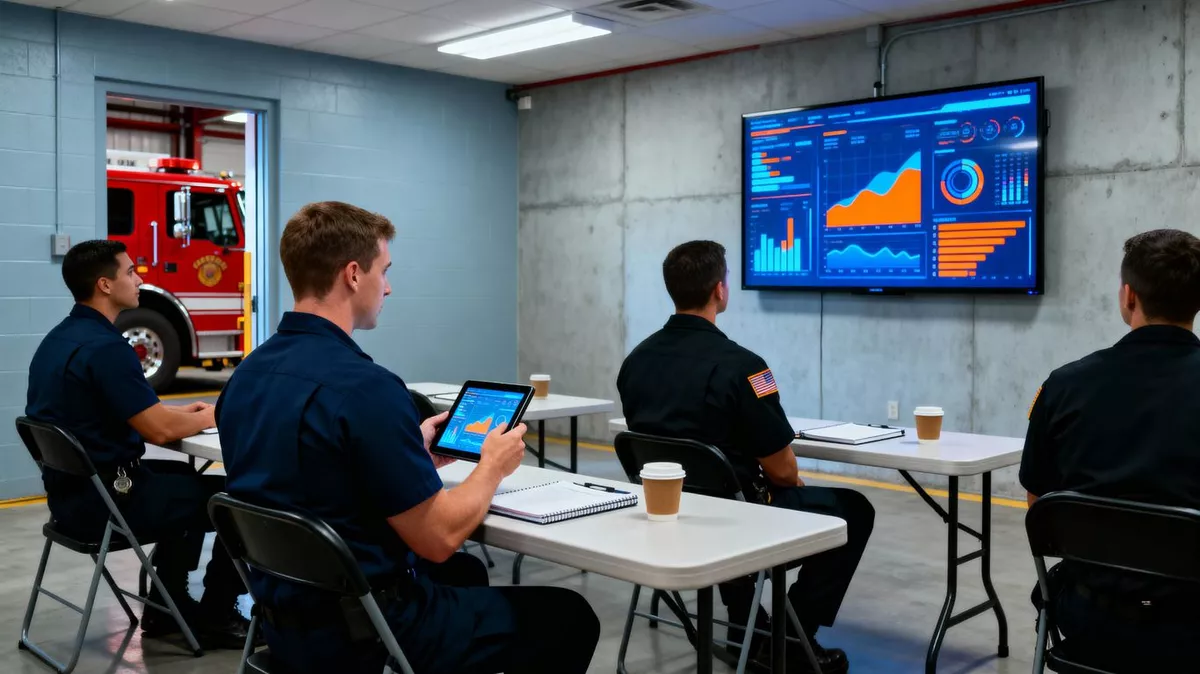
The move from NFIRS to NERIS isn’t exactly a walk in the park. Most departments are going to run into a few bumps along the road, and it’s smart to think about these ahead of time. It’s not just about getting new software; it’s about changing how you do things.
Data Migration and Workflow Alignment
One of the biggest headaches is moving all your old incident data over to the new NERIS system. You’ve got years of records, and you need to make sure they’re transferred accurately. Plus, the way you record information is changing. NFIRS was pretty straightforward, but NERIS asks for more detail, especially for different types of incidents. This means your team needs to learn new ways to fill out reports. It’s not just about entering data; it’s about making sure the data you enter fits the new NERIS structure. Think about it like this:
- Old Way (NFIRS): Basic incident details, often with delays.
- New Way (NERIS): Detailed, multi-faceted information, available much faster.
- The Gap: How to get from the old, simpler format to the new, more complex one without losing anything important.
This shift requires a close look at your current reporting procedures. Where do your existing workflows fall short for NERIS? Identifying these gaps early is key to planning how you’ll adjust. You don’t want to be scrambling to figure this out when the deadline is looming.
Managing Training Requirements for Staff
Let’s be honest, training can be tough. Your team is busy responding to calls, training for emergencies, and handling daily duties. Adding a whole new reporting system to their plate is a big ask. NERIS has different fields and requires a different way of thinking about data. For some folks, especially those who have been doing things the NFIRS way for years, it might feel like learning a new language. You’ll need a plan that covers everyone, from the newest recruit to the most experienced officer. A layered approach usually works best:
- Leadership Briefings: Make sure command staff understand why this change is happening and what the benefits are. They need to champion the new system.
- Hands-On Practice: Get everyone in front of the new software. Use real-life scenarios to show them how to enter data correctly. This is where they’ll really learn.
- Ongoing Support: Have resources available for questions after the initial training. Quick reference guides or a go-to person can make a big difference.
Getting this right means your data will be accurate, and your team won’t feel overwhelmed. It’s about building confidence with the new system.
Overcoming Software Integration Hurdles
Your Records Management System (RMS) is probably the heart of your reporting. If your current RMS isn’t ready for NERIS, you’ve got a problem. You need to make sure your vendor is on top of things and that their software is NERIS V1 Compatible. This isn’t just a minor update; it’s a significant change that requires your software to talk to the new national system correctly. Some departments might find their current vendor isn’t keeping up, which could mean looking for a new RMS altogether. That’s a huge undertaking, especially with the January 2026 deadline approaching. It’s vital to have these conversations with your software provider now. Ask them directly about their NERIS V1 compatibility and what their rollout plan looks like. Don’t wait until the last minute to find out your system isn’t ready. This kind of integration is what makes the whole NERIS system work smoothly, allowing for better data sharing and analysis across the board.
The Role of Technology in the NFRIS to NERIS Shift
The move from NFIRS to NERIS isn’t just about changing forms; it’s a big technological leap for fire and EMS departments. Think of it like upgrading from a flip phone to a smartphone – suddenly, you can do so much more. The core of this shift lies in how technology handles data. NERIS is built on a modern, cloud-based foundation, which means it can talk to other systems much more easily than the old NFIRS ever could. This is where your Records Management System (RMS) and other software become really important. You need to make sure your current RMS vendor is ready for NERIS V1. If they aren’t, you’re looking at potential headaches down the road. It’s not just about submitting reports; it’s about how data flows in near real-time. This allows for things like automated data feeds directly from your Computer-Aided Dispatch (CAD) system. Imagine incident details populating your reports automatically – that’s a huge time saver and cuts down on mistakes. Mobile accessibility is another big piece. Field crews can actually finish reports right there on scene using their tablets or phones. This means less paperwork back at the station and faster data entry. The goal is to have systems that work together, not against each other. This means looking beyond just basic NERIS compatibility. Does your software also handle EMS records well? Does it have tools for analyzing all this new data? The right technology can turn your incident reports from just a compliance task into a powerful tool for making smarter decisions about resource allocation, training needs, and community risk. It’s about leading with intelligence, not just checking boxes for compliance. Making sure your software is NERIS V1 compatible is the first step, but it’s also about choosing systems that offer advanced analytics and can integrate with other emergency response technologies. This makes your department more efficient and better prepared for whatever comes next.
Technology is a huge help when moving from old systems like NFRIS to new ones called NERIS. It makes things smoother and faster. Think of it like upgrading from a flip phone to a smartphone – everything just works better! This change helps fire and EMS teams do their jobs more effectively. Want to see how we can help your agency make this tech upgrade? Visit our website to learn more!
Looking Ahead: Embracing the NERIS Era
So, we’ve talked a lot about moving from NFIRS to NERIS. It’s a big change, no doubt about it. The deadline is coming up, January 2026, and getting ready now is key. Think of it like upgrading your tools; you want the new ones to work right from the start. NERIS offers a lot more than just updated reporting – it’s about better information, faster. This means smarter decisions on the ground and a clearer picture of what your department is doing. It might seem like a lot to take in, but by focusing on training your people and getting your systems in order, this transition can actually make things run smoother in the long run. It’s about staying current and making sure your agency has the best information to serve the community.
Frequently Asked Questions
What is NERIS and why is it replacing NFIRS?
NERIS, which stands for the National Emergency Response Information System, is a new, modern way for fire and EMS departments to report incidents. It’s replacing the older system called NFIRS. Think of NFIRS as an older computer program that worked okay for a long time, but NERIS is like a brand-new smartphone. It’s designed to handle more types of emergencies, share information faster, and give us better insights into what’s happening. The main reason for the change is that emergency response has become more complex, and we need a system that can keep up with today’s technology and needs.
When does my department have to start using NERIS?
The deadline for all fire departments to switch completely to NERIS is January 1, 2026. However, the switch isn’t happening all at once for everyone. Different regions and states are rolling out NERIS throughout 2025. It’s important to know your specific region’s timeline so you can get ready. Even though the deadline is in 2026, starting early is a really good idea to make sure everything goes smoothly.
What are the biggest differences between NFIRS and NERIS?
NERIS is a big step up from NFIRS. One major difference is that NERIS is built for ‘real-time’ information. This means data can be shared almost instantly, helping different agencies work together better during emergencies. NFIRS was more like sending in reports after the fact. NERIS also collects more detailed information about incidents, including things like EMS calls and other types of emergencies, not just fires. It’s also designed to work better with other computer systems, making it easier to share important data.
How can my department prepare for this change?
Getting ready for NERIS involves a few key steps. First, look at how your department currently reports incidents and see where it might need to change for NERIS. Second, make sure your department’s computer software (like your Records Management System or RMS) is compatible with NERIS. Talk to your software provider about this. Third, plan how you will train everyone in your department on the new system. A step-by-step plan will help make the transition less stressful.
Why is it important to adopt NERIS early?
Switching to NERIS early offers several benefits. It gives your team more time to learn the new system and get comfortable with it, which means fewer mistakes. It also helps you find and fix any problems with your software or reporting methods before the final deadline. Plus, by using NERIS sooner, your department can start taking advantage of the better data and improved teamwork that the new system provides, making your operations more efficient and effective.
What happens if my department’s software isn’t NERIS compatible?
If your current software isn’t ready for NERIS, it’s crucial to address this right away. You’ll need to work with your software vendor to see if they can update it to be ‘NERIS V1 Compatible.’ If they can’t, or if it will take too long, your department might need to look into getting new software that meets the NERIS requirements. Using software that isn’t compatible could make it impossible for your department to report incidents correctly, potentially causing problems with compliance and access to resources.