
The way fire departments report incidents is changing. A new system called NERIS is taking over from the old NFIRS. This isn’t just a small update; it’s a big shift that will affect how departments collect and use information about emergencies. Understanding NERIS is important for everyone involved in fire and emergency services.
Key Takeaways
- NERIS is replacing the older NFIRS system for fire incident reporting, bringing a more modern, cloud-based approach.
- The new NERIS system offers expanded data collection, allowing for more detailed and all-hazards reporting compared to NFIRS.
- NERIS provides real-time data exchange capabilities, which means faster access to information for better decision-making.
- Implementing NERIS involves preparing teams, checking software compatibility, and updating current reporting practices.
- Adopting NERIS can help fire departments with grant applications, improve their standing with organizations like ISO, and boost overall safety and accountability.
Understanding The NERIS Transition
The fire service is undergoing a significant change, and it’s happening faster than you might think. For decades, the National Fire Incident Reporting System (NFIRS) has been the standard for documenting what happens when fire departments respond to calls. But technology moves on, and so does the need for better data. That’s where the National Emergency Response Information System, or NERIS, comes in. It’s not just a minor update; it’s a whole new way of looking at incident reporting, designed to bring fire departments into the modern digital age. This transition is mandatory, and by January 1, 2026, all departments will need to be using NERIS. This shift is a big deal, impacting everything from how you record data to how you use that data to make important decisions.
What Is NERIS And Why Is It Replacing NFIRS?
NERIS is a new, cloud-based system that’s replacing the older NFIRS. Think of NFIRS as the system we’ve used since the 1970s – it served its purpose, but it’s built on older technology. NERIS, on the other hand, is designed for today’s needs. It’s mobile-friendly and built for real-time data exchange. Unlike NFIRS, which often had reporting delays stretching over a year, NERIS allows departments to access analytics and insights almost immediately. This means moving from just reporting what happened to understanding trends and risks in near real-time. This upgrade is a major step forward for fire departments nationwide.
The Significance Of The NERIS Reporting Shift
This isn’t just about changing software; it’s a fundamental change in how fire service data is managed. NFIRS was primarily focused on fire incidents, but NERIS is an all-hazards system. It can handle everything from EMS calls and hazardous materials incidents to technical rescues and natural disasters. The data collected is also more detailed. For example, NERIS allows for polygon mapping, which is useful for documenting incidents in areas without clear addresses, like large wildland fires. This richer data set means better information for everything from grant applications to understanding community risks.
A Timeline To Keep In Mind
The transition to NERIS is happening throughout 2025, with the final deadline for NFIRS submissions being January 31, 2026. Different regions are rolling out NERIS on their own schedules. Some states started in mid-2025, while others are scheduled for later in the year. It’s important for departments to know their specific timeline and start preparing now. This includes:
- Assessing current practices: Figure out where your current NFIRS workflows might not fit with NERIS requirements.
- Verifying software compatibility: Make sure your Records Management System (RMS) vendor is NERIS V1 Compatible. This is key for smooth data submission.
- Planning for training: Your team will need to learn the new system and its requirements.
Getting ahead of this transition is not just about meeting a deadline; it’s about gaining a strategic advantage in how your department operates and manages its data.
Key Differences Between NFIRS And NERIS
Moving from the National Fire Incident Reporting System (NFIRS) to the National Emergency Response Information System (NERIS) is a pretty big deal for fire departments. It’s not just a minor tweak; it’s a whole new way of doing things. NFIRS has been around for ages, and while it served its purpose, it was built on older technology. NERIS, on the other hand, is designed for today’s needs, bringing a lot of improvements to the table.
One of the most noticeable changes is how much more information NERIS can handle. NFIRS mostly focused on fire incidents. NERIS, however, is built for an all-hazards approach. This means it can track everything from medical calls and hazardous materials incidents to technical rescues and natural disasters. It’s a much broader scope, giving a fuller picture of what your department responds to.
Enhanced Data Scope And Granularity
NERIS really digs deeper into the details. Unlike NFIRS, which might have had more general categories, NERIS allows for more specific data points. Think about it like this: NFIRS might tell you there was a fire, but NERIS can tell you the exact type of fire, the materials involved, the suppression tactics used, and even detailed information about property loss. It also supports polygon mapping, which is super handy for documenting incidents in areas without clear street addresses, like large wildland fires or sprawling industrial sites. This level of detail is a game-changer for understanding incident patterns.
Real-Time Data Exchange Capabilities
This is a huge one. NFIRS often involved batch submissions, meaning data was collected and sent in periodically. NERIS is built for real-time data exchange. This means information can flow much more quickly between your dispatch systems (like CAD), your records management systems (RMS), and the national NERIS database. This cuts down on manual data entry, reduces errors, and makes sure everyone is working with the most current information. Getting this data quickly is important for things like grant applications, and departments must switch to reporting via NERIS incident forms by January 1, 2026.
Advanced Analytics And Insights
Because NERIS collects more detailed, real-time data, it opens the door to much more powerful analytics. While NFIRS offered basic reporting, NERIS is designed to provide deeper insights. You can analyze response times, resource allocation, and even community risk factors in ways that were difficult or impossible before. This data can help departments make smarter decisions about training, staffing, and where to focus prevention efforts. It’s about moving from just reporting what happened to understanding why it happened and how to improve future responses.
NERIS Transforms Fire Department Operations
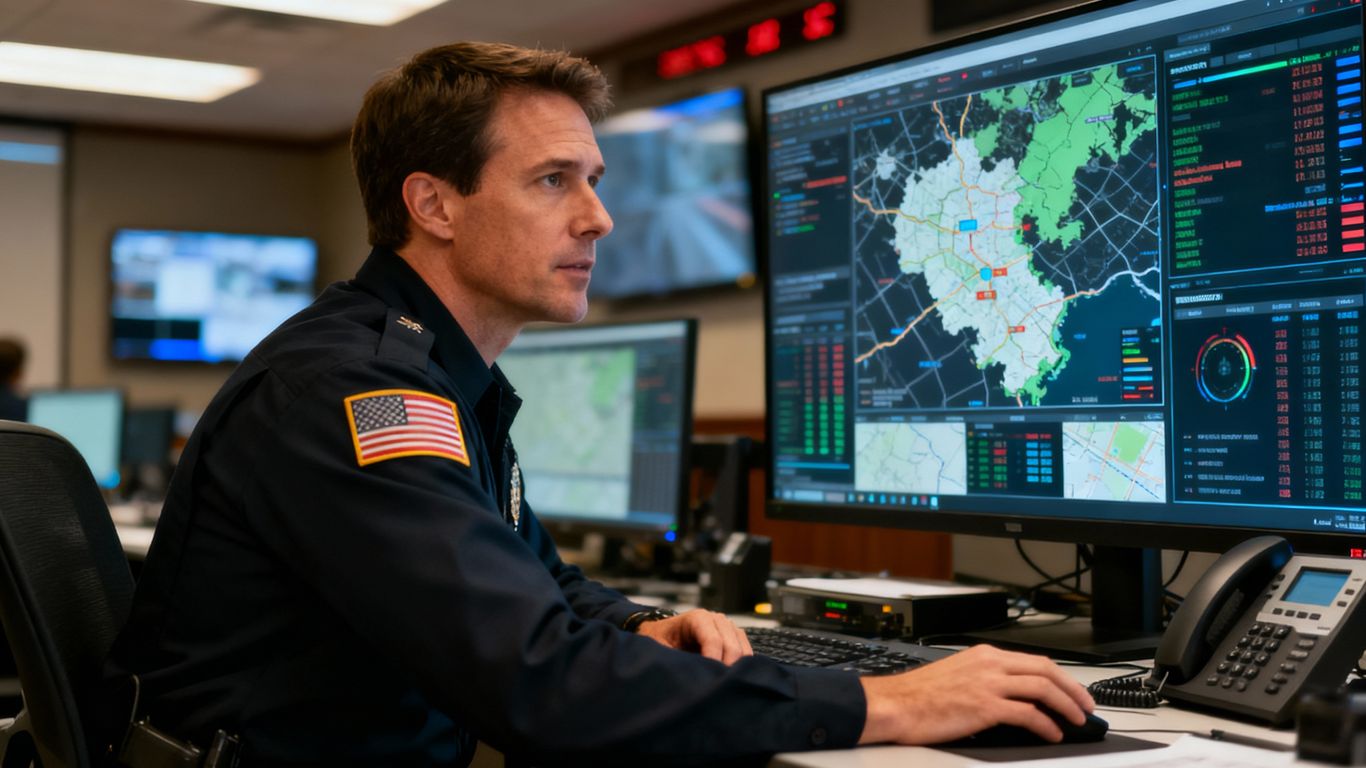
The shift from the old NFIRS system to NERIS isn’t just about updating paperwork; it’s a major change in how fire departments operate day-to-day. Think of it like upgrading from a flip phone to a smartphone – suddenly, you have access to a whole new world of capabilities that make things easier and smarter.
Operational Impact Beyond Compliance
NERIS moves departments beyond just meeting reporting requirements. It gives them tools to really understand what’s happening. Instead of just filing reports after the fact, departments can now look at data as it comes in. This means chiefs and leaders can see trends, figure out where resources are best used, and get a clearer picture of the risks in their community. This kind of insight was pretty much impossible with the old system, which often had data that was a year or more out of date. With NERIS, you get information that’s much closer to real-time, making operations more effective.
Informed Decision-Making With Real-Time Data
Having up-to-the-minute information changes everything when it comes to making important choices. Fire leaders can use the data from NERIS to decide where to put new equipment, what kind of training is most needed, or how to plan for future needs. For example, if the data shows a rise in a certain type of incident in a specific area, the department can adjust its response strategies or public education efforts accordingly. This proactive approach, driven by current data, is a big step up from reacting based on old reports. It also helps when applying for grants, as you can present a much stronger case backed by solid evidence of need and impact. You can check out the latest on the NERIS transition to see how it’s reshaping things.
Enhanced Interagency Coordination
When different agencies need to work together, having a common language for data is key. NERIS is designed to make this happen. By using standardized formats and allowing systems to talk to each other more easily, NERIS helps improve how departments share information. This is a big deal for things like mutual aid agreements, where multiple fire departments might respond to a large incident. When everyone is working from the same, consistent data, coordination becomes smoother and faster. This also extends to other emergency services, making the whole response network more connected and effective.
NERIS Reporting System Features
The NERIS reporting system is built with modern emergency response in mind, moving past the limitations of older systems. It’s designed to be more than just a way to file reports; it’s a tool to help departments operate more effectively.
Cloud-Based and Mobile-Optimized Platform
One of the biggest changes with NERIS is its foundation. Unlike older systems that might have been tied to specific computers or required clunky software installations, NERIS is cloud-based. This means you can access it from anywhere with an internet connection. Think about it: reports can be started or updated right from a tablet or smartphone while crews are still at an incident scene. This mobile-first approach cuts down on delays and makes sure information is captured while it’s fresh in everyone’s minds. It also means updates and maintenance are handled centrally, so your department always has access to the latest version without much hassle.
All-Hazards Emergency Reporting
NERIS isn’t just for fires anymore. The system is designed to handle a wide range of emergencies. This includes everything from medical calls and hazardous materials incidents to technical rescues and even natural disasters. This broad scope means departments can use a single system to document all types of events they respond to. Capturing more detailed information across all these different scenarios provides a clearer picture of the department’s overall activity and the community’s needs. This comprehensive data collection is a big step up from systems that primarily focused on fire incidents.
Integration With Critical Technologies
NERIS is built to work with other important systems that fire departments use every day. This includes things like Computer-Aided Dispatch (CAD) and Records Management Systems (RMS). By connecting these systems, data can flow more smoothly between them. For example, dispatch information can automatically populate parts of an incident report, reducing the need for manual data entry. This not only saves time but also helps to reduce errors. Having these systems talk to each other means that information is more accurate and available faster, which is key for making good decisions during and after an incident. This kind of interoperability is a major reason why NERIS is seen as a significant upgrade for fire department operations.
Preparing For NERIS Implementation
Getting ready for the switch to NERIS isn’t just about flipping a switch; it’s a process that needs careful thought and planning. Departments that get ahead of this change will find themselves in a much better position, both operationally and financially. It’s about making sure your team and your systems are ready for what’s next.
Assessing Current Reporting Practices
Before you can move forward, you need to know where you stand. Take a good, hard look at how your department currently handles incident reporting. What works well with NFIRS? What are the pain points? Identifying these areas now will help you see where the new NERIS system will fit in and where adjustments will be needed. Think about:
- Data Collection: How is information gathered now? Are there manual steps that could be automated with NERIS?
- Data Accuracy: Where do errors typically creep in? NERIS has built-in checks, but understanding your current error sources is key.
- Reporting Workflows: Who is involved in the reporting process, and what are their roles? How long does it take to get a report finalized?
- Technology Use: What software and hardware are you currently using? Are they compatible with newer systems?
This assessment isn’t just busywork; it’s the foundation for a successful transition. It helps pinpoint specific training needs and potential technology hurdles. For instance, if your current system relies heavily on paper forms, you’ll need a plan to digitize that information and train staff on new interfaces. Understanding the shift is the first step.
Ensuring Software Compatibility
Your software is the engine that drives your reporting. With NERIS, the technology landscape is changing, and not all existing systems will make the cut. It’s vital to confirm that your current Records Management System (RMS) and any other related software are NERIS V1 Compatible. This means they can communicate with the NERIS platform as required.
Here’s what to look for:
- Vendor Certification: Has your RMS vendor officially stated their software is NERIS V1 Data Exchange Compatible? This certification is a strong indicator.
- Integration Capabilities: Does the software support modern APIs for data exchange? NERIS relies on these connections to function smoothly with systems like Computer-Aided Dispatch (CAD).
- Update Timelines: If your current software isn’t compatible, what is the vendor’s plan for an update? When will it be available, and what will it cost?
If your vendor can’t provide a clear path to NERIS compatibility, you might need to start looking at replacement options sooner rather than later. This is especially important because starting January 1, 2026, all fire incident reporting will be exclusively through NERIS. Waiting too long could mean you’re scrambling to meet federal requirements, potentially impacting grant funding.
Training Your Team For Success
Even the best software is only as good as the people using it. A smooth transition to NERIS hinges on your team’s ability to use the new system effectively. This means more than just a quick tutorial; it requires a well-thought-out training program.
Consider these training elements:
- Role-Based Training: Different team members will have different needs. Incident commanders might need to know how to quickly log initial details from a mobile device, while administrative staff will need to understand the full reporting suite.
- Hands-On Practice: Theoretical training is one thing, but practical application is another. Provide opportunities for staff to work with the system in a test environment before going live.
- Ongoing Support: The learning doesn’t stop after the initial rollout. Offer refresher courses and continuous support to address questions and adapt to any system updates.
Many departments are finding that specialized training programs, often provided by their software vendors, can make a significant difference. These programs are designed to cover the specifics of NERIS and how it integrates with their particular platform, making the learning curve much gentler. Getting your team comfortable and confident with NERIS now will pay dividends in accurate reporting and operational efficiency down the road.
Benefits Of Adopting NERIS
Switching to the National Emergency Response Information System (NERIS) brings a lot of good things for fire departments, going way beyond just meeting new rules. It’s about making your department work better and smarter.
Strengthening Grant Applications
Getting money for your department can be tough, and grant applications are a big part of that. NERIS gives you the kind of detailed information that makes your case much stronger. Instead of just saying “we responded to X calls,” you can show exactly what happened, how quickly you responded, and what the outcome was. This kind of data-driven proof is exactly what grant reviewers are looking for. It helps justify why you need the funds and shows you’re using resources effectively. For example, you can use the analytics to show a pattern of specific types of incidents in your area, which directly supports a request for specialized equipment or training. This level of detail can make your application stand out from the crowd.
Improving ISO Ratings
Your department’s Public Protection Classification (PPC), often called an ISO rating, directly impacts insurance costs for your community. A better rating means lower premiums for homeowners and businesses. NERIS helps improve these ratings by providing clear evidence of your department’s capabilities and operational readiness. The system allows you to document response times, equipment effectiveness, and training levels in a way that ISO evaluators can easily understand and verify. When your department can demonstrate strong performance metrics through accurate, comprehensive reporting, it positively influences your PPC score. This not only benefits the community financially but also reflects well on the department’s overall effectiveness and preparedness.
Enhanced Safety and Accountability
Beyond compliance and funding, NERIS significantly boosts safety for both your firefighters and the community. Detailed incident reports help track exposure to hazardous materials, which is vital for workers’ compensation claims and long-term health monitoring. If a firefighter develops an illness years down the line, having a clear record of their exposures can be incredibly important. Similarly, keeping good records on equipment maintenance shows that you’re taking proper care of your gear. If a piece of equipment fails during an emergency, these records can be critical in understanding what happened and defending against liability. Furthermore, tracking firefighter certifications and training ensures that the right people are responding to specialized incidents, and it helps identify areas where team members can grow, which can improve retention and build a more skilled workforce. This focus on detailed record-keeping creates a safer environment and a more accountable department [c3a6].
Switching to NERIS can really help your team. It makes things smoother and easier to manage. Imagine less paperwork and more time for what matters most. Ready to see how NERIS can make a difference for you? Visit our website today to learn more!
Wrapping Up: What NERIS Means for Fire Departments
So, that’s the rundown on NERIS. It’s a pretty big change from the old NFIRS system, moving things to the cloud and making data available much faster. Think of it like upgrading from an old flip phone to a smartphone – it does a lot more, and it does it quicker. For fire departments, this means better information for making decisions, applying for grants, and working with other agencies. It’s not just about filling out forms anymore; it’s about using that information to do the job better and keep communities safer. Getting ready for this switch is key, so start looking into how your current systems will work with NERIS. It’s a step forward for emergency response, and getting on board now will make things smoother down the road.
Frequently Asked Questions
What exactly is NERIS and why is it taking the place of NFIRS?
NERIS, which stands for the National Emergency Response Information System, is a new, modern way for fire departments to report incidents. It’s replacing the old system, NFIRS, which has been around for a long time. NERIS is designed to be easier to use, collect more detailed information, and work better with today’s technology, helping departments understand emergencies more clearly and respond more effectively.
How is NERIS different from the old NFIRS system?
Think of NFIRS as an older notebook and NERIS as a new, smart tablet. NERIS can collect more types of information, not just fires but all kinds of emergencies. It also allows for real-time updates, meaning information gets shared much faster, and it offers better tools to analyze what’s happening, which NFIRS couldn’t do as well.
When will fire departments have to start using NERIS?
The switch to NERIS is happening gradually throughout 2025. Most departments will get ready and start using it by the end of 2025, with the old NFIRS system completely stopping by January 1, 2026. It’s important for departments to prepare ahead of time.
What are the main benefits of using NERIS for fire departments?
NERIS helps departments in several ways. It makes reporting easier and provides better insights into community risks and how to respond. This improved data can help departments get more funding through grants, potentially lower insurance ratings for the community, and generally make operations safer and more efficient.
Does NERIS mean departments have to buy all new software?
Not necessarily. Many existing software providers are updating their systems to be compatible with NERIS. Departments need to check with their current software company to make sure it will work with NERIS. The key is that the software must be certified as ‘NERIS V1 Compatible’.
How does NERIS help departments make better decisions?
Because NERIS provides faster and more detailed information, leaders can see what’s really going on right away. This helps them decide where to send resources, what kind of training is most needed, and how to plan for the future based on real, up-to-date facts, rather than old reports.
