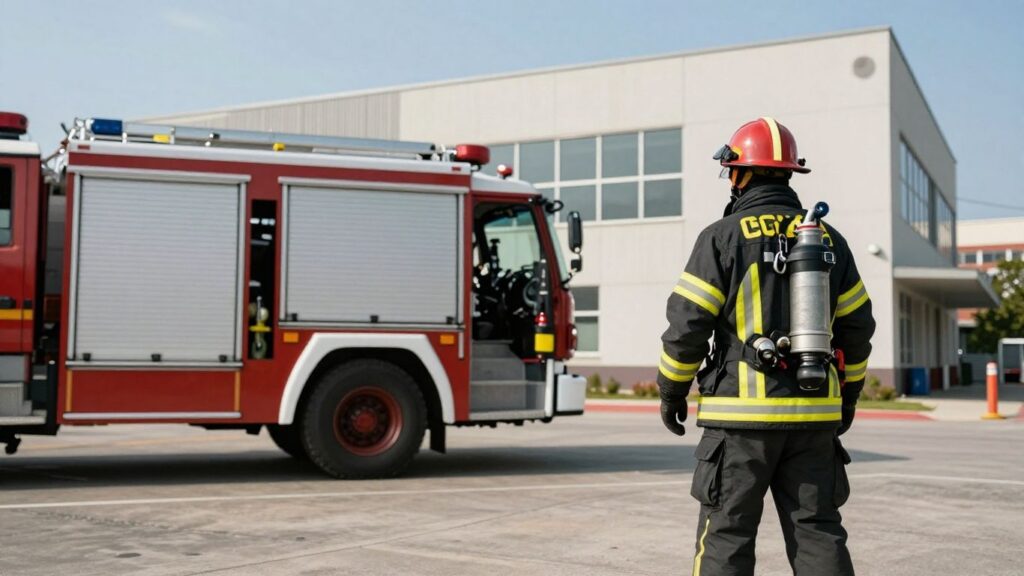
The fire service is undergoing a big change with the introduction of NERIS, the National Emergency Response Information System. This new system is set to replace the old NFIRS, which has been around for a long time. It’s a pretty big deal, and getting ready for NERIS compliance is something every fire department needs to think about. We’ll look at what NERIS is all about, why it’s important, and how your department can make sure it’s ready.
Key Takeaways
- Fire departments must switch from NFIRS to NERIS reporting by January 1, 2026, a major shift after decades with the old system.
- This change is happening nationwide throughout 2025, so departments need to start getting ready now and check with their software providers.
- NERIS offers real-time data and better ways for different agencies to share information, unlike the older NFIRS.
- Having the right software that works with NERIS is really important to avoid problems with reporting and data.
- Getting a head start on training and planning for NERIS can help departments avoid last-minute issues and operate more smoothly.
Understanding The NERIS Transition
The fire service is undergoing a significant shift, and it’s important for departments to get a handle on what’s happening. We’re talking about the move from the old National Fire Incident Reporting System (NFIRS) to the new National Emergency Response Information System, or NERIS. This isn’t just a minor update; it’s a big change that’s been a long time coming. Think of it as upgrading from an old flip phone to a smartphone – suddenly, you can do so much more.
What Is NERIS and Why Is It Replacing NFIRS?
NERIS is a modern, cloud-based system designed to collect and manage emergency response data. It’s meant to replace NFIRS, which has been around for decades but has some serious limitations in today’s world. NFIRS often meant long delays in getting data processed, making it hard for departments to use that information for immediate decision-making. NERIS, on the other hand, aims for near real-time data submission and analysis. This means fire chiefs and other leaders can get a clearer picture of what’s happening in their communities much faster. The U.S. Fire Administration is leading this transition, with a goal for all departments to be fully compliant by January 1, 2026. This move is about bringing fire reporting into the digital age, allowing for better insights and more responsive operations. It’s a move that impacts roughly 27,000 fire and EMS departments nationwide.
Key Differences Between NFIRS and NERIS Reporting
The differences between NFIRS and NERIS are pretty substantial. NFIRS was primarily focused on fire incidents, but NERIS is designed as an "all-hazards" system. This means it can handle data from EMS responses, technical rescues, hazardous materials incidents, and even natural disasters, not just fires. NERIS also emphasizes interoperability, meaning data can be shared more easily between different agencies and systems. This is a big deal for coordinating responses, especially during large-scale events. Another major difference is the speed of data availability. While NFIRS reports could take over a year to become useful, NERIS provides data in near real-time. This allows for quicker analysis of trends, resource allocation, and strategic planning.
Here’s a quick look at some key distinctions:
- Scope: NFIRS mainly covered fire incidents; NERIS covers all hazards (fire, EMS, hazmat, etc.).
- Data Speed: NFIRS had significant reporting delays; NERIS offers near real-time data.
- Technology: NFIRS is based on older infrastructure; NERIS is cloud-based and mobile-friendly.
- Interoperability: NFIRS had limited data sharing; NERIS is built for better integration.
The Mandatory Timeline For NERIS Compliance
Getting compliant with NERIS isn’t something departments can put off. The deadline is January 1, 2026, and the rollout is happening throughout 2025. Different regions are on different schedules, so it’s important for your department to know when its specific transition period is. For example, some states started their rollouts in July 2025, while others are scheduled for later in the year. After January 1, 2026, the old NFIRS system will no longer be available for reporting. There’s also a final deadline of January 31, 2026, for submitting or editing any remaining NFIRS records from 2025. Departments need to be aware of these dates and plan accordingly to avoid any last-minute issues. Getting ahead of this timeline can provide a real advantage in managing the transition smoothly and ensuring your data is accurate and accessible when you need it most. You can find more information about the specific rollout schedules on the US Fire Administration website.
Navigating NERIS Compliance Challenges
Moving from NFIRS to NERIS isn’t just a simple software update; it’s a big change that can bring some hurdles. Fire departments need to be ready for these potential bumps in the road to make sure everything goes smoothly.
Addressing Data Migration And Integration Hurdles
One of the first big challenges is getting your old data into the new NERIS system. Think about all the incident reports your department has collected over the years. Moving all that information accurately is a huge task. It’s not just about copying files; it’s about making sure the data is formatted correctly for NERIS. If this isn’t done right, you could lose important historical information, which might be needed for future analysis or legal reasons. Plus, getting NERIS to talk nicely with your existing computer systems, like your Computer-Aided Dispatch (CAD) or Records Management System (RMS), can be tricky. If your current software isn’t built to connect with NERIS, you might face delays or need to invest in new technology. It’s important to check if your RMS vendor is NERIS compatible early on.
Overcoming Training Requirements For Personnel
Then there’s the training aspect. Everyone in the department, from the chief down to the newest recruit, will need to know how to use the new NERIS system. This means learning new screens, understanding different data fields, and adapting old ways of doing things. For departments with many volunteers or limited administrative staff, finding the time and resources for thorough training can be tough. It’s not just a one-time thing either; ongoing training will be needed as the system evolves. Making sure everyone is comfortable and proficient with NERIS is key to accurate reporting and avoiding mistakes.
Ensuring RMS Vendor NERIS Compatibility
Your Records Management System (RMS) is the heart of your department’s data. If it can’t connect with NERIS, you’re going to have problems. Many departments are finding that their current RMS software isn’t ready for NERIS. This means they either need to get a significant update from their vendor or, in some cases, look for a completely new system. Verifying that your RMS vendor has achieved NERIS V1 certification is a critical step. Without this, you risk data entry errors, submission issues, and falling out of compliance. It’s a good idea to:
- Confirm your current RMS vendor’s NERIS V1 certification status.
- Understand the timeline for any necessary software upgrades or replacements.
- Test the integration between your RMS and NERIS thoroughly before the mandatory deadline.
Getting these challenges sorted out early will make the transition to NERIS much smoother for everyone involved.
Leveraging NERIS For Enhanced Operations
Real-Time Analytics And Improved Decision-Making
Moving to NERIS means fire departments get access to data much faster than before. Think of it like this: NFIRS was like getting your monthly bank statement a year late. You knew what happened, but it was too late to change anything. NERIS, on the other hand, is like having your bank account updated in real-time. This means fire chiefs and leaders can see what’s happening right now and make smarter choices about where to put resources, what training is most needed, and how to plan for the future. This kind of up-to-the-minute information is a game-changer for making sure the department is running as efficiently as possible.
Strengthening Grant Applications With Data
Getting grants can be tough, and they often want to see solid proof that your department needs the money and how you’ll use it effectively. NERIS helps with this a lot. Instead of just saying "we respond to a lot of fires," you can use the detailed data from NERIS to show specific trends. For example, you could show data on response times to certain types of incidents in particular neighborhoods, or how often your equipment is used. This kind of specific, data-backed information makes your grant applications much stronger and more convincing to whoever is reviewing them. It shows you’ve done your homework and have a clear plan.
Enhancing Interagency Coordination Through Data
Fire departments don’t work alone. They often team up with other agencies, like EMS, police, or even departments in neighboring towns for mutual aid. NERIS makes this teamwork smoother. Because everyone is using a similar system and format for reporting data, it’s easier to share information quickly and accurately. This means when a big incident happens that involves multiple agencies, everyone has a clearer picture of what’s going on. This shared understanding helps coordinate responses better, making sure everyone is on the same page and working together effectively to protect the community.
Preparing Your Department For NERIS
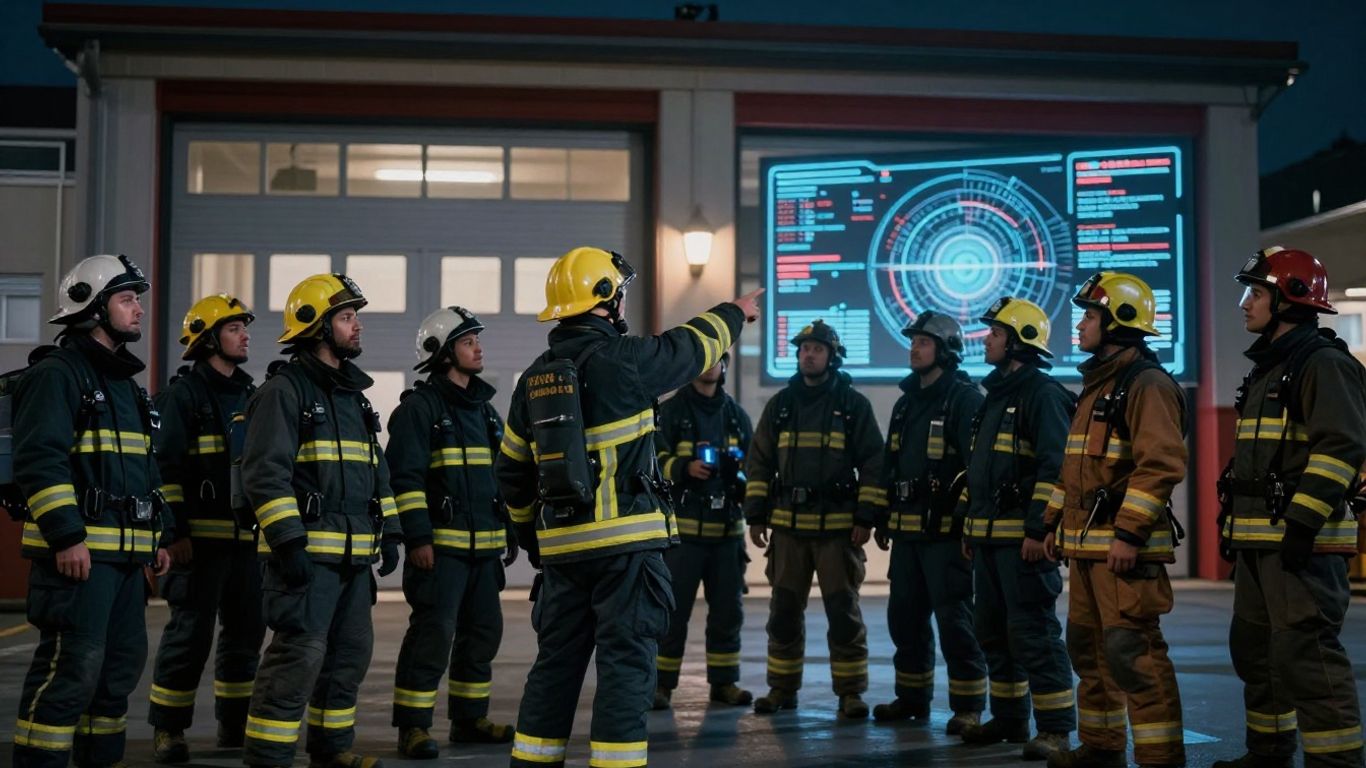
Getting your fire department ready for the National Emergency Response Information System (NERIS) involves a few key steps. It’s not just about updating software; it’s about rethinking how you handle information. Think of it like getting ready for a big move – you need to pack, sort, and make sure you know where everything is going.
Essential Steps For Successful NERIS Implementation
Making sure your department is set for NERIS means tackling a few important tasks. It’s a good idea to start early so you’re not scrambling later. Here’s a breakdown of what needs to happen:
- Assess Your Current Systems: Take a good look at how you currently collect and store incident data. Where are the weak spots? What information is hard to get? This assessment helps you see what needs to change to meet NERIS requirements. You’ll want to identify any gaps between your current practices and what NERIS demands.
- Plan Your Data Migration: You’ve got years of historical data. You need a solid plan for moving that information into the new NERIS-compatible system. This isn’t just copying files; it’s about making sure the data is accurate, complete, and in the right format for the new system. A poorly planned migration can lead to lost information or incorrect reports.
- Confirm Software Compatibility: This is a big one. Your current Records Management System (RMS) or other software needs to work with NERIS. You’ll need to check if your vendor has a NERIS V1 certification. If they don’t, you might need to look into new software, which adds another layer of planning and cost. It’s important to get this sorted out well before the mandatory deadline check vendor status.
- Develop a Training Strategy: Your team needs to know how to use the new system. This means creating training programs that cover everything from basic data entry to more advanced reporting features. Training should be ongoing, not just a one-time event, to keep everyone up to speed with any updates.
Designating Key Personnel For NERIS Administration
Having the right people in charge of the NERIS transition is super important. Since NERIS doesn’t give state fire marshal offices direct access to your department’s profile like NFIRS did, your internal team needs to be ready to manage things. You should pick at least one primary person and a backup to handle the administrative side of NERIS.
These individuals will be the go-to people for:
- Overseeing the implementation process.
- Managing user accounts and permissions.
- Troubleshooting any issues that come up.
- Staying informed about NERIS updates and changes.
- Coordinating with your software vendor.
This ensures continuity and that your department has consistent internal support for the new system.
Conducting Comprehensive Workflow Assessments
Before you fully switch over, it’s smart to look closely at your department’s daily routines and how they involve data reporting. Think about how calls come in, how reports are filled out in the field, and how that information gets processed. You need to figure out where your current workflows might clash with NERIS requirements.
For example, if your current process involves a lot of manual data entry that could be automated with NERIS, you’ll want to identify that. Or, if certain data points required by NERIS aren’t currently collected, you’ll need to adjust your field reporting procedures. This assessment helps you make targeted changes to your operations, making the transition smoother and more efficient. It’s about making sure your day-to-day work aligns with the new system’s demands.
Software Solutions For NERIS Reporting
Critical Software Requirements For NERIS Compliance
Getting your department ready for NERIS means looking closely at the software you use. It’s not just about having a system; it’s about having one that can actually talk to the new NERIS platform. The main thing is that your software needs to be NERIS V1 certified. This certification means it’s been tested and can do the basic jobs NERIS needs, like sending and updating incident information through the NERIS API. Think of it like getting a special key that lets your system into the NERIS building.
Beyond just being certified, the software should make things easier. It’s a big help if it can pull information straight from your Computer-Aided Dispatch (CAD) system. This cuts down on typing things in twice and reduces mistakes. Also, the software should check your data as you enter it, flagging errors right away. This way, you catch problems before they become compliance headaches. Mobile access is another big plus. If your crews can fill out reports on tablets or phones right after an incident, the data gets in faster and is more accurate. It’s all about making the reporting process smoother and more reliable.
Benefits Of NERIS-Compatible Records Management Systems
Using a Records Management System (RMS) that’s built for NERIS brings a lot of good things to the table. For starters, it helps you get your data submitted on time, every time. This is super important because late reports can cause problems with federal grants and other funding. Plus, these systems often have built-in tools that let you look at your data in new ways. You can see trends, figure out where you might need more resources, or understand community risks better. This kind of information is gold for making smart decisions about training, equipment, and how you respond to calls.
These systems can also make your grant applications much stronger. Instead of just saying ‘we responded to X calls,’ you can show detailed data about response times, types of incidents, and resource use. This makes your case for funding much more convincing. And let’s not forget about your ISO rating. Better, more complete reporting can actually help improve your community’s Public Protection Classification score, which can lead to lower insurance rates for residents. It’s a win-win for the department and the community.
Choosing A NERIS V1 Certified Software Provider
When you’re picking a software provider for NERIS reporting, there are a few things to keep in mind. First, and most importantly, make sure they have that NERIS V1 certification. Don’t just take their word for it; check for official confirmation. Ask them about their plan for supporting NERIS long-term. Will they keep updating the software as NERIS changes?
Think about how well their system will work with what you already have. Does it connect easily with your CAD system? Does it offer mobile capabilities for your crews? Also, consider the support they provide. Transitioning to a new system can be tricky, so you want a vendor that offers good training and is there to help when you have questions. It’s a good idea to ask for a demo and talk to other fire departments that are already using their software. Getting a feel for the user experience and the vendor’s reliability is key to making the right choice. You want a partner, not just a software seller.
Maximizing Benefits Through NERIS Adoption
Moving to NERIS isn’t just about meeting new rules; it’s about making your department work better. When you get your data sorted and flowing correctly, good things start to happen. You can actually see what’s going on, make smarter choices, and even get more help when you need it.
Improving ISO Ratings With Comprehensive Reporting
Getting a better score from the Insurance Services Office (ISO) can really help your community. When your department has detailed and accurate reports, especially ones that show how well you respond to different kinds of emergencies, it makes a difference. ISO looks at how prepared and effective a fire department is. NERIS helps you gather all that information, showing things like response times, the types of incidents you handle, and how well your resources are used. This kind of detailed picture can lead to a better ISO Public Protection Classification, which can lower insurance costs for homeowners and businesses in your area. It’s a win-win: your department looks good, and the community saves money.
Achieving Operational Efficiency With Modern Data Tools
Think about how much time is spent filling out reports. NERIS, especially when paired with a good Records Management System (RMS), can cut down on a lot of that busywork. Instead of manually entering the same information over and over, systems can pull data from your dispatch (CAD) or other sources automatically. This means less chance of mistakes and more time for your team to focus on actual emergencies or training. Plus, having data available in near real-time means you can see what’s happening right now, not weeks or months later. This helps you manage your crews and equipment more effectively on a day-to-day basis.
Ensuring Long-Term Safety And Accountability
Accurate records are more than just for compliance; they’re about protecting everyone involved. NERIS helps you keep track of important details that can be vital down the line. For instance, tracking firefighter exposure to hazardous materials is important for their long-term health and for handling workers’ compensation claims if issues arise. Detailed maintenance logs for your equipment show you’re taking good care of it, which is important if something goes wrong during a call. It also helps you keep tabs on who is trained for what, making sure the right people are on the right calls and helping you plan for future training needs. This all adds up to a safer department and a more accountable operation.
Discover how embracing NERIS can truly boost your operations. It’s a smart way to get more out of your systems and make things run smoother. Ready to see the difference for yourself? Visit our website to learn more and schedule a chat!
Moving Forward with NERIS
So, that’s the rundown on NERIS and why it’s a big deal for fire departments. It’s definitely a shift from the old ways, but the move to real-time data and better insights seems like a good thing for everyone involved. Getting compliant by the January 2026 deadline is key, and that means checking in with your software providers now and getting your team ready. It might seem like a lot, but taking these steps early can make a huge difference in how smoothly everything goes. Staying on top of these changes will help departments keep doing their important work effectively.
Frequently Asked Questions
What is NERIS and why is it replacing NFIRS?
NERIS, which stands for the National Emergency Response Information System, is a new, modern way for fire departments to report important information about emergencies. It’s replacing the older system called NFIRS, which has been around for a very long time. Think of NERIS as a super-powered upgrade. It’s designed to be easier to use, faster, and can share information much better than the old system. This helps everyone involved in emergency response make smarter decisions.
When do fire departments need to start using NERIS?
The switch to NERIS is happening throughout 2025, with all departments needing to be fully compliant by January 1, 2026. This means that by the start of 2026, all emergency reports must be submitted using the NERIS system, and the old NFIRS system will no longer be used. It’s important for departments to start preparing now to make sure they are ready on time.
What are the main differences between NFIRS and NERIS?
The biggest difference is that NERIS is built for today’s technology. Unlike NFIRS, which could take a long time to get updated information, NERIS provides data almost instantly. This means fire chiefs can see what’s happening right away and make quicker decisions. NERIS also allows for more detailed reporting on all types of emergencies, not just fires, and makes it easier for different agencies to share information.
What challenges might fire departments face when switching to NERIS?
Switching to a new system can be tricky. Some departments might find it hard to move their old information over to the new NERIS system. Also, everyone in the department will need to learn how to use the new system, which takes time and training. Another challenge is making sure their current computer software works well with NERIS. If their software isn’t compatible, they might need to update or change it.
How can NERIS help fire departments do their jobs better?
NERIS isn’t just about reporting; it’s about using information to improve. With faster data, departments can understand community risks better, see where they need more resources, and plan for the future more effectively. This better information can also help departments apply for important grants and can even lead to better ratings that can lower insurance costs for the community.
What should fire departments do to get ready for NERIS?
First, departments should check if their current software is ready for NERIS. They also need to make sure their staff gets proper training on the new system. It’s a good idea to assign specific people to be in charge of managing the NERIS system within the department. Finally, looking closely at how they currently do things and figuring out how those steps will change for NERIS is crucial for a smooth move.