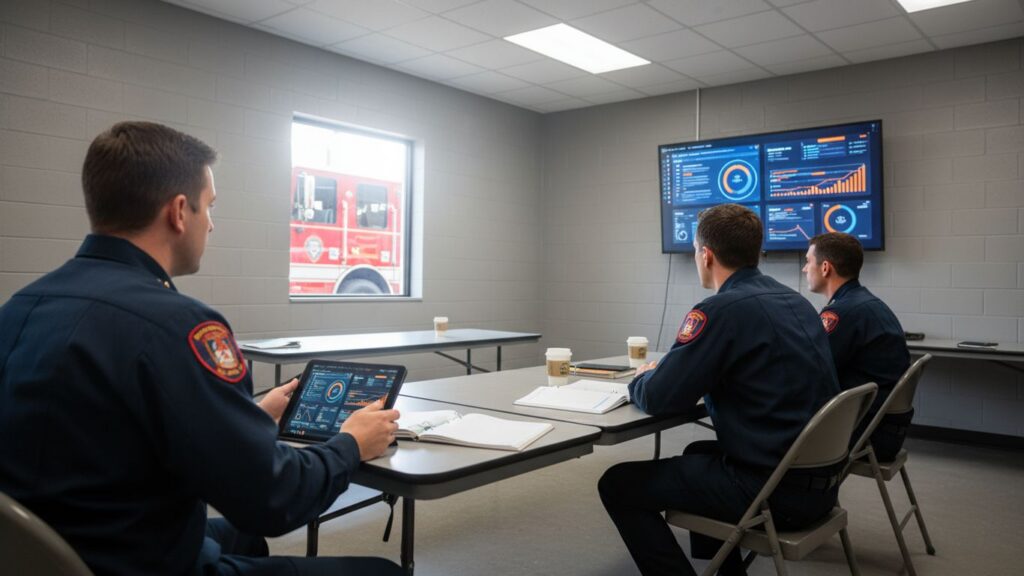
The National Emergency Response Information System (NERIS) is changing how fire and EMS agencies handle incident data. This move from the older NFIRS system is a big deal, and getting ready for it now is important. We’ll look at what NERIS means for your agency and how to make this change go smoothly. This guide will help your team understand the shift and prepare for the NERIS transition.
Key Takeaways
- Fire departments must switch from NFIRS to NERIS reporting by January 2026. This is a major change for how data is managed.
- The NERIS transition is happening across the country throughout 2025, so agencies need to start preparing now and check their software.
- NERIS provides real-time data analysis and better ways for different agencies to share information, unlike the old NFIRS system.
- Using software that is compatible with NERIS V1 is important for sending data correctly and following the new rules.
- Getting ready early helps avoid problems with operations by planning for training, moving data, and testing systems before the deadline.
Understanding The NERIS Transition
The world of emergency response data is changing, and fire and EMS agencies need to get ready. For decades, the National Fire Incident Reporting System (NFIRS) has been the standard for collecting information about incidents. But things are moving forward. The National Emergency Response Information System, or NERIS, is here to replace NFIRS. This isn’t just a small update; it’s a big shift in how we handle emergency data.
NFIRS Versus NERIS: Key Differences
NFIRS has been around for a long time, and while it served its purpose, it has some limitations. It often involved delayed reporting, sometimes taking over a year to get data processed. This meant that decisions were often based on old information. NERIS, on the other hand, is built for today’s needs. It’s a cloud-based system that allows for near real-time data submission and analysis. Think of it as going from a flip phone to a smartphone – both make calls, but one does so much more, so much faster.
Here’s a quick look at some of the main differences:
- Data Speed: NFIRS had significant delays; NERIS offers real-time or near real-time data.
- Scope: NFIRS primarily focused on fire incidents. NERIS is designed for all-hazards reporting, including EMS, hazmat, and technical rescues.
- Technology: NFIRS uses older technology. NERIS is cloud-based, mobile-friendly, and built for better integration.
- Analytics: NFIRS offered limited analytical capabilities. NERIS provides advanced business intelligence tools for better decision-making.
The Evolving Landscape of Emergency Response Data
Emergency response isn’t static, and neither is the data that tracks it. As incidents become more complex and agencies need to coordinate across different jurisdictions, the demand for accurate, timely, and shareable data grows. NERIS is designed to meet these evolving needs. It’s not just about filling out forms anymore; it’s about using data to understand risks, improve resource allocation, and ultimately, save more lives. This new system aims to make information flow more smoothly between different parts of the emergency response ecosystem, from dispatch centers to state and federal agencies. Having access to this kind of information can really help with grant applications.
NERIS: A Foundation for Modernized Operations
Moving to NERIS is more than just a reporting requirement; it’s an opportunity to modernize your agency’s operations. The system’s focus on real-time data and advanced analytics means you can make smarter decisions faster. This can lead to better resource deployment, more effective training programs, and a clearer picture of the risks your community faces. By adopting NERIS, your agency can become more efficient, more coordinated, and better prepared for whatever comes your way. It’s about building a stronger foundation for emergency response in the years to come.
Preparing Your Agency for NERIS
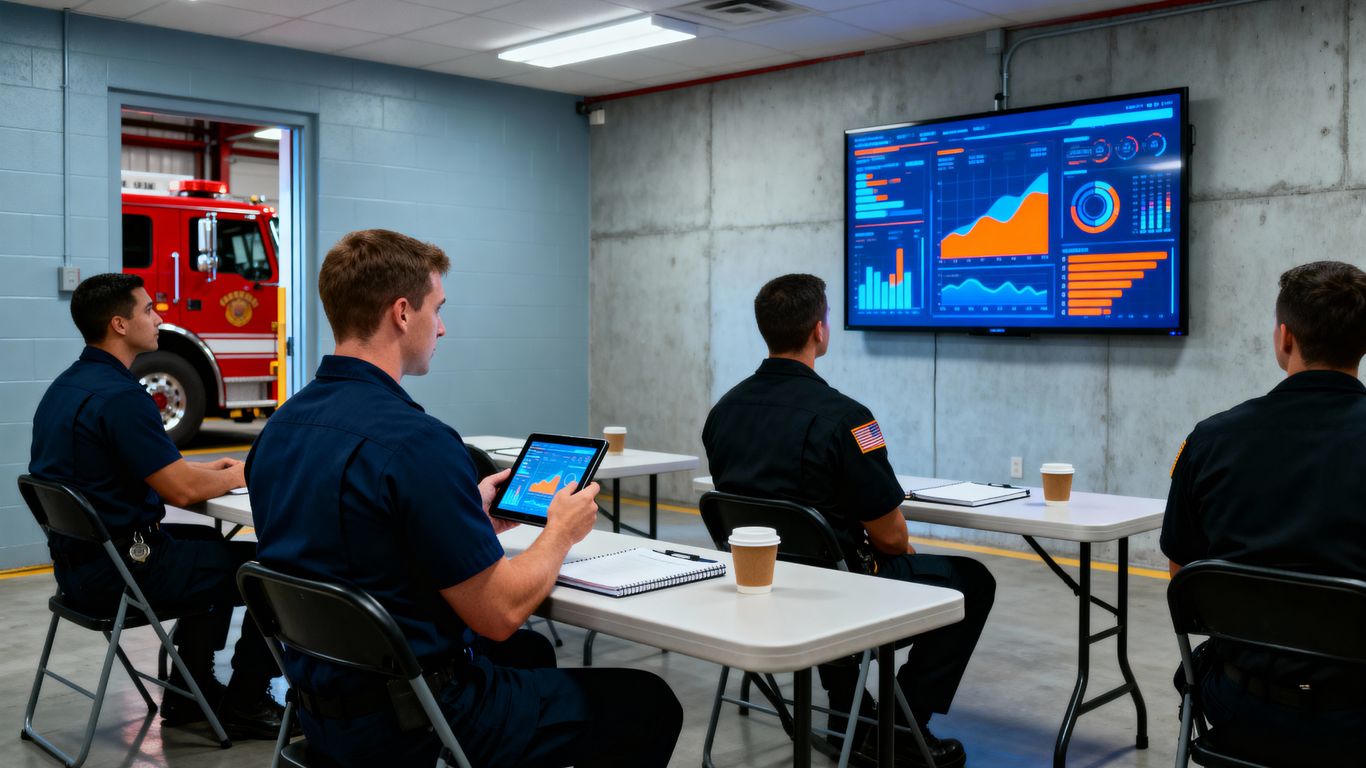
Getting ready for the switch to NERIS isn’t just about flipping a switch; it’s a process that needs careful thought and planning. Think of it like getting ready for a big event – you wouldn’t just show up without preparing, right? This transition from NFIRS to NERIS is similar, and doing the groundwork now will make things much smoother down the road. Fire departments should prepare for the 2026 transition to NERIS reporting. EPR Fireworks provides essential insights and strategies to help departments navigate this change effectively. This change is a big deal for how we handle emergency data.
Assessing Current Reporting Practices
Before you can move forward, you need to know where you stand. Take a good look at how your department currently handles incident reports. What works well? What’s a pain point? You’ll want to figure out where your current methods might not line up with what NERIS will require. This isn’t about finding fault; it’s about identifying areas that will need attention. Think about:
- Data fields: Are you collecting all the information NERIS will ask for? Are there new fields you’ll need to start tracking?
- Workflows: How does information move from the field to the final report? Are there steps that could be streamlined or changed?
- Technology: What software are you using now? Is it compatible with NERIS, or will you need an upgrade or a new system?
Understanding these points will help you see what needs to change and how much effort will be involved.
Developing A Comprehensive Transition Plan
Once you know what needs to be done, it’s time to make a plan. This plan should be a roadmap for your agency. It needs to cover the timeline, who’s responsible for what, and what resources you’ll need. A good plan will include:
- Timeline: Map out key dates, including when you need to start training, when you’ll test new systems, and the final deadline for NFIRS reporting. Remember, state rollouts are happening throughout 2025, so your agency will have a specific window.
- Roles and Responsibilities: Assign specific people to manage different parts of the transition. This could include a point person for NERIS, someone to oversee training, and IT support.
- Budget: Figure out the costs associated with new software, training, and any potential overtime for staff.
- Risk Management: What could go wrong? Think about potential data migration issues or training challenges and have backup plans in place.
Having a detailed plan helps keep everyone on the same page and reduces the chances of unexpected problems.
Establishing Internal Communication Channels
Change can be unsettling, especially for those on the front lines. Open and honest communication is key to making sure everyone in your department feels informed and supported. You need to create ways for people to ask questions, share concerns, and get updates.
- Regular Updates: Keep your team informed about the progress of the transition through meetings, emails, or a dedicated internal notice board.
- Feedback Mechanisms: Set up a way for staff to provide feedback or ask questions without fear of judgment. This could be a suggestion box, a dedicated email address, or regular Q&A sessions.
- Leadership Buy-in: Make sure that leadership is visibly supporting the transition and communicating its importance. When leaders are on board, it encourages others to be as well.
Good communication builds trust and helps your team adapt more easily to the new system.
Empowering Your Team Through Training
Transitioning to NERIS means your team needs to feel good about using the new system. It’s not just about the software; it’s about making sure everyone, from the folks in the office to the crews on the street, knows what they’re doing. When people are trained well, they’re more confident, and that means fewer mistakes and smoother operations.
Tailored Training Programs for All Personnel
We know that not everyone on your team has the same job, so why should their training be the same? We’ve put together training that fits different roles. Think of it like this:
- Leadership Sessions: For chiefs and captains, we cover the big picture – why NERIS is important, what the new rules mean for the department, and how to guide the team through the change. This helps them understand the strategic side of things.
- Reporting Staff Workshops: This is for the people who will be entering data day in and day out. We focus on hands-on practice with the new software, going over the specific forms and fields they’ll use. We make sure they know how to enter information correctly and efficiently.
- Scenario-Based Exercises: To really nail it down, we use real-life examples. We run through mock incidents, showing how to report them using NERIS. This helps everyone see how the system works in practice and builds muscle memory for when it counts.
Leveraging Online and On-Site Learning
People learn in different ways, and schedules are tight in emergency services. That’s why we offer a mix of learning options. Our online modules are there for you anytime, anywhere. You can log in from your computer or tablet and go through the material at your own pace. These are interactive, so you’re not just reading; you’re doing. For those who prefer a more direct approach, we can bring our trainers to your station. This allows for personalized attention, where we can focus on your department’s specific ways of doing things and answer questions on the spot. This kind of direct interaction can really help clear up confusion quickly. We aim to make sure that your team stays trained and compliant with easy access to learning.
Ongoing Training and Skill Refinement
Learning doesn’t stop once the initial training is done. The NERIS system might get updates, or your team might run into new situations. We believe in keeping skills sharp. That means offering refresher courses periodically and updating training materials as needed. It’s about making sure everyone stays comfortable and proficient with the system long after the transition is complete. This continuous learning approach helps maintain high data quality and operational readiness, which is what NERIS is all about. It’s not just about meeting a deadline; it’s about building a more capable department for the future.
Ensuring Operational Continuity With Support
Moving to a new system like NERIS can feel like a big undertaking, and nobody wants their day-to-day work to get messed up in the process. That’s why having solid support in place is super important. It’s not just about fixing things when they break, but also about making sure everything runs smoothly from the start and keeps running that way.
Dedicated Technical Assistance for Smooth Operations
When your agency makes the switch to NERIS, having a team ready to help with any technical hiccups is key. Think of them as your go-to people for getting things back on track quickly. They can help sort out issues with the software, explain how certain parts of the system work, or even help you figure out the best way to use the new workflows. Since emergency response doesn’t stop, neither should your support. Having this kind of help means your team can keep doing their jobs without major interruptions. It’s about making sure the technology supports your mission, not gets in the way. This is where solutions like ESO’s NERIS solution come into play, aiming to connect your dispatch and health records for better operations.
Proactive Monitoring and System Updates
It’s not just about fixing problems after they happen. Good support also means keeping an eye on how the system is doing and letting you know about updates or potential issues before they become big problems. This proactive approach helps prevent disruptions. Regular updates are also part of this; they keep your system current with the latest NERIS requirements and any improvements to the software itself. Staying informed about these changes means your agency can adapt without missing a beat, keeping your reporting accurate and compliant.
Specialized Support for Data Migration
One of the trickiest parts of moving to a new system is getting all your old data moved over correctly. This is where specialized support really shines. Having experts guide you through migrating your historical data from older systems to NERIS helps prevent data loss or errors. This process needs careful attention to detail to make sure all the important information is transferred accurately. Getting this right means you maintain the integrity of your records and avoid compliance headaches down the line. It’s a critical step that requires a focused effort to ensure a clean break from old systems and a solid start with NERIS.
Maximizing Benefits of NERIS Compliance
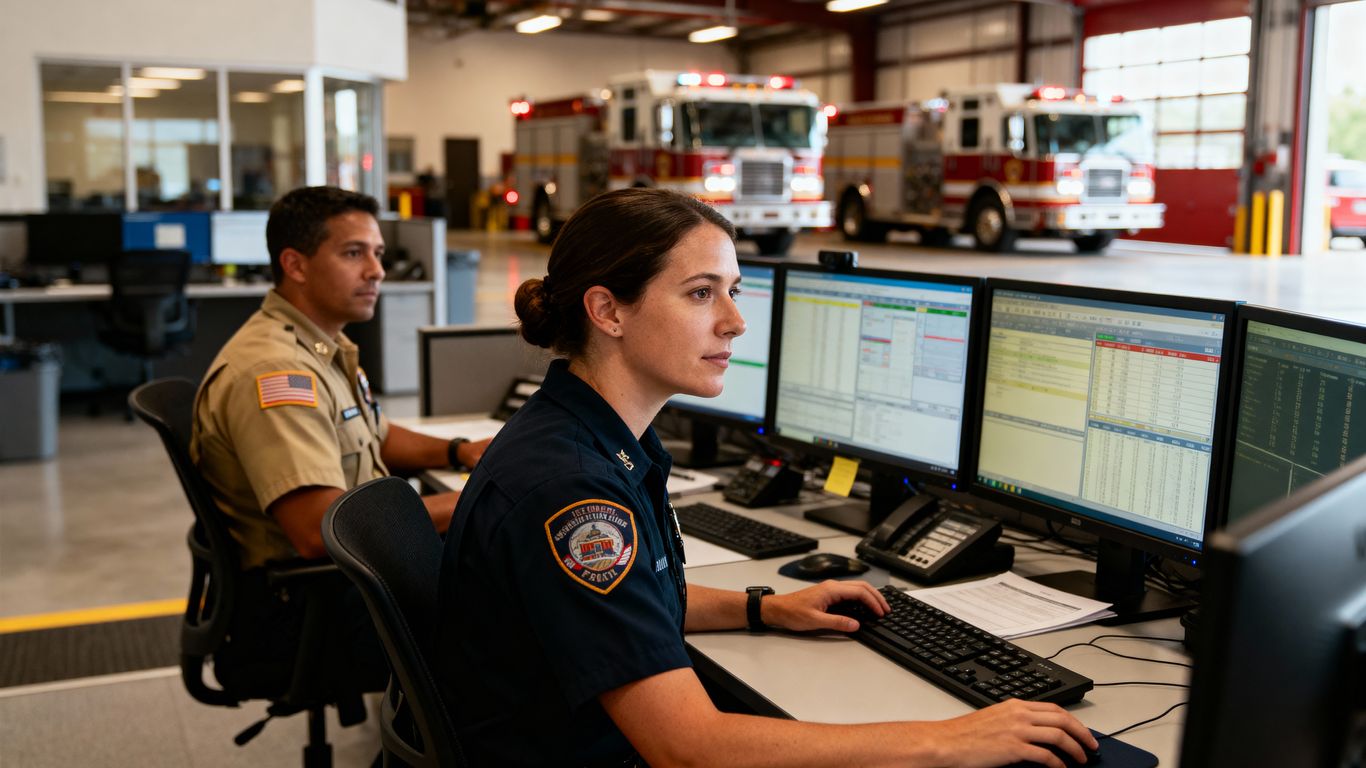
The shift to the National Emergency Response Information System (NERIS) is more than just a reporting update; it’s a chance to really improve how your department operates. While getting compliant is the main goal, thinking about what else NERIS can do for you is where the real advantages lie. It’s about making your data work harder so you can serve your community better.
Enhanced Data Analytics and Strategic Decision-Making
NERIS gives you access to much better data than the old NFIRS system. Instead of waiting months for reports, you get information that’s almost real-time. This means fire chiefs and leaders can see what’s happening right now. Are certain areas seeing more calls? Is a particular type of incident increasing? This kind of insight helps you make smarter choices about where to put resources, what kind of training your crews need, and how to plan for the future. It’s like having a clearer picture of your operations, which helps in planning everything from daily staffing to long-term equipment needs. This improved data can also make your grant applications stronger, showing exactly why you need funding with solid numbers. You can check out how better equipment management ties into operational success here.
Improved Interagency Coordination and Interoperability
One of the big wins with NERIS is how it helps different agencies work together. Because the data is standardized, it’s easier for your department to share information with neighboring fire departments, EMS services, and even law enforcement. This is super important when you have a large incident that requires multiple agencies to respond. Everyone is looking at the same kind of data, which means better coordination and faster, more effective responses. Think about mutual aid requests or managing a regional emergency – having shared, consistent data makes all the difference. It cuts down on confusion and makes sure everyone is on the same page.
The Value of Early Compliance for Agency Reputation
Getting ahead of the NERIS deadline isn’t just about avoiding last-minute stress. It shows your agency is forward-thinking and committed to modernizing emergency services. When your department is seen as being up-to-date with technology and reporting standards, it builds trust with the public and with other government bodies. This can positively impact things like your community’s ISO rating, which can lead to lower insurance costs for residents. Plus, being an early adopter can make your agency look more attractive for state and federal grants, as many now look for evidence of data-driven decision-making and modern operational practices. It’s about showing you’re prepared and efficient, which reflects well on everyone involved.
Choosing The Right Technology Partner
Picking the right technology partner for your agency’s NERIS transition is a big deal. It’s not just about getting new software; it’s about finding a team that understands what you do and can help you do it better. You don’t want to end up with a system that’s complicated or doesn’t quite fit your needs. Think of it like choosing a partner for a long road trip – you want someone reliable, who knows the way, and can help if you hit a bump.
Verifying NERIS V1 Compatibility
First things first, you absolutely need to make sure any system you’re looking at is officially NERIS V1 compatible. This isn’t just a suggestion; it’s a requirement. The Fire Safety Research Institute has a list of vendors that have earned the "NERIS V1 Data Exchange Compatible" badge. If a vendor doesn’t have this, it’s a red flag. You don’t want to find out months before the deadline that your system won’t talk to the national network. This compatibility is what makes sure your data flows correctly and keeps you compliant. It’s the foundation for everything else.
Integrated Capabilities for Comprehensive Reporting
Beyond just being NERIS compatible, look at what else the system can do. A good partner will offer more than just basic incident reporting. Think about features that tie everything together. For example, automated data feeds from your dispatch system can cut down on manual entry. Real-time checks for data accuracy before you submit it are also a lifesaver. Mobile access for crews in the field means reports can be finished right after an incident, not days later. And don’t forget about analytics – a system that can turn your data into useful insights for decision-making is incredibly powerful. You want a platform that handles incident reporting, but also maybe medical records (ePCR), pre-incident planning, and HAZMAT management all in one place. This kind of integration means less juggling between different software and more focus on the job.
Partnering for Long-Term Success
Finally, consider the support and partnership aspect. The transition to NERIS is a significant change, and you’ll have questions. A good technology partner won’t just sell you software and disappear. They’ll offer dedicated technical help, especially for data migration. They should have training programs that actually work for your team, whether that’s online or in person. It’s about having a team that understands the unique pressures of fire and EMS work. They should be proactive, keeping you updated on system changes and potential issues. This ongoing support is what helps prevent disruptions and makes sure your team feels confident using the new system. It’s about building a relationship that helps your agency not just meet compliance, but actually improve operations in the long run. Finding a partner that’s been in the fire and EMS community for a while, like EPR FireWorks, can make a big difference.
Picking the right tech helper is a big deal for your project. You want someone who gets what you need and can build it well. Think about what makes a good team – do they listen? Do they have good ideas? Finding the perfect match can make all the difference. Ready to find your ideal tech partner? Visit our website to learn more!
Moving Forward with NERIS
So, we’ve talked about what NERIS is and why it’s a big deal for fire and EMS. It’s definitely a shift from the old ways, but it’s one that’s meant to make things better. Getting your team ready is key, and that means training and making sure everyone knows how to use the new system. Don’t forget about support, too; having someone to call when things get tricky makes a huge difference. By taking these steps now, your department can handle the NERIS transition without too much fuss. It’s all about being prepared so you can keep doing the important work you do for your community.
Frequently Asked Questions
What is NERIS and why is it replacing NFIRS?
NERIS, or the National Emergency Response Information System, is a new way for fire and EMS teams to report important information about what happens during emergencies. It’s replacing the older NFIRS system because NERIS can share information much faster and in more detail. Think of it like upgrading from an old flip phone to a smartphone – NERIS helps emergency services work together better and make smarter decisions with up-to-date information.
When do we have to start using NERIS?
The deadline for all fire and EMS agencies to switch to NERIS is January 2026. However, many states are starting the switch throughout 2025. It’s important to start getting ready now so your team isn’t rushed at the last minute.
What’s the main difference between NFIRS and NERIS?
The biggest difference is speed and how much information can be shared. NFIRS was like sending a report in the mail, often taking a long time to get anywhere. NERIS is more like sending an instant message or email, allowing information to be shared right away. This helps teams coordinate better during emergencies and understand risks in their community more quickly.
How can our agency get ready for the NERIS transition?
Getting ready involves a few key steps. First, look at how your team currently reports information and see where it needs to change for NERIS. Second, make a plan for training everyone on the new system. Third, make sure everyone in your agency knows what’s happening and can ask questions. Finally, choose technology that is made to work with NERIS.
What kind of training will my team need for NERIS?
Your team will need training that covers how to use the new NERIS system effectively. This includes learning about any new forms, how to enter data correctly, and understanding the new reporting rules. Training can be done online, in person, or a mix of both, and it should be ongoing to keep skills sharp.
What happens if our current software isn’t compatible with NERIS?
If your current software isn’t compatible, you’ll need to find a new system that is. It’s crucial to check if your software provider is ‘NERIS V1 Compatible.’ If they aren’t, you should start looking for a new solution as soon as possible to avoid problems when the January 2026 deadline arrives. Working with a partner who offers NERIS-compatible technology will make the switch much smoother.