
The National Emergency Response Information System, or NERIS, is changing how fire and EMS teams work. It’s a big shift from the old way of doing things, NFIRS. This new system is supposed to make reporting easier and give departments better information to work with. But what does this really mean for the folks on the front lines and the people managing the departments? Let’s break down the NERIS Benefits.
Key Takeaways
- NERIS gives fire departments smarter tools to look at data. This helps them understand response times, how equipment is used, and what risks are in the community. It’s a big step up from just filing reports.
- Getting information right away is a major plus. Leaders can make quicker decisions about where to put resources or what training is needed, based on what’s happening now, not what happened last year.
- This new system helps different agencies work together better. By using the same data formats, it’s easier for departments to share information, especially when they’re working on the same emergency.
- Reporting becomes more straightforward. NERIS helps meet demands for accountability and uses smart tools to show important numbers. This means less paperwork and more accurate data for planning.
- Getting ready for NERIS involves training. Departments need to make sure everyone knows how to use the new system, with options for learning online or in person, plus ongoing help.
Transforming Fire Department Operations With NERIS Benefits
The shift to the National Emergency Response Information System (NERIS) is more than just a reporting update; it’s a fundamental change that reshapes how fire departments operate. This new system brings capabilities that were previously out of reach, moving departments from reactive measures to proactive strategies. It’s about getting better information, faster, so decisions can be made with more confidence.
Gaining Access to Sophisticated Analytics Tools
For years, fire departments have been collecting data, but often, that data sat in silos or was difficult to analyze. NERIS changes that. It provides access to advanced tools that can sift through incident reports, response times, and resource usage. This means you can start to see patterns you might have missed before. For example, you can analyze response times to different types of incidents in specific neighborhoods or track the effectiveness of certain equipment. This kind of insight helps departments understand their operations on a deeper level, moving beyond simple counts to actual performance metrics. This is a big step forward for data analytics.
Enabling Informed Decision-Making with Real-Time Data
One of the biggest advantages of NERIS is the move towards real-time data. Unlike older systems that might have had a reporting lag of a year or more, NERIS allows for much quicker data submission and access. Imagine being able to see current incident trends as they happen, not weeks or months later. This immediate visibility helps chiefs and officers make better decisions on the spot, whether it’s about deploying resources, identifying training needs, or understanding immediate community risks. This real-time capability is a game-changer for day-to-day operations.
Enhancing Interagency Coordination Through Standardization
Emergency response often involves multiple agencies working together. NERIS promotes this by using standardized data formats. When everyone is speaking the same data language, it makes coordination much smoother. This is particularly helpful for mutual aid situations or multi-jurisdictional incidents. Information can flow more easily between different departments and organizations, leading to a more unified and effective response. This standardization helps build stronger working relationships and improves overall public safety.
Elevating Reporting Capabilities and Data Analytics
Meeting Increasing Accountability Demands
Fire departments today face a lot of pressure to show what they’re doing and how well they’re doing it. Leaders in cities, states, and even the federal government want to see clear numbers. NERIS helps with this. It’s built to give you better ways to report things, with tools that make it easier to create reports and check your data. This means less time spent on paperwork and more confidence that your reports are accurate and on time. It’s a big step up from older systems that often had delays.
Leveraging Advanced Business Intelligence Features
NERIS isn’t just about collecting data; it’s about making sense of it. Think of it like having a super-smart assistant who can look at all your incident reports and tell you what’s really going on. This system has advanced features that can show you patterns you might not have noticed before. You can see things like:
- Where most calls are coming from
- What types of incidents are happening most often
- How long it takes to respond to different areas
- How resources are being used
These insights come from what’s called business intelligence, and NERIS brings this power to your department. It helps you understand your community’s risks better and how your team is performing. This kind of information is gold for making smart decisions about where to put your resources and what training is most needed. It’s a big change from just looking at basic numbers.
Providing Near Real-Time Insights for Risk Assessment
One of the biggest game-changers with NERIS is how quickly you can get information. Unlike older systems where data could take a year or more to become available, NERIS aims to provide updates much faster. This means you’re not looking at old news when you’re trying to figure out current risks. You can get a clearer picture of what’s happening right now. This allows for more proactive planning and quicker adjustments to your strategies. For example, if you see a spike in a certain type of call in a specific neighborhood, you can look into it right away. This ability to see things as they happen is a major advantage for understanding community risks and making sure your department is ready for anything.
Streamlining Emergency Response Through Integration
Getting different systems to talk to each other can be a real headache, right? Especially when you’re dealing with emergencies where every second counts. That’s where NERIS really shines. It’s built to connect with the other tech you already use, making sure information flows smoothly.
Seamless Integration With Critical Emergency Technologies
Think about your Computer-Aided Dispatch (CAD) system. NERIS can link up with it directly. This means when a call comes in, the details can automatically start populating your incident reports. No more typing the same information twice. This connection also works with other important tools, like your Records Management System (RMS) and even some medical devices used by EMS. It’s all about making sure the data you need is where you need it, when you need it. This kind of integration is a big step up from older systems that kept everything in separate boxes. Having these systems work together means less chance of mistakes and faster access to what matters most during a response. You can find more about how systems like EPR FireWorks are designed for this kind of connection.
Enhancing Incident Data Collection for Deeper Analysis
Beyond just getting data into the system, NERIS helps you collect more and better information. It allows for more detailed notes about what happened, what resources were used, and what the outcome was. This richer data set is gold for figuring out how your department is performing. You can start to see patterns in response times, identify areas where more training might be needed, or understand the types of incidents your community faces most often. This isn’t just about filling out forms; it’s about using that information to make smarter decisions for the future.
Reducing Duplicate Data Entry and Human Error
We’ve all been there – tired after a long shift, trying to get reports done, and accidentally typing a number wrong or missing a detail. It happens. NERIS integration helps cut down on that. When systems are linked, data moves automatically. This means fewer opportunities for typos or forgotten fields. For example, if your CAD system logs the time an apparatus leaves the station, that information can flow directly into your incident report without someone having to manually enter it later. This not only saves time but also makes your reports more accurate. Accurate data is key for everything from grant applications to understanding your department’s real needs.
Empowering Strategic Decision-Making with NERIS
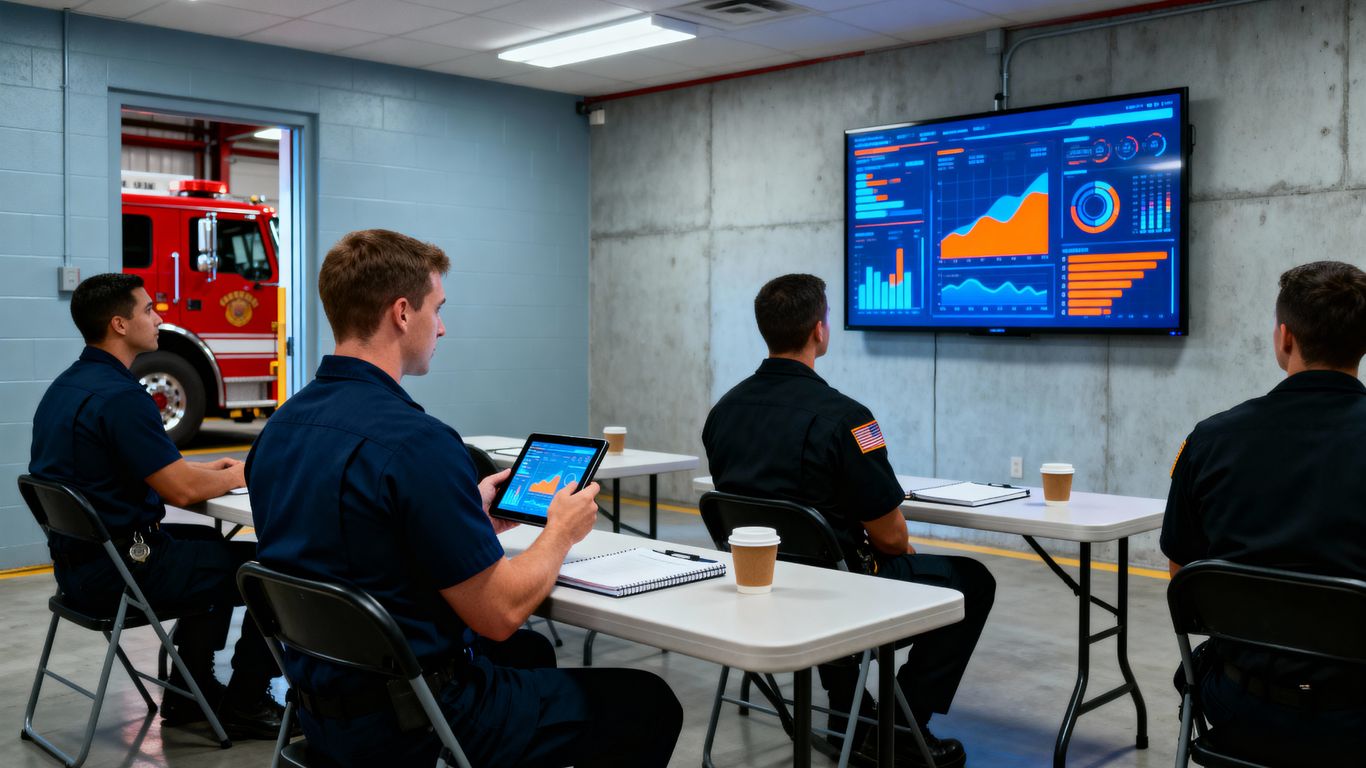
Moving beyond just reporting incidents, NERIS gives fire and EMS leaders the tools to really understand what’s happening in their communities and how their department is performing. It’s like finally getting a clear map instead of just a list of places you’ve been.
Creating Executive-Level Dashboards for Key Performance Indicators
Think about having a dashboard that shows you the most important numbers at a glance. NERIS makes this possible. Instead of digging through piles of old reports, you can see things like:
- Response Times: How quickly are units getting to different types of calls?
- Resource Utilization: Are we using our equipment and personnel effectively across the district?
- Incident Trends: Are we seeing more of a certain type of call in a specific neighborhood?
- Training Compliance: Who needs what training and when is it due?
This kind of information helps leaders make smart choices about where to put resources, what training is most needed, and how to best serve the public.
Utilizing Trend Analysis and Predictive Analytics
NERIS doesn’t just tell you what happened; it helps you figure out what might happen next. By looking at historical data, you can spot patterns. For example, if you see a rise in false alarms in a certain area, you can investigate why and maybe even prevent future calls. Or, if certain types of incidents are increasing, you can plan for more specialized training or equipment.
This forward-looking approach means departments can shift from just reacting to emergencies to proactively managing risks and improving community safety. It’s about being prepared before a problem gets big.
Supporting Long-Term Planning Initiatives
When it comes time to ask for new equipment, more staff, or funding for a new station, having solid data is key. NERIS provides the evidence needed to build strong cases for these requests. You can show city officials or grant reviewers exactly why a change is needed, backed by real numbers on response times, call volumes, and community needs.
This data-driven approach makes planning more effective. It helps departments set realistic goals, allocate budgets wisely, and develop strategies that will make the department stronger and more capable for years to come.
Ensuring Operational Continuity with Dedicated Support
Switching to a new system like NERIS can feel like a big undertaking, and nobody wants things to grind to a halt while learning the ropes. That’s where having solid, dedicated support really makes a difference. It’s not just about fixing problems when they pop up; it’s about making sure your department keeps running smoothly from the get-go and stays that way.
Minimizing Disruptions During System Transitions
When your team starts moving over to NERIS, the last thing you need is a system that causes more headaches than it solves. Good support means having people ready to help you get through the initial setup and data transfer without losing critical information or slowing down your response times. Think of it like having a guide who knows the path well, pointing out any tricky spots before you even get there. This proactive approach helps prevent those unexpected slowdowns that can really throw a wrench in your daily operations. It’s about making the switch as painless as possible so your focus stays on serving the community.
Providing Timely Assistance for Troubleshooting and Optimization
Even with the best training, questions and technical hiccups are bound to happen. Having a support team that understands the fast-paced world of fire and EMS is key. They need to be available quickly to sort out any issues, whether it’s a glitch in the software or a question about how to best use a certain feature for your specific needs. This isn’t just about fixing bugs; it’s also about helping you get the most out of the system. They can show you ways to tweak your workflows within NERIS to make your reporting more efficient or your data analysis more insightful. It’s about continuous improvement, making sure your team is always working with the best tools and methods available.
Proactive Monitoring and Communication of System Updates
Staying ahead of the curve is important, and that includes knowing about system updates or changes that might affect your operations. A dedicated support team doesn’t just wait for you to call with a problem. They actively monitor the system’s performance and keep you in the loop about upcoming changes. This might come in the form of newsletters, alerts, or even direct communication about new features or necessary adjustments. Knowing what’s coming allows you to prepare your team and adapt your processes accordingly, avoiding any surprises. It’s about building a partnership where they help you maintain a high level of operational readiness and compliance by keeping you informed and supported.
Preparing Your Team for the NERIS Transition
Moving to a new system like NERIS can feel like a big undertaking, and honestly, it is. It’s not just about clicking around a different screen; it’s a shift in how we handle important information. To make this change as smooth as possible for everyone, we’ve put together a plan focusing on making sure your team feels ready and confident.
Tailored Training Programs for All Personnel
We get that not everyone learns the same way, and that’s okay. That’s why we’re offering training that’s built to fit different needs. Whether you’re a seasoned chief or just starting out, the training will cover what you need to know. We’re talking about how to enter data correctly, understand the new reports, and generally get comfortable with the system. The goal is for everyone to feel capable, not overwhelmed. Think of it like learning a new piece of equipment – at first, it’s unfamiliar, but with good instruction, it becomes second nature.
Flexible Online and On-Site Learning Opportunities
To help with that learning curve, we’ve got a couple of ways you can get up to speed. We have online modules that you can access whenever it works for your schedule. This means you can learn at your own pace, maybe during downtime or from home. For those who prefer a more hands-on approach, we’ll also be offering in-person sessions. These are great for working through specific scenarios and getting direct answers to your questions. We want to make sure that getting trained on NERIS doesn’t disrupt your already busy schedules. It’s important that your department can verify its NERIS compatibility status early on.
Ongoing Refresher Courses and Content Updates
Learning doesn’t stop once the initial training is done. Systems change, and so do the best ways to use them. We’ll be providing regular updates and refresher courses to keep everyone sharp. This means if there are any tweaks to the system or new features added, your team will be the first to know and learn how to use them. It’s about making sure that as we continue to use NERIS, we’re always using it in the most effective way possible. This ongoing support helps maintain accuracy and efficiency long after the initial transition.
Achieving Compliance and Strategic Advantages
Moving to the National Emergency Response Information System (NERIS) isn’t just about following new rules; it’s a chance to really boost your department’s standing and get ahead. When you get your reporting right, it opens doors you might not have even thought about.
Strengthening Grant Applications with Data-Driven Justification
Federal grants, like those from the Assistance to Firefighters Grant (AFG) program, are super important for getting new equipment or training. But these days, they want more than just a request. They want to see solid proof that your department needs the money and how it will make a difference. NERIS gives you the tools to show this. Instead of just saying you responded to X number of calls, you can now show detailed analytics. Think about presenting data on response times to specific types of incidents, or how a new piece of equipment could improve outcomes based on past performance data. This kind of evidence makes your application stand out. It shows you’re not just asking for stuff; you’re making smart, data-backed decisions for your community’s safety. Getting your grant applications right can make all the difference.
Improving ISO Ratings and Community Insurance Costs
The Insurance Services Office (ISO) looks at how well fire departments serve their communities. A better ISO rating, often called a Public Protection Classification (PPC), can actually lower insurance premiums for homeowners and businesses. NERIS helps here because it provides a clearer, more detailed picture of your department’s operations and capabilities. When you can show consistent, high-quality response data, maintenance records for your equipment, and effective resource management, it directly supports a higher ISO score. This isn’t just good for the department’s reputation; it’s a tangible financial benefit for everyone in your service area. Think of it as a way to show your community you’re performing at a top level, which translates into real savings for them.
Ensuring Continued Availability of Federal Funding
Staying compliant with reporting standards like NERIS is non-negotiable for accessing federal funding. The old National Fire Incident Reporting System (NFIRS) is being phased out, and by January 1, 2026, NERIS will be the standard. Agencies that don’t make the switch risk losing out on critical funds. Beyond just meeting the minimum requirements, using NERIS effectively can actually make your department more attractive for future funding opportunities. It shows you’re forward-thinking and using modern tools to manage your operations and demonstrate your impact. This proactive approach to compliance and data management is key to securing the resources needed to keep your department running and improving over the long term. Keeping your equipment management up-to-date is part of this.
Improving Safety and Accountability Through Comprehensive Records
Protecting Firefighters and Departments from Liability
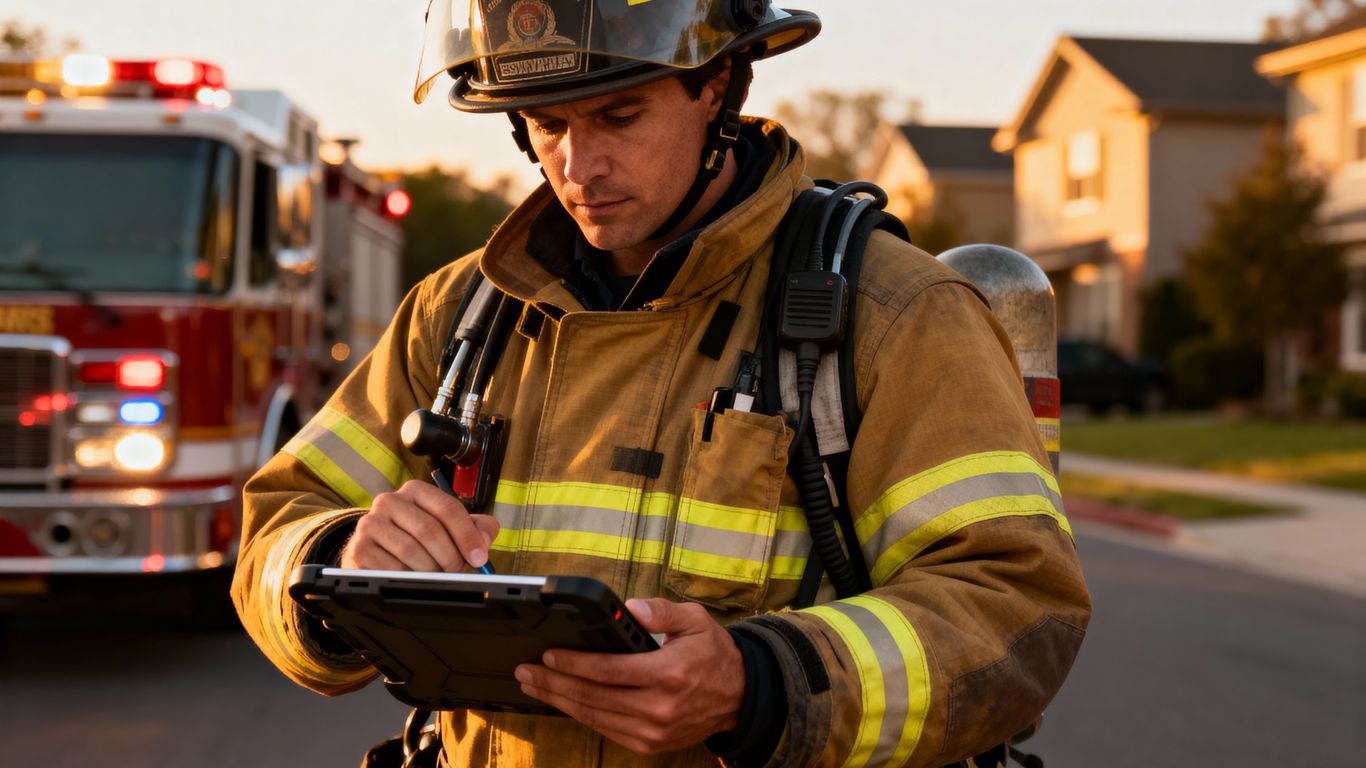
Keeping really good records is super important for fire and EMS teams. It’s not just about following rules; it’s about making sure everyone stays safe and that the department is protected if something goes wrong. Think about it: if there’s ever a question about how an incident was handled, or if a piece of equipment failed, having detailed documentation can be a lifesaver. This means keeping track of everything from the moment a call comes in, to the actions taken on scene, and even what happened afterward. It’s about having a clear story of what occurred, which helps shield both individual firefighters and the department from potential lawsuits or claims. This kind of thoroughness shows a commitment to professionalism and due diligence.
Supporting Worker Health and Wellness Programs
Beyond immediate incident response, detailed record-keeping plays a big role in looking after the long-term health of your team. For instance, tracking any exposure to hazardous materials during calls is vital. This information can be used later for workers’ compensation claims, but more importantly, it helps in monitoring for any occupational health issues that might pop up down the road. Early detection of potential problems, like respiratory issues or other conditions linked to the job, can make a huge difference in a firefighter’s quality of life. Having this data readily available means you can proactively support your team’s well-being, showing that their health is a top priority. It’s a way to demonstrate care and responsibility for the people who do such demanding work.
Ensuring Qualified Personnel Respond to Specialized Situations
Knowing who is trained and ready for specific types of emergencies is another area where good records shine. When a complex incident occurs, like a hazardous materials spill or a technical rescue, you need to be sure the right people are being dispatched. Comprehensive personnel records that detail certifications, ongoing training, and experience with different types of incidents are key here. This documentation helps in making sure that only qualified individuals are sent to handle specialized situations, which is critical for both safety and effectiveness. It also helps in identifying who might be ready for more responsibility or who needs additional training, creating clearer paths for career growth within the department. This level of detail ensures that your department is always prepared with the right skills on hand for any scenario.
Keeping good records is super important for making sure everyone is safe and can be trusted. When we have clear and complete information, it helps us understand what happened and how to do better next time. This makes our communities safer for everyone. Want to see how we can help you keep better records? Visit our website today!
Looking Ahead with NERIS
So, the big takeaway here is that NERIS isn’t just some new government form to fill out. It’s a pretty big shift for fire and EMS teams, moving us toward using data in smarter ways. While getting there might mean some learning curves and system updates, the potential benefits for how departments operate, plan, and even get funding are pretty significant. Getting ready now, and working with the right tools and support, seems like the smart move for any agency wanting to stay on top of things and keep serving their communities as effectively as possible.
Frequently Asked Questions
What exactly is NERIS and why is it replacing the old system?
NERIS stands for the National Emergency Response Information System. Think of it as a major upgrade for how fire departments report what happens during emergencies. It’s replacing an older system called NFIRS, which has been around for a very long time. NERIS is designed to be more modern, using technology that allows for faster sharing of information and better tools to understand what’s happening in communities. It helps departments track incidents more easily and use that information to make things safer.
How does NERIS help fire departments do their job better?
NERIS offers fire departments much better tools for understanding their work. Instead of just collecting basic numbers, it provides detailed information that can show patterns in emergencies, how resources are used, and what risks are present in the community. This helps leaders make smarter decisions about where to put resources, what training is needed, and how to plan for the future. It’s like getting a clearer picture of everything happening so you can react and plan more effectively.
What are the main benefits of using NERIS for reporting?
One big benefit is that NERIS makes reporting much more efficient. It helps reduce mistakes and saves time by connecting with other important emergency systems. This means less time spent typing the same information over and over. It also allows for more detailed information to be collected about each incident, which leads to a deeper understanding of emergency responses and helps improve how departments operate.
How does NERIS help with planning and making important decisions?
NERIS provides leaders with easy-to-understand charts and summaries, showing key information about the department’s performance. It can also look at past information to help predict future needs or problems. This kind of information is incredibly useful for making long-term plans, like deciding where to build new fire stations or what equipment to buy. It helps ensure that decisions are based on solid data, not just guesses.
What kind of support is available to help fire departments switch to NERIS?
Switching to a new system can seem tricky, but there’s support available. This includes training programs designed for everyone in the department, whether they work in the field or in the office. Training can be done online or in person, and there are also ongoing classes to keep everyone up-to-date. The goal is to make sure that all team members feel comfortable and confident using the new system.
How does NERIS help departments meet rules and get funding?
NERIS makes it easier for departments to show they are doing a good job, which can help them get grants and improve their ratings with organizations like the ISO. When applying for money, having good data from NERIS helps prove why the funding is needed and how it will be used effectively. This strong, data-backed information makes applications more convincing and helps departments secure the resources they need to serve their communities.
