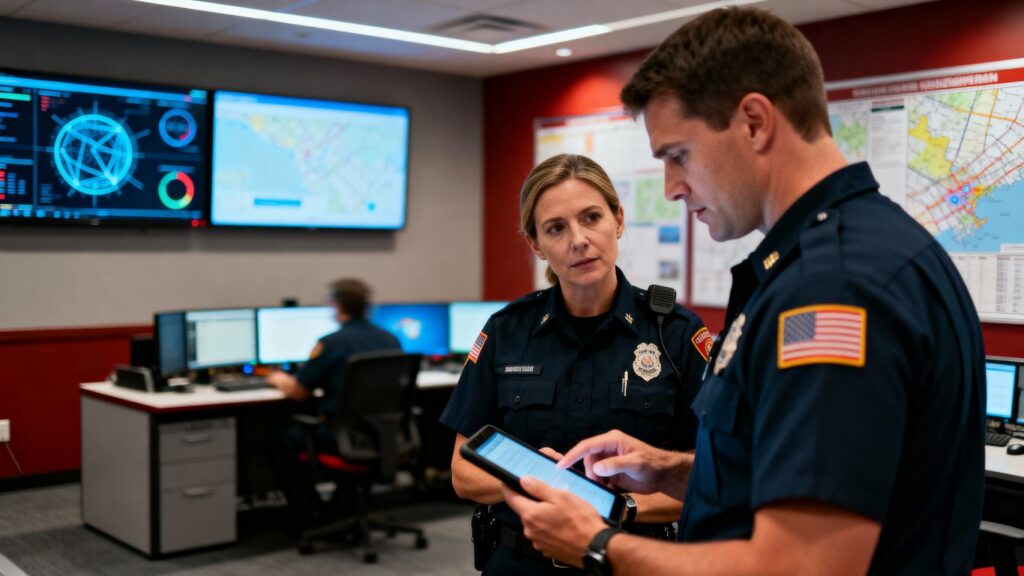
The way fire and EMS departments handle incident reporting is changing. A new system called NERIS is taking over from the old NFIRS. This isn’t just a small update; it’s a big shift that affects how departments do their work, how they report to the government, and how they use data. Getting ready for NERIS reporting now can help departments avoid problems later and even find new ways to get funding and improve how they operate. Let’s look at why this change matters and what it means for fire and EMS services.
Key Takeaways
- Departments must switch from the old NFIRS reporting to the new NERIS system by January 1, 2026. This is a major change for how fire and EMS services track incidents.
- NERIS reporting offers better ways to analyze data in real-time, which helps departments make smarter decisions about resources and planning.
- The new system helps departments meet federal and state reporting rules, making it easier to get grant money and potentially improve their ISO ratings.
- Switching to NERIS means departments will have more detailed records, which can help with safety, tracking health exposures, and defending against liability claims.
- Getting ready for NERIS involves checking current software, planning how to move data, and training staff to use the new system correctly.
Streamlining Compliance And Administrative Tasks With NERIS Reporting
The shift to the National Emergency Response Information System (NERIS) marks a significant change for fire and EMS departments, especially when it comes to handling the paperwork. For years, departments have juggled federal, state, and local reporting requirements, which often meant a lot of manual work and a real headache. NERIS aims to simplify this, making compliance less of a burden and freeing up valuable time for what really matters: serving the community.
Automating Federal, State, And Local Reporting Requirements
One of the biggest wins with NERIS is its ability to automate many of the reporting tasks that have traditionally taken up so much administrative time. Instead of manually compiling data for various agencies, NERIS-compliant systems can often handle this automatically. This means less time spent on data entry and more time for operational duties. The system is designed to meet the evolving standards, so departments don’t have to constantly update their processes to keep up with changing regulations. This proactive approach helps avoid issues down the line, like potential problems with grant funding that can arise from non-compliance.
Ensuring Timely Submissions And Reducing Errors
Accuracy and timeliness are key in reporting, and NERIS helps departments achieve both. Modern systems built for NERIS often include features like real-time data validation. This means that as information is entered, the system checks for errors on the spot, rather than weeks or months later. This drastically cuts down on mistakes that could lead to compliance issues or require costly corrections. Plus, with automated submission capabilities, reports can be sent out much faster, meeting deadlines with less stress. This improved accuracy and speed are a big step up from older systems where data entry could be a slow, error-prone process.
Navigating The Mandatory Transition To NERIS Exclusively
It’s important to know that starting January 1, 2026, reporting will be exclusively through NERIS. The old National Fire Incident Reporting System (NFIRS) will no longer be an option. This mandatory transition means departments need to get ready now. Planning for this shift involves a few key steps:
- Assess current systems: Figure out if your current records management software (RMS) is compatible with NERIS. If not, you’ll need to look into upgrades or replacements.
- Plan data migration: Decide how you’ll move historical data from NFIRS to the new NERIS format. This needs careful planning to avoid losing important information.
- Train staff: Everyone who handles reporting needs to be trained on the new system and its requirements. This includes administrators and field personnel.
Getting ahead of this transition is vital. Departments that prepare early will find the switch much smoother and will be better positioned to take advantage of the new system’s capabilities from day one. You can find more information about the transition and frequently asked questions on the NERIS resource page.
Enhancing Operational Efficiency Through NERIS Data Analytics
Moving beyond just checking boxes for compliance, NERIS reporting really opens up a new world of understanding how your department operates. It’s like finally getting a clear picture instead of just seeing blurry shapes. This system gives you tools to look at your data in ways that just weren’t possible with older methods. Think about it: you can start seeing patterns in when and where calls come in, how your crews and equipment are being used, and even get a better sense of the risks in your community. This isn’t just about looking back at old reports; it’s about having information that’s fresh and ready to help you make smarter choices right now.
Gaining Insights Into Response Patterns And Resource Utilization
NERIS lets you dig into the details of your responses. You can see things like:
- Response Times: How long does it take to get to different types of incidents in various parts of your service area? Are there specific times of day or days of the week when response times lag?
- Apparatus Deployment: Which trucks and engines are used most often? Are certain pieces of equipment being underutilized or overutilized? This can help you figure out if you have the right mix of resources.
- Call Volume Analysis: You can break down calls by type, location, and time. This helps you understand demand and plan staffing or equipment needs accordingly. For example, if you see a spike in medical calls in a certain neighborhood during the summer, you can adjust resources.
- Crew Performance: While not about individual blame, you can look at how crews are deployed and how efficiently they handle calls. This can highlight areas where additional training or different procedures might be beneficial.
Informing Strategic Planning With Real-Time Data
Having up-to-date information is a game-changer for planning. Instead of waiting for annual reports that might be a year old by the time you get them, NERIS gives you data that’s much closer to real-time. This means:
- Resource Allocation: You can make decisions about where to station apparatus or even consider new station locations based on current response data and community growth patterns.
- Training Needs: By analyzing incident types and outcomes, you can identify specific skills or knowledge gaps within your department and tailor training programs to address them effectively.
- Budget Justification: When you need to ask for more funding, having concrete data from NERIS to back up your requests is incredibly powerful. You can show exactly why you need that new piece of equipment or additional staff based on actual operational needs and community risk.
Improving Interagency Coordination With Standardized Data
When different agencies use different ways of recording information, it can be a real headache when you need to work together. NERIS aims to fix that by using standardized data formats. This means:
- Mutual Aid: If you respond to a large incident in a neighboring town, or they come to yours, having compatible data makes it easier to share information about what happened, what resources were used, and what the outcomes were.
- Regional Planning: For larger-scale emergencies or ongoing issues that cross jurisdictional lines, standardized data allows for better coordination and a clearer picture of the overall response effort.
- Information Sharing: NERIS’s design supports easier data exchange with other systems, like Computer-Aided Dispatch (CAD) or Emergency Medical Services (EMS) reporting systems. This reduces duplicate data entry and makes sure everyone is working with the same, accurate information.
Improving Safety And Accountability With Comprehensive Records
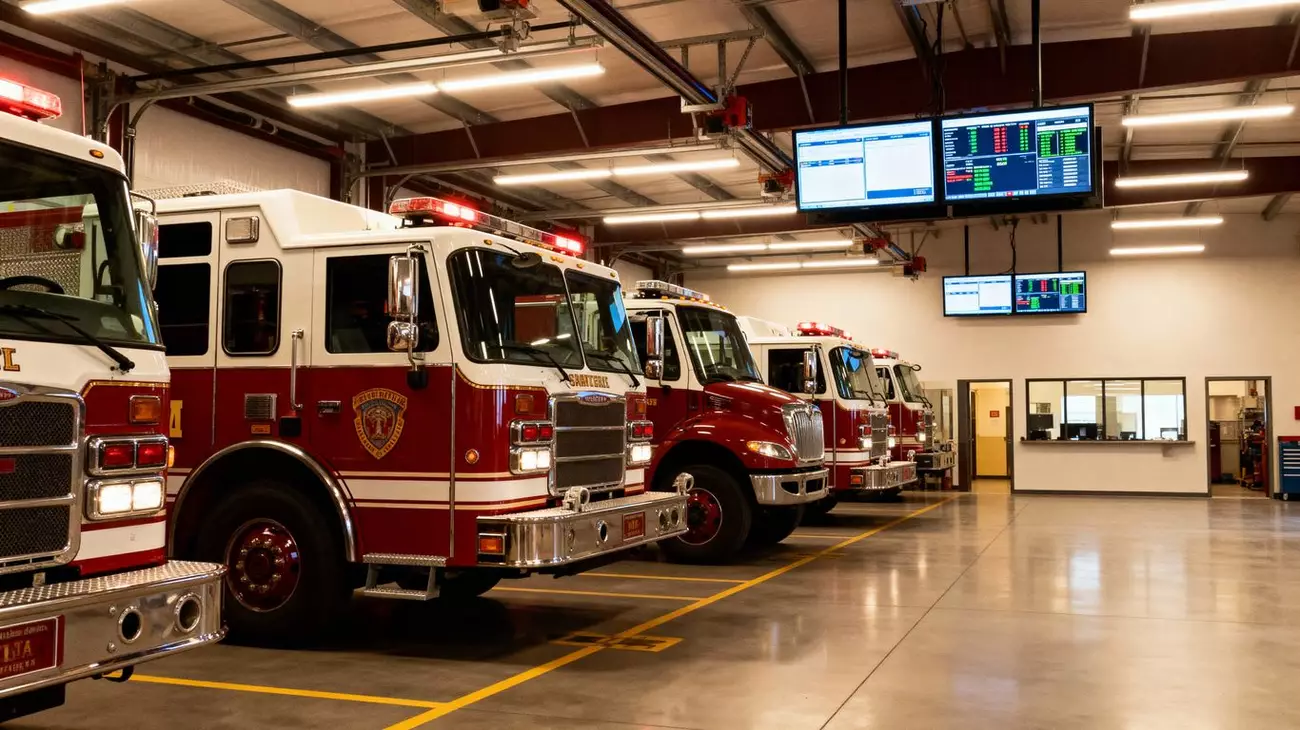
Having good records isn’t just about following rules; it’s about protecting everyone involved. When you have detailed information about what happened during an incident, it helps keep your firefighters safe and your department out of trouble. Think about it: if someone is exposed to a hazardous material, you need to know exactly what it was and when it happened. This documentation is key for long-term health monitoring, catching any occupational illnesses early on. It’s like having a detailed history for each person on your team.
Then there’s the equipment. If something goes wrong with a piece of gear during a call, having maintenance records is super important. It shows you’ve been taking care of things properly. This can really help if there’s ever a question about liability. It’s not just about fixing things when they break; it’s about proving you did your due diligence.
And let’s not forget about the people. Keeping track of everyone’s certifications and training is a big deal. It makes sure the right people are on the scene for specialized calls. Plus, these records help with figuring out who’s ready for a promotion or who might need a bit more training. It helps build clear paths for careers within the department, which is good for keeping experienced folks around.
Here’s a quick look at what these records help with:
- Health Monitoring: Documenting exposure to hazardous substances helps track potential long-term health issues for personnel.
- Liability Defense: Detailed maintenance logs for equipment demonstrate proper care and can protect the department if equipment failure occurs.
- Personnel Development: Tracking certifications and training ensures qualified staff are assigned to appropriate tasks and identifies areas for professional growth.
- Incident Documentation: Accurate records provide a clear account of events, aiding in investigations and post-incident reviews.
Leveraging NERIS Reporting For Grant Funding And ISO Ratings
Securing funding and improving your department’s standing with the Insurance Services Office (ISO) are critical for growth and community service. The shift to NERIS reporting offers significant advantages in both these areas, moving beyond simple compliance to provide data that truly supports your department’s needs.
Strengthening Grant Applications With Data-Driven Justification
Federal grants, like those from the Assistance to Firefighters Grant (AFG) program, are increasingly looking for solid evidence of need and impact. Simply stating you need new equipment isn’t as persuasive as showing data that backs it up. NERIS reporting provides the kind of detailed analytics that can make your grant applications stand out. Instead of just reporting incident numbers, you can present information on:
- Community Risk Patterns: Analyze trends in specific types of incidents or geographic areas to demonstrate a clear need for targeted resources or programs.
- Response Time Performance: Show how quickly your crews respond to different types of emergencies, highlighting areas where faster response could save lives or property.
- Resource Utilization: Demonstrate how effectively your current resources are being used and where additional investments would yield the greatest return in operational efficiency.
This level of detail helps grant reviewers understand the real-world impact of their funding. It transforms your application from a request into a well-reasoned proposal backed by facts. This kind of data-driven justification is becoming standard for securing federal funding, making NERIS a key tool for financial planning.
Demonstrating Operational Readiness For ISO Evaluations
Your department’s Public Protection Classification (PPC) from ISO directly impacts insurance rates for your community. A higher rating means lower premiums for residents and businesses. NERIS reporting can play a role in improving this rating by providing a clear picture of your department’s capabilities and performance.
ISO evaluations look at various aspects of a fire department’s operations, including equipment, staffing, and response procedures. NERIS data can help you document:
- Accurate Incident Documentation: Detailed and timely reporting of all incidents, including response times and actions taken, provides a verifiable record of your department’s activity.
- Training and Certification Records: While not solely a NERIS function, integrated systems can link training data to incident responses, showing that your personnel are qualified for the tasks they perform.
- Equipment Deployment and Maintenance: Records of how and when equipment is used, along with maintenance logs, can demonstrate proper care and readiness.
By having this information readily available and accurately reported through NERIS, you can present a strong case to ISO evaluators, potentially leading to an improved PPC rating. This not only benefits the department by showcasing its effectiveness but also provides a tangible economic advantage to the community you serve.
Justifying Budgetary Needs With Performance Metrics
When presenting budget requests to local government officials, having concrete data is essential. NERIS reporting offers a wealth of performance metrics that can powerfully support your budgetary needs. You can move beyond subjective arguments and present objective data that illustrates your department’s value and requirements.
Consider using NERIS data to:
- Showcase Increased Demand: If incident volume or complexity has risen, NERIS data can quantify this trend, justifying the need for additional staffing or equipment.
- Highlight Efficiency Gains: Demonstrate how investments in training or technology have led to improved response times or reduced property loss, supporting requests for continued or increased funding.
- Identify Areas for Improvement: Use analytics to pinpoint operational challenges or resource gaps that require budgetary attention to maintain or improve service levels.
By consistently reporting through NERIS and utilizing its analytical capabilities, your department can build a strong, data-backed case for the resources it needs to effectively protect the community. This proactive approach to data management can significantly improve your chances of securing grant funding and maintaining a strong operational profile.
Understanding The Key Differences In NERIS Reporting
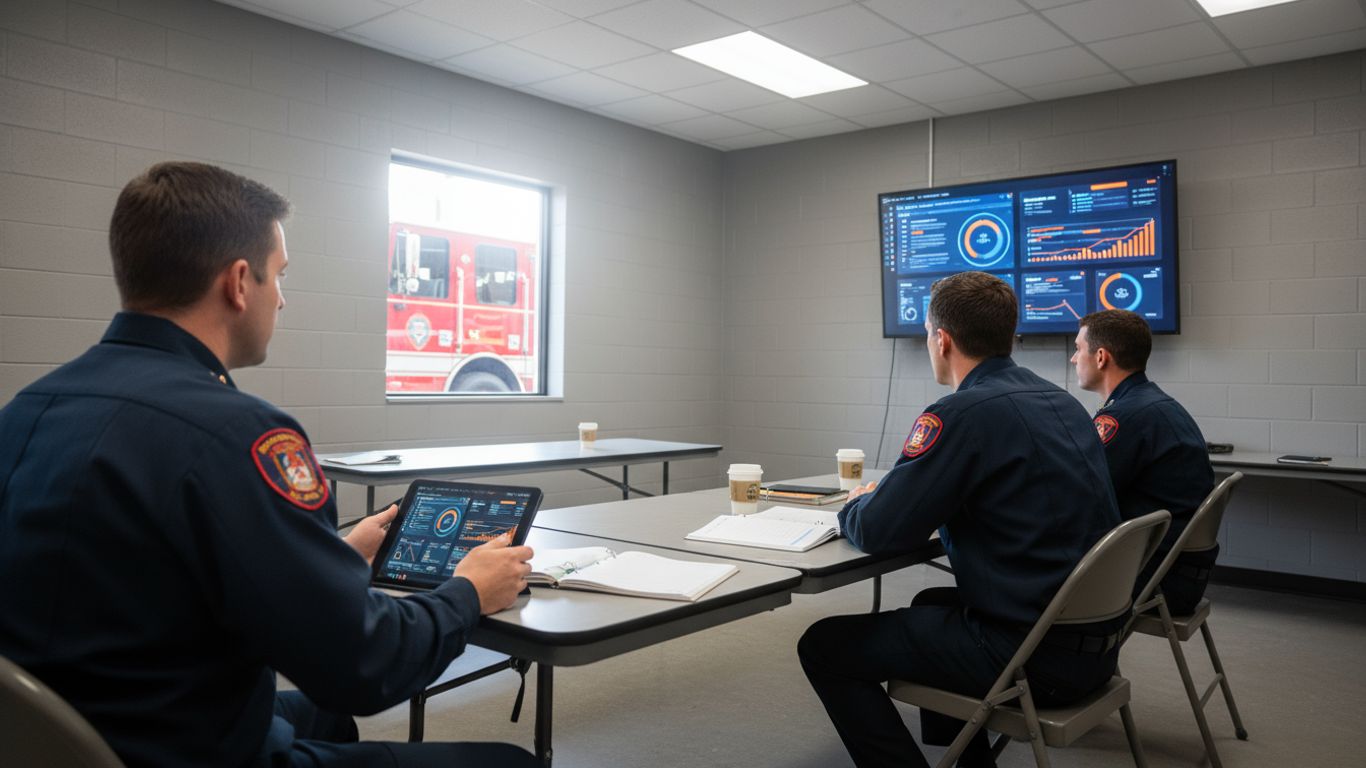
The shift from the National Fire Incident Reporting System (NFIRS) to the National Emergency Response Information System (NERIS) is more than just a software update; it’s a fundamental change in how fire and EMS departments manage and utilize data. Think of it like upgrading from an old flip phone to a modern smartphone – the core function is still communication, but the capabilities are vastly expanded. NFIRS has been around for decades, and while it served its purpose, it operated on older technology that made real-time data sharing and deep analysis difficult. NERIS, on the other hand, is built for today’s interconnected world.
From Legacy Systems To Cloud-Based, Mobile-Optimized Platforms
One of the most noticeable changes is the platform itself. NFIRS was often tied to desktop computers, requiring manual data entry and batch submissions. This meant delays, and by the time reports were finalized, the information could be quite old. NERIS is cloud-based and mobile-optimized. This means your team can enter data directly from the field, using tablets or smartphones, and that information is available almost instantly. This real-time access is a game-changer for situational awareness and operational adjustments. It’s a move away from static, periodic reports to a dynamic, always-on data stream. This shift also means less reliance on specific office hardware and more flexibility for your personnel.
Expanding Data Scope Beyond Traditional Fire Incidents
NFIRS primarily focused on fire-related incidents. While important, emergency services respond to a much wider array of situations. NERIS adopts an all-hazards approach. This means it’s designed to capture detailed information not just on fires, but also on EMS responses, hazardous materials incidents, technical rescues, natural disasters, and even emerging threats like those involving batteries or alternative energy systems. The system allows for multiple incident types to be selected for a single event, providing a more accurate picture of the department’s workload and the community’s needs. This broader scope is vital for understanding the full spectrum of services your department provides and the risks your community faces. For instance, you can now document specific details about chemical types and release information for HazMat calls, or patient care details for medical incidents, all within the same system. This detailed data can significantly strengthen grant applications.
Facilitating Real-Time Data Exchange And Advanced Analytics
Perhaps the most significant difference lies in data exchange and analytics. NFIRS had limited integration capabilities, making it hard to connect with other systems like Computer-Aided Dispatch (CAD) or Records Management Systems (RMS). NERIS, however, is built with modern APIs that allow for seamless integration. This means data can flow automatically between systems, reducing manual entry and the potential for errors. Furthermore, NERIS provides access to advanced analytics and business intelligence tools. Instead of just basic reports, departments can gain insights into response patterns, resource utilization, and community risk profiles. This capability transforms data from a mere compliance requirement into a strategic asset, informing everything from training priorities to long-term planning. The ability to access this information in near real-time is a stark contrast to the often year-long delays associated with NFIRS data.
Preparing For A Successful NERIS Transition
Making the switch to NERIS reporting isn’t just a software update; it’s a significant operational shift. To get through this change smoothly, departments need a solid plan. This means looking closely at how things are done now and figuring out where the new system will require adjustments. It’s about being proactive rather than reactive.
Assessing Current Reporting Practices And Identifying Gaps
Before diving into new software, take a good, hard look at your current reporting methods. What works well with the old system, and where are the pain points? NERIS demands more detailed information and a different way of organizing it. You’ll need to pinpoint exactly where your current workflows won’t line up with the new NERIS data requirements. This might involve looking at how incident details are captured in the field, how data is entered into your existing records management system (RMS), and how reports are ultimately submitted. Identifying these gaps early is key to tailoring your training and system setup effectively. It’s also a good time to check if your current RMS vendor is actually NERIS V1 Compatible. Not all systems are, and finding that out late can cause major headaches. You can verify this status with the Fire Safety Research Institute.
Planning For Data Migration And System Integration
Moving your historical data from older systems to NERIS can feel like a big task. It’s important to plan this carefully. You don’t want to lose valuable historical information, but you also need to make sure the new data flows correctly. Many software providers offer tools to help with this data migration, and it’s wise to understand what support they provide. Beyond just moving data, think about how NERIS will connect with your other systems, like Computer-Aided Dispatch (CAD). Direct data feeds from dispatch can automatically populate incident details, cutting down on manual entry and reducing errors. This integration is vital for making sure your new system works efficiently with your existing technology infrastructure.
Prioritizing Staff Training And Administrator Continuity
Your team is the heart of your reporting process. Without proper training, even the best system will fall short. A layered training approach works best. Start with leadership to ensure they understand the strategic importance of NERIS. Then, conduct hands-on workshops for all staff who will be using the system. Use real-world scenarios to practice data entry and reporting under NERIS protocols. It’s also smart to designate specific individuals as NERIS administrators. Unlike the old system, NERIS requires internal oversight, so having dedicated administrators who understand the system inside and out is crucial for ongoing success and continuity. This ensures that knowledge isn’t lost if key personnel move on. Remember, the official transition deadline is January 1, 2026, so starting this preparation now is a strategic advantage. This transition is mandatory for all departments.
Getting ready for a smooth switch to NERIS? It’s important to be prepared. Making sure your team knows what to expect and how to use the new system will help everything go well. A good transition means less confusion and more focus on the important work you do. Ready to learn more about making your NERIS transition a success? Visit our website today for tips and resources!
Looking Ahead with NERIS
So, the big takeaway here is that the move to NERIS isn’t just another software update. It’s a pretty big deal for fire and EMS departments, changing how everyone handles incident information. While it might seem like a lot to get ready for, especially with the January 2026 deadline looming, getting on board with NERIS early really sets departments up for success. It means better data, smarter decisions, and ultimately, improved safety for both firefighters and the communities they serve. Departments that embrace this change now will be in a much better spot down the road.
Frequently Asked Questions
What exactly is NERIS and why is it replacing the old NFIRS system?
NERIS stands for the National Emergency Response Information System. Think of it as a super-updated way for fire and EMS departments to report what happens during emergencies. The old system, NFIRS, has been around for a long time and doesn’t quite keep up with today’s technology. NERIS is a newer, online system that makes reporting easier, faster, and allows for better analysis of the information. It’s set to completely take over from NFIRS by January 1, 2026.
How will NERIS reporting make things easier for my department?
NERIS can really help cut down on the paperwork and time spent on reporting. It’s designed to be more automatic, helping to fill in details from other systems and reducing mistakes. This means your team can spend less time on forms and more time responding to calls. Plus, getting reports done on time helps make sure your department stays in good standing with government rules.
What kind of information can NERIS track that NFIRS couldn’t?
NERIS is much broader than just fire incidents. It can collect detailed information on all sorts of emergencies, including medical calls, hazardous material situations, and technical rescues. This gives a more complete picture of the work your department does. It also allows for more detailed tracking of things like hazardous material exposures for health monitoring and accurate records of equipment maintenance, which is important for safety and legal reasons.
How does NERIS help with getting money, like grants, or with insurance ratings?
Having good, up-to-date information is key for getting grants. NERIS provides solid data that shows exactly what your department needs and how well it’s performing. This makes your grant applications stronger. Also, organizations that check how prepared fire departments are for insurance purposes (like the ISO) will find NERIS data very useful. Better ratings can even lead to lower insurance costs for your community.
What are the biggest changes I should expect when moving from NFIRS to NERIS?
The main differences are that NERIS is online and works on mobile devices, making it easier to report from anywhere. It also allows for real-time data sharing, meaning information can be sent and seen much faster than before. The types of data collected are also more detailed, covering a wider range of emergencies. It’s a big step up from the older, more basic system.
What’s the most important thing my department needs to do to get ready for NERIS?
The most crucial step is to check if your current record-keeping software is compatible with NERIS. You’ll need to plan how to move your old data to the new system and make sure your staff gets proper training. Starting this process early, well before the January 2026 deadline, will prevent a lot of stress and help ensure everything runs smoothly.