The fire service is undergoing a big change with the move from NFIRS to NERIS. This isn’t just a small update; it’s a whole new way of handling incident information. By January 2026, everyone has to be on board with NERIS. This guide is here to help your fire department understand what’s happening and how to get ready for NERIS fire department compliance.
Key Takeaways
- All fire departments must switch from NFIRS to NERIS reporting by January 1, 2026. This is a major change for how incident data is managed.
- NERIS offers better ways to look at data in real-time and share information between different agencies, which NFIRS didn’t do as well.
- Having software that works with NERIS V1 is important for sending data correctly and avoiding problems.
- Getting ready early means your department can handle the changes without too much disruption and might even help with things like grant applications.
- Departments need to check if their software vendors are ready for NERIS and plan for training their staff to use the new system.
Understanding the NERIS Transition
The fire service is undergoing a pretty big change right now. We’re talking about moving from the old National Fire Incident Reporting System, or NFIRS, to something new called NERIS – the National Emergency Response Information System. This isn’t just a minor software tweak; it’s a whole new way of handling incident data. Think of it as upgrading from a flip phone to a smartphone. NFIRS has been around for ages, since the 1970s, and honestly, it’s showing its age. It was good for its time, but it just can’t keep up with what we need today.
Key Differences Between NFIRS and NERIS
NERIS is built for the modern era. Unlike NFIRS, which often meant waiting a long time to get reports filed and analyzed, NERIS is designed for near real-time data. This means fire chiefs and other leaders can get a look at what’s happening much faster, which helps in making quicker decisions. It also handles more than just fires; NERIS is an all-hazards system, meaning it can track EMS calls, hazmat incidents, and other emergencies. NFIRS was mostly focused on fire incidents. Plus, NERIS is cloud-based and plays nicer with other systems, making it easier to share information between different agencies. This improved interoperability is a big deal for coordinating responses.
Here’s a quick look at some of the main differences:
- Data Speed: NFIRS had delays; NERIS offers near real-time data.
- Scope: NFIRS was primarily fire-focused; NERIS covers all hazards.
- Technology: NFIRS is older technology; NERIS is cloud-based and modern.
- Interoperability: NFIRS had limited sharing; NERIS is built for data exchange.
The Mandatory January 2026 Deadline
So, when does all this have to happen? Well, the clock is ticking. By January 1, 2026, every fire department in the country needs to be reporting incidents using NERIS. The old NFIRS system will be completely shut down shortly after, in February 2026. This transition isn’t optional; it’s a requirement for everyone. States are rolling out the new system throughout 2025, so your department will have a specific time to make the switch. It’s really important to know your department’s onboarding timeline to get ready.
NERIS: A New Standard for Emergency Response
Ultimately, NERIS is about making our emergency response better. By having more accurate, up-to-date information, departments can analyze trends, understand risks in their communities better, and allocate resources more effectively. It’s about moving from just reacting to incidents to being more proactive and data-driven. This shift is a significant step forward for the entire fire service, helping us to be more efficient and provide better service to our communities.
Ensuring NERIS Compliance Through Software
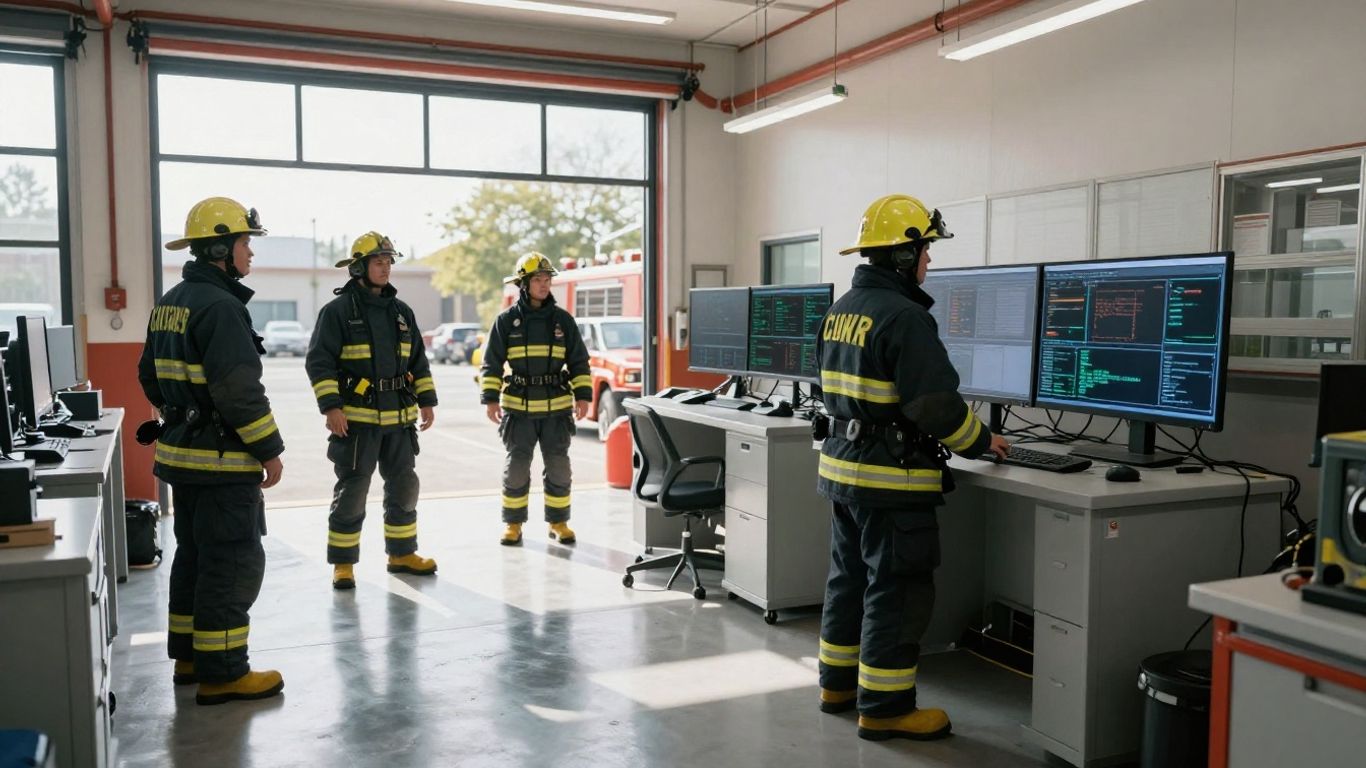
Making the switch to NERIS isn’t just about learning new forms; it’s about having the right tools to do the job. For fire departments, this means looking closely at the software you’re using. The good news is, many software providers are already on board and ready to help you meet these new requirements. It’s not as complicated as it might sound, especially if your current system is up to date.
NERIS V1 Compatibility Requirements
To make sure your reporting is on the right track, your software needs to be NERIS V1 compatible. This isn’t just a suggestion; it’s a technical standard that lets your system talk to the national NERIS database. Think of it like needing the right adapter to plug in a new device. This compatibility means your software can handle things like creating new incident reports, updating existing ones, and managing station information through the official NERIS channels. It’s all about making sure the data you send is in the correct format and gets where it needs to go without a hitch. You’ll want to check if your vendor has this certification, as it’s a key step in staying compliant. You can find more information on what this means for your department on the NERIS page.
Benefits of Integrated Reporting Platforms
Using a system that pulls information together from different places can really make life easier. Integrated platforms can automatically grab details from your Computer-Aided Dispatch (CAD) system, so you’re not typing the same information twice. This cuts down on mistakes and saves a lot of time. Plus, many systems now let your crews fill out reports right from their phones or tablets while they’re still at an incident. This means the data gets logged faster and more accurately. It’s about having all your reporting tools in one spot, working together smoothly.
Automated Data Validation and Submission
One of the biggest headaches with reporting is making sure everything is correct before you send it off. Modern software often has built-in checks that flag errors or missing information in real-time. This way, you catch mistakes before they become a problem for compliance. Once the data is validated, the system can often submit it directly to the NERIS repositories. This automation takes a lot of the manual work off your plate and reduces the chance of human error. It’s a big step towards making your reporting process more efficient and reliable.
Operational Advantages of NERIS Reporting
Moving to NERIS isn’t just about meeting a new deadline; it’s about fundamentally improving how your department operates day-to-day. Think of it as upgrading from an old flip phone to a smartphone – suddenly, you have access to a whole new world of capabilities that make things easier and smarter.
Enhanced Data Analytics for Decision-Making
One of the biggest game-changers with NERIS is the access to real-time data. Unlike the old NFIRS system, which often meant waiting months or even over a year for reports, NERIS gives you information as it happens. This means fire chiefs and leaders can make decisions based on what’s actually going on, not on outdated numbers. You can see trends in response times, where calls are coming from most often, and how resources are being used. This kind of insight is incredibly helpful for planning training, figuring out where to put new equipment, or even justifying budget requests to the city council. It’s like having a crystal ball for your department’s operations. The system provides near real-time data that helps understand the character of risk and response, which is a big step up from what was previously available.
Improved Interoperability and Data Sharing
NERIS is built with modern technology in mind, which means it plays much nicer with other systems. Your Computer-Aided Dispatch (CAD) system, your Records Management System (RMS), and other critical software can talk to each other more easily. This reduces the need for manual data entry, which saves time and cuts down on mistakes. When different agencies can share information smoothly, it makes responding to large-scale incidents or coordinating mutual aid a lot less complicated. Everyone’s on the same page, using the same kind of data, which is a huge win for efficiency and safety. This improved data sharing is a key part of the NERIS transition.
Streamlined Documentation and Reduced Workload
Let’s be honest, paperwork can be a drag. NERIS aims to make incident reporting less of a burden. With features like automated data population from CAD and built-in error checking, you spend less time filling out forms and more time doing the job you were trained for. Mobile access means reports can often be completed right from the field, cutting down on delays. Plus, the system can handle a wider range of incident types, not just fires, making your documentation more complete without adding a ton of extra work. This streamlined process helps reduce the administrative load on responders, letting them focus on their primary duties.
Preparing Your Department for NERIS
Getting ready for the switch to NERIS isn’t just about flipping a switch; it’s about making sure your whole operation is set up for success. Think of it like getting ready for a big event – you need to plan, organize, and make sure everyone knows their part. This transition from NFIRS to NERIS is a significant change, and taking the right steps now will save a lot of headaches down the road.
Assessing Current Reporting Workflows
Before you can move forward, you need to know where you stand. Take a good, hard look at how your department currently handles incident reporting. What’s working well? What’s clunky or slow? NERIS has different requirements and capabilities than NFIRS, so some of your old ways of doing things might not fit anymore. You’ll want to pinpoint any areas where your current processes might fall short when it comes to the new NERIS data standards. This assessment is the first step to figuring out what needs to change.
Designating NERIS Administrators
Someone needs to be in charge of this whole NERIS process for your department. It’s a good idea to pick one or two people to be your go-to NERIS administrators. These folks will be responsible for learning the ins and outs of the new system, helping others get trained, and making sure your department stays compliant. Unlike NFIRS, where some oversight might have come from outside, NERIS puts more of that responsibility directly on the department. Having dedicated internal people makes a big difference.
Verifying Software Vendor Compatibility
Your reporting software is a huge part of this. You absolutely need to confirm that your current Records Management System (RMS) vendor is ready for NERIS. This is probably the most important technical decision you’ll make during this whole change. Make sure your vendor has achieved NERIS V1 compatibility certification. Knowing their timeline for full NERIS functionality will help you plan your department’s own transition schedule and avoid any surprises. You can check with your current RMS vendor to get the latest on their compatibility status.
Strategic Benefits of Early NERIS Adoption
Strengthening Grant Applications
Getting ahead of the curve with NERIS reporting can really help when you’re trying to get grant money. Federal grants, like those from AFG, are increasingly looking at how well departments use data to make smart decisions and measure their work. NERIS gives you better tools to show this. Instead of just saying how many calls you ran, you can use NERIS data to show patterns in community risks, how fast you respond, and how effectively you use your resources. This kind of detailed information makes your grant applications stand out, especially when reviewers are looking at thousands of requests. It’s about showing proof that your projects are needed and will work.
Improving ISO Ratings and Community Trust
Your department’s Public Protection Classification (PPC) score, which is determined by the Insurance Services Office (ISO), can be positively impacted by using good incident reporting. When you can show solid data about your department’s performance and readiness, it can lead to a better ISO rating. This is good for the community because it can lower insurance costs for homeowners and businesses. Plus, being an early adopter of NERIS shows that your department is committed to being open and using the best practices. This can build more trust with the people you serve and make partnerships with other emergency services stronger.
Gaining a Competitive Operational Edge
Departments that switch to NERIS early often find they have a leg up operationally. The real-time data and better analytics mean you can make quicker, more informed decisions about things like where to put resources, what kind of training is most important, and how to plan for the future. This proactive approach, based on solid data, helps your department run more smoothly and efficiently. It’s not just about meeting a deadline; it’s about using new technology to do your job better and keep your community safer.
Navigating NERIS Implementation Challenges
Making the switch to NERIS isn’t always a walk in the park. Fire departments are running into a few bumps in the road as they get ready for this big change. It’s like trying to upgrade your whole kitchen while still cooking dinner every night – a lot to juggle.
Addressing Data Migration Concerns
One of the biggest headaches is moving all that old incident data. You’ve got years of records, and you need to make sure none of it gets lost or messed up in the move to the new system. It’s not just about copying files; it’s about making sure the data still makes sense in the new NERIS format. Think of it like trying to translate an old book into a new language – you want to keep the original meaning intact.
- Preserving Historical Records: Departments need a solid plan to archive or migrate existing data from NFIRS. This often involves specialized tools or services to ensure accuracy.
- Data Formatting: Old data might need to be reformatted to fit NERIS’s structure, which can be a time-consuming process.
- Validation: After migration, a thorough check is needed to confirm that all data points are correctly transferred and accessible.
Managing Staff Training and Adaptation
Then there’s the human element. Your team, whether they’re full-time staff or volunteers, needs to learn a whole new way of doing things. This means getting comfortable with new software interfaces and understanding different data requirements. It’s a learning curve, and some folks might find it tougher than others. Getting everyone up to speed without taking away from their primary duties is a real balancing act.
Overcoming Integration and System Upgrade Hurdles
Finally, there’s the technology itself. Not all existing software systems play nicely with NERIS right out of the box. Some departments might find their current records management system (RMS) isn’t quite ready for NERIS V1. This could mean needing to upgrade their software, which can be costly and disruptive, or even looking for a completely new system. Making sure your tech can talk to the new NERIS platform is key to avoiding major headaches down the line.
Support and Training for NERIS Compliance

Making the switch to NERIS is a big deal, and nobody expects you to figure it all out on your own. That’s where good support and training come in. It’s not just about learning new software; it’s about making sure your whole team feels comfortable and capable when the pressure is on.
Comprehensive Training Resources
Getting everyone up to speed on NERIS is key. We offer training that’s designed to be practical and easy to follow. Think of it like this:
- Online Modules: These are available whenever you have a spare moment. You can go through them at your own pace, covering everything from basic data entry to more advanced features. It’s a good way to get a solid grasp of the system without disrupting your daily duties.
- On-Site Sessions: Sometimes, you just need someone there with you. Our trainers can come to your department, work through your specific workflows, and answer questions on the spot. This hands-on approach helps iron out any kinks before they become real problems.
- Regular Updates: The system will change, and so will reporting rules. We keep our training materials fresh, so you’re always working with the latest information. This means your team stays proficient long after the initial rollout.
Dedicated Customer Support
When things go wrong, you need help fast. Our support team is here to tackle any issues that pop up. Whether it’s a technical glitch, a question about how a certain function works, or help fine-tuning your reporting process, they understand the urgency of emergency services. They’re not just there to fix problems; they also keep an eye on things, sending out updates and alerts so you’re aware of potential issues before they affect your operations. This proactive approach is vital for keeping everything running smoothly. If you’re looking for help with the transition, you can check out resources like this webinar on NERIS.
Staying Informed with Regular Updates
Things change quickly in emergency response. To keep your department on track, it’s important to stay current with NERIS developments and any new rules. We make it a point to share this information through newsletters and direct communications. This helps you understand how any changes might affect your reporting and daily tasks. By keeping our system updated to match these changes, we help reduce the paperwork burden on your staff and give you confidence that your agency is meeting all the necessary federal and state standards. It’s all about making sure you’re prepared for whatever comes next.
Need help with NERIS compliance? We offer great support and training to make sure you’re covered. Ready to learn more? Visit our website today!
Moving Forward with NERIS
So, that’s the rundown on NERIS. It’s a big change, no doubt about it, especially with the January 2026 deadline looming. Moving from the old NFIRS system means getting used to new ways of logging information, but honestly, it’s about time. The new system is built for today’s needs, making sure data is more accurate and easier to share. Departments that get ahead of this transition, maybe by looking at software that’s already set up for NERIS, will have a much smoother time. It’s not just about following rules; it’s about making sure our firefighters have the best information possible when they’re out there doing their jobs. Staying on top of these changes now will save a lot of headaches later and keep everyone safer.
Frequently Asked Questions
What is NERIS and why is it replacing NFIRS?
NERIS, which stands for the National Emergency Response Information System, is the new system fire departments will use to report incidents. It’s replacing the older NFIRS system because NERIS is more modern. It can handle different kinds of emergencies better, share information more easily between agencies, and provide quicker, more detailed information for making smart decisions about how to best protect communities.
When do fire departments have to start using NERIS?
All fire departments must completely switch to using NERIS for reporting by January 1, 2026. This means the old NFIRS system won’t be available for reporting after that date. States will be rolling out NERIS throughout 2025, so it’s important to know your department’s specific transition timeline.
What are the main differences between NFIRS and NERIS?
NERIS is a big upgrade from NFIRS. It’s designed to share information in real-time, work better with other emergency systems like dispatch, and collect more detailed data about incidents. Think of NFIRS as an older way of writing things down, while NERIS is like sending instant updates with more details that help everyone understand what’s happening right away.
How can software help my department become NERIS compliant?
Special software, like records management systems (RMS) designed for NERIS, can make compliance much easier. These programs can help automatically fill in report details, check for mistakes before you submit them, and send the reports directly to the NERIS system. This saves time, reduces errors, and ensures your department meets the new requirements.
What happens if my department doesn’t switch to NERIS by the deadline?
Not switching to NERIS by the deadline could cause serious problems. Your department might not be able to get important federal funding, like grants for equipment or staff. It could also mean your data isn’t shared correctly with other agencies, making emergency responses less effective. Plus, it shows your department isn’t keeping up with modern standards.
What are the benefits of adopting NERIS early?
Switching to NERIS ahead of the deadline offers several advantages. Your department will have more time to train staff and fix any issues, leading to more accurate reports. It also shows you’re proactive, which can help when applying for grants or improving your community’s safety ratings. Getting used to the new system early means smoother operations and better use of data for making important decisions.